Why Cafés Are Replacing Offices for Japan’s Freelancers: Remote Work Trend Explained
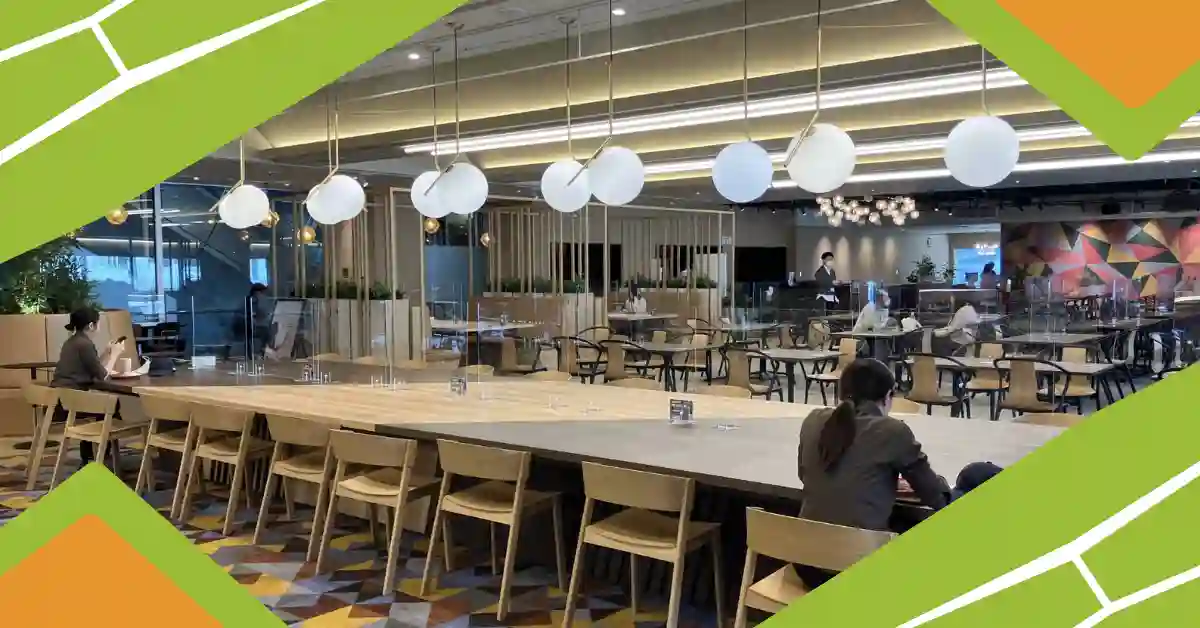
Cafés are replacing offices in Japan’s freelance economy faster than ever, reshaping how professionals work, meet clients, and build careers in a post-pandemic world. Across Tokyo, Osaka, Kyoto, and other urban hubs, coffee shops are no longer just casual hangouts; they are becoming semi-permanent workstations for a growing class of independent workers.
Japan’s shift toward flexible work has been gradual but deeply transformative. While traditional corporate culture has long emphasized in-office presence, the rise of freelancing, digital nomadism, and remote-friendly industries has created an alternative ecosystem. Cafés, with their accessibility and ambient productivity, are now filling the gap left by conventional offices.
This transformation is not just about convenience. It reflects broader changes in work identity, urban design, and lifestyle preferences among younger Japanese professionals. Freelancers in design, writing, programming, consulting, and marketing are increasingly choosing cafés as their default workplace, especially in metropolitan areas where office rents are high and coworking spaces are either expensive or limited in availability.
The Rise of Freelancing and Flexible Work Culture in Japan
Japan has historically been known for its rigid employment systems, where lifetime employment and hierarchical corporate structures dominated. However, the last decade has seen a steady erosion of that model, especially among younger generations.
Freelancing is no longer a niche choice. It is a growing segment of the workforce, driven by technology platforms, global outsourcing opportunities, and a cultural shift toward autonomy. Many professionals now prefer project-based work over long-term corporate contracts, valuing flexibility, creative freedom, and work-life balance.
Remote work acceleration during the global pandemic also played a significant role. Once companies became comfortable with distributed teams, many workers realized they could perform their jobs outside traditional office environments. Even as corporate offices reopened, a portion of workers did not return full-time, instead opting for hybrid or fully independent arrangements.
In this evolving landscape, cafés naturally emerged as accessible “third spaces” that sit between home and office. They provide structure without rigidity and social presence without corporate pressure.
Why Cafés Appeal to Japan’s Freelancers
The appeal of cafés as workspaces in Japan goes far beyond coffee and Wi-Fi. It is a combination of environmental, psychological, and practical factors that make them uniquely suited to freelance work.
One major reason is accessibility. Unlike coworking offices, cafés require no membership fees or long-term commitments. A freelancer can walk in, order a drink, and immediately begin working. This low barrier to entry makes them especially attractive for early-stage professionals or those managing irregular income streams.
Another factor is ambiance. Japanese cafés are often designed with attention to detail, soft lighting, clean interiors, and a quiet yet lively atmosphere. This balance helps many freelancers maintain focus while avoiding the isolation of working alone at home. Background noise, often referred to as “productive noise,” can actually enhance concentration for certain types of tasks like writing or coding.
There is also a subtle social motivation. Being surrounded by other people working or studying creates a sense of accountability. Freelancers who might otherwise procrastinate at home often find themselves more disciplined in a public setting.
Importantly, cafés also offer a psychological boundary between work and personal life. For many freelancers living in small apartments common in cities like Tokyo, home can feel cramped and distracting. Moving work to a café helps establish routine and separation, which is essential for long-term productivity.
Urban Density and the Evolution of Workspaces
Japan’s urban environment plays a crucial role in this trend. Cities are densely populated, and residential spaces are often compact. This makes working from home less appealing, especially for individuals who need space for laptops, multiple screens, or client meetings.
At the same time, cafés are abundant and strategically located near train stations, commercial districts, and residential neighborhoods. This accessibility reduces commute time and allows freelancers to move fluidly between different parts of the city.
Tokyo, in particular, illustrates this dynamic clearly. Neighborhoods like Shibuya, Shinjuku, and Shimokitazawa are filled with cafés that cater to students, creatives, and remote workers. Many establishments now quietly accommodate long-stay customers with stable Wi-Fi, power outlets, and seating designed for extended use.
Kyoto and Osaka show similar patterns, though with slightly different cultural flavors. In Kyoto, cafés often blend traditional aesthetics with modern functionality, attracting freelancers in creative industries. Osaka’s café culture tends to be more casual and social, appealing to workers who prefer a livelier environment.
This urban integration of cafés into daily work routines highlights how deeply they are embedded in Japan’s modern freelance ecosystem.
Productivity, Creativity, and the Café Environment
Beyond convenience, cafés also influence how people think and work. Many freelancers report that changing environments helps stimulate creativity and prevent mental stagnation. The sensory experience of a café sound, smell, and visual stimulation can spark new ideas and improve problem-solving.
Unlike office environments that often enforce rigid routines, cafés offer flexibility. Workers can choose where to sit, how long to stay, and when to take breaks. This autonomy aligns well with freelance work, which often requires self-management and adaptable schedules.
There is also a cognitive benefit to moderate background noise. Studies in behavioral psychology suggest that a certain level of ambient sound can enhance abstract thinking and creativity. Japanese cafés typically maintain this “sweet spot” of noise neither too silent nor too loud.
However, this environment is not without challenges. Peak hours can lead to overcrowding, limited seating, and occasional pressure from businesses to avoid overstay without purchase. Freelancers must balance productivity with courtesy, often rotating between different cafés throughout the day.
Economic and Cultural Impacts of Café Workspaces
The rise of freelancers using cafés as workspaces is also influencing local economies. Cafés benefit from consistent daytime traffic, especially during weekdays when traditional customer flow is lower. This creates a stable revenue stream that helps small businesses remain viable.
At the same time, café owners are adapting to this new reality. Some are redesigning interiors to accommodate longer stays, adding more power outlets, improving internet connectivity, and even introducing subscription-based seating models.
Culturally, this shift reflects Japan’s evolving relationship with work. The traditional image of the salaryman working long hours in a corporate office is gradually being replaced by a more fluid, individualized work style. Freelancers represent a growing acceptance of alternative career paths, especially among younger generations who prioritize flexibility over stability.
This cultural evolution is subtle but significant. It shows that work is no longer confined to designated office spaces. Instead, it is becoming integrated into everyday urban life.
The Future of Work: Will Cafés Remain the Default Office?
Looking ahead, the trend of cafés as workspaces is likely to continue, but it may evolve into a more structured ecosystem. Hybrid work models, improved digital infrastructure, and the expansion of coworking alternatives will influence how freelancers choose their environments.
Cafés may increasingly position themselves as hybrid spaces: part café, part workspace. Some may introduce tiered pricing for long-term seating, while others may specialize in niche audiences such as writers, designers, or tech workers.
At the same time, competition from coworking spaces could grow stronger as they offer more reliable infrastructure and professional amenities. However, cafés maintain a unique advantage: they are embedded in daily life, emotionally comforting, and widely accessible without commitment.
For many freelancers, this flexibility is irreplaceable.
Ultimately, the movement reflects a broader global shift toward decentralized work. Japan, with its blend of tradition and innovation, is simply expressing this change in its own distinctive way. And in that transformation, cafés have become more than places to drink coffee; they have become the new frontline of work itself.
In this evolving landscape, the phrase cafés Are replacing offices captures not just a trend, but a deeper redefinition of what it means to work in modern Japan.
Also Read: Choosing Your Business Office in Japan: Key Factors and Practical Tips