Inside Japanese School Life: Rules, Uniforms & Discipline Explained
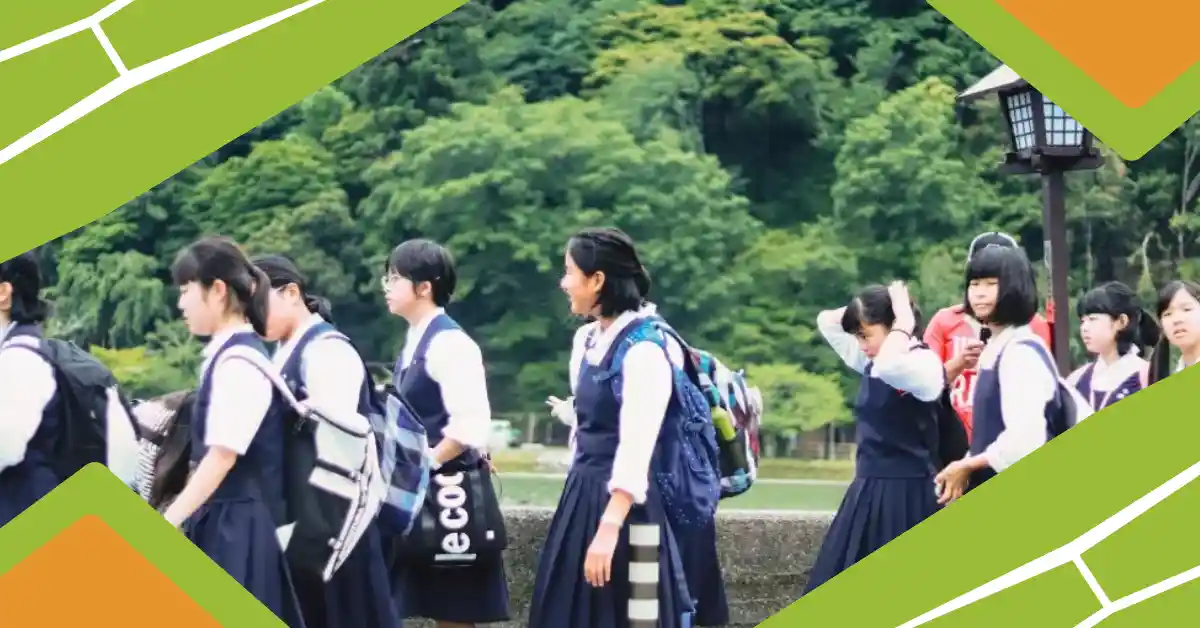
Japanese school life is widely recognized for its structured environment, strong discipline, and cultural traditions that shape students’ daily experiences. From strict punctuality rules to iconic school uniforms and deeply rooted group values, Japan’s education system offers a unique model that continues to fascinate people around the world. Understanding how schools operate in Japan provides insight into the country’s emphasis on respect, responsibility, and community-minded behavior.
Overview of the Japanese School System
Japan’s education system is divided into elementary school (6 years), junior high school (3 years), and high school (3 years). Compulsory education includes elementary and junior high school, meaning students typically spend nine years in mandatory schooling.
A defining feature of the system is its consistency nationwide. Whether in Tokyo or a rural prefecture, schools follow similar guidelines, curriculum structures, and behavioral expectations. This uniformity ensures that students across the country receive equal educational opportunities.
Academic performance is important, but equally emphasized is character development. Schools aim to cultivate discipline, teamwork, and social responsibility alongside academic achievement. This balance is a key reason why Japanese students are often viewed as highly organized and respectful.
The Importance of Rules in School Culture
Rules are a central pillar of the educational experience. Students are expected to follow clear behavioral guidelines that govern everything from classroom conduct to hallway movement. Punctuality is strictly enforced, and lateness is rarely tolerated without a valid reason.
One notable aspect is how students are taught to manage responsibilities independently. For example, they clean classrooms, hallways, and even school bathrooms as part of daily routines. This practice is designed to instill respect for shared spaces and foster humility.
Another key rule is silence and order during transitions. Students walk in organized lines, speak quietly in hallways, and maintain discipline even without constant teacher supervision. This reflects a broader cultural belief that individuals should act responsibly even when authority figures are not present.
In fact, within Japanese school life, rules are not viewed as restrictions but as tools for creating harmony and mutual respect among students.
School Uniforms: Tradition and Identity
School uniforms are one of the most recognizable aspects of Japan’s education system. Most junior high and high schools require students to wear standardized uniforms, typically inspired by military-style designs or Western formal wear.
For boys, uniforms usually consist of dark trousers and a buttoned jacket known as a “gakuran.” For girls, sailor-style uniforms or blazer-and-skirt combinations are common. Each school often has its own distinct design, color scheme, and insignia, creating a sense of identity and belonging.
Uniforms serve multiple purposes. First, they eliminate socioeconomic differences, ensuring that students appear equal regardless of family background. Second, they promote discipline and reduce distractions related to fashion competition. Third, they help foster school pride and unity.
Even outside school hours, students are often expected to wear their uniforms properly when commuting or attending school-related activities. This reinforces the idea that students represent their school in public spaces.
Discipline and Behavioral Expectations
Discipline is deeply embedded in the education system. Rather than relying on punishment, schools emphasize self-regulation and collective responsibility. Teachers play a guiding role, but students are encouraged to correct their own behavior and support peers in doing the same.
One important concept is group harmony, or “wa.” Students are taught to avoid disrupting others and to consider the impact of their actions on the class as a whole. This includes staying quiet during lessons, participating actively in group tasks, and avoiding behavior that draws negative attention.
School ceremonies, such as morning assemblies and graduation events, further reinforce discipline. Students are expected to stand in formation, bow respectfully, and follow precise instructions. These rituals build a sense of order and respect for tradition.
Even disciplinary actions are handled in a structured and calm manner. Instead of public reprimands, teachers often speak privately with students to correct behavior. The goal is not punishment but improvement and reflection.
Daily School Life and Routine
A typical school day in Japan begins early, with students arriving before classes start to participate in homeroom activities. Morning assemblies or class meetings are common, where teachers share announcements and students prepare for the day.
Classes are usually 45–50 minutes long, with short breaks in between. Students remain in the same classroom for most subjects, while teachers rotate between rooms. This system helps maintain classroom organization and reduces transition time.
Lunch is often eaten in classrooms. In many schools, students serve meals to their classmates, reinforcing cooperation and shared responsibility. After lunch, students clean their classrooms before resuming lessons.
After school, many students participate in club activities, which are a major part of school culture. These clubs range from sports like baseball and soccer to cultural activities like calligraphy, music, and tea ceremony.
Club Activities and Extracurricular Life
Clubs are not just optional activities; they are a vital component of student development. Participation teaches teamwork, perseverance, and leadership skills. Students often spend several hours after school practicing or preparing for competitions.
Sports clubs, in particular, are known for their intensity and commitment. Training sessions can be rigorous, and students often develop strong bonds with teammates and coaches. Cultural clubs, on the other hand, focus on creativity and tradition.
Through club participation, students learn discipline outside the classroom environment. This reinforces lessons learned during academic hours and helps shape well-rounded individuals.
In many cases, club experiences are remembered as some of the most meaningful parts of Japanese school life, leaving a lasting impact on students even after graduation.
Respect, Etiquette, and Teacher-Student Relationships
Respect is a foundational value in Japanese education. Students bow to teachers when entering and leaving classrooms, and formal language is used when addressing staff members. This reinforces a clear sense of hierarchy and mutual respect.
However, teacher-student relationships are also supportive and nurturing. Teachers often act as mentors, guiding students not only academically but also personally. They may help with emotional challenges, career guidance, and life advice.
Students, in turn, are expected to show appreciation and follow instructions carefully. This mutual respect creates a stable learning environment where discipline and care coexist.
Comparison with Western School Systems
Compared to many Western education systems, Japanese schools place a stronger emphasis on collective responsibility rather than individual expression. While creativity is still encouraged, it is often balanced with conformity and group harmony.
Another key difference is the level of student responsibility in daily operations. Tasks like cleaning and serving lunch are typically handled by staff in many Western schools, whereas Japanese students actively participate in these duties.
Additionally, strict dress codes and behavioral expectations are more common in Japan, reinforcing discipline from a young age.
Conclusion: A System Built on Harmony and Discipline
Japanese schools offer a unique educational experience shaped by structure, respect, and collective responsibility. From uniforms that symbolize unity to strict rules that maintain order, every aspect of the system is designed to promote discipline and social harmony.
At the heart of it all is a philosophy that values the group over the individual, teaching students to contribute positively to society. This approach not only builds academic competence but also nurtures character and life skills.
Ultimately, understanding Japanese school life reveals how deeply education is intertwined with cultural values, shaping students into disciplined, respectful, and community-minded individuals ready to contribute to society.