What Is Traditional Japanese Breakfast? Full Guide to Foods, Culture & Menu
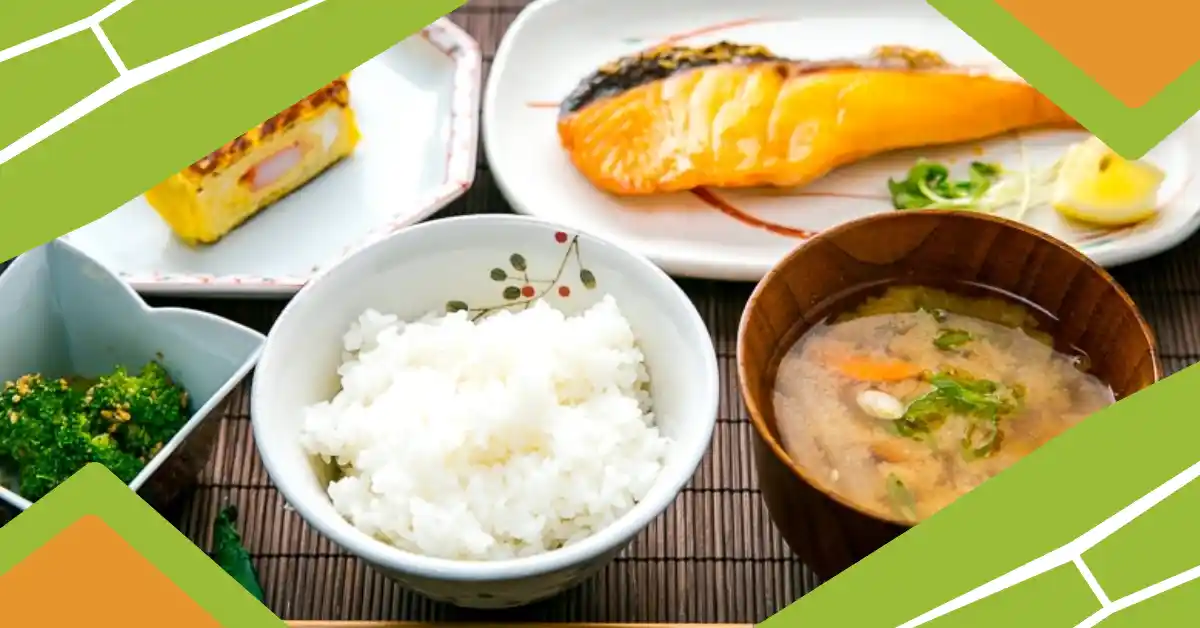
A traditional Japanese breakfast is a balanced morning meal rooted in simplicity, nutrition, and seasonal harmony that reflects Japan’s food culture.
Unlike many Western breakfasts that lean toward sweet or processed items, this morning meal focuses on rice, protein, vegetables, and fermented foods. It is designed not only to satisfy hunger but also to support long-term health and mindful eating habits. Understanding this breakfast style offers a deeper look into Japanese daily life and culinary philosophy.
The Cultural Meaning Behind a Japanese Breakfast
In Japan, breakfast is more than just the first meal of the day; it represents discipline, balance, and respect for food. Traditionally, households prepared breakfast using fresh, seasonal ingredients, often in small portions that emphasize variety over quantity.
The idea of “ichiju-sansai” (one soup, three dishes) plays a central role. This structure ensures nutritional balance and visual harmony on the table. A typical morning meal might include steamed rice, miso soup, grilled fish, pickled vegetables, and a protein-rich side like eggs or tofu.
This approach reflects the broader Japanese mindset toward food: eating slowly, appreciating ingredients, and maintaining balance in every meal.
Core Components of a Traditional Japanese Breakfast
A standard breakfast set is carefully composed to provide carbohydrates, protein, probiotics, and essential minerals.
1. Steamed White Rice (Gohan)
Rice is the foundation of the meal. It provides energy and acts as a neutral base that complements other flavors. Short-grain Japanese rice is sticky, slightly sweet, and perfect for pairing with savory dishes.
2. Miso Soup (Misoshiru)
Made from fermented soybean paste, miso soup is a staple in Japanese households. It often includes tofu, seaweed, green onions, or seasonal vegetables. Rich in probiotics, it supports gut health and digestion.
3. Grilled Fish (Yakizakana)
Fish such as salmon, mackerel, or horse mackerel is commonly grilled with minimal seasoning, usually just salt. It provides high-quality protein and omega-3 fatty acids, making it a nutritious breakfast centerpiece.
4. Pickled Vegetables (Tsukemono)
Pickles add crunch, saltiness, and acidity to balance the meal. They also aid digestion and enhance flavor contrast.
5. Egg or Soy-Based Proteins
Tamagoyaki (sweet rolled omelet) or tofu dishes are often included for additional protein. These elements make the meal more filling and balanced.
Why This Breakfast Is Considered Healthy
One of the reasons the traditional Japanese breakfast is admired worldwide is its nutritional balance. Each component serves a purpose:
- Carbohydrates from rice provide energy
- Protein from fish, eggs, or tofu supports muscle health
- Probiotics from miso and pickles improve digestion
- Vitamins and minerals from vegetables boost immunity
This combination creates a low-fat, nutrient-dense meal that supports long-term wellness and steady energy levels throughout the morning.
The Role of Fermented Foods in Japanese Breakfast Culture
Fermentation is a cornerstone of Japanese cuisine. Foods like miso, soy sauce, and pickles are not only flavorful but also beneficial for gut health.
Miso, in particular, is made by fermenting soybeans with salt and koji mold. This process enhances umami flavor and creates beneficial bacteria that support digestion. Similarly, pickled vegetables provide probiotics and help preserve seasonal produce.
These fermented elements are essential to what makes a traditional Japanese breakfast unique compared to other global breakfast styles.
Regional Variations Across Japan
While the basic structure remains consistent, breakfast styles vary across regions:
Coastal Regions
In coastal areas, fresh seafood such as sashimi or dried fish is more common due to easy access to the ocean.
Rural Areas
In countryside regions, breakfast may include more vegetables, homemade pickles, and locally grown rice.
Modern Urban Homes
In cities like Tokyo and Osaka, many families have simplified breakfast routines due to busy lifestyles. Toast, coffee, or cereal has become more common, though traditional meals are still enjoyed on weekends or special occasions.
Traditional Japanese Breakfast in Ryokan and Hotels
One of the best ways to experience this culinary tradition is by staying at a ryokan (traditional Japanese inn). These inns often serve elaborate breakfast sets in guest rooms or dining halls.
A typical ryokan breakfast includes beautifully arranged dishes served on lacquer trays. Presentation is highly important, with attention given to color balance, seasonal ingredients, and tableware aesthetics.
This experience highlights not just food, but Japanese hospitality (omotenashi), where every detail is designed to enhance guest comfort and appreciation.
How to Prepare a Simple Japanese Breakfast at Home
Recreating this meal at home is easier than it seems. Here’s a simplified approach:
- Cook short-grain rice using a rice cooker
- Prepare miso soup with tofu, seaweed, and green onions
- Grill salmon or another fish with a pinch of salt
- Serve store-bought or homemade pickles
- Add a boiled egg or tamagoyaki for extra protein
Even with simple ingredients, you can replicate the balance and flavor of a traditional setup.
Dining Etiquette and Eating Style
Eating habits are just as important as the food itself. In Japan, breakfast is typically eaten calmly and without distraction. Meals are served in small bowls, and chopsticks are used with care.
Common etiquette includes:
- Saying “Itadakimasu” before eating (expressing gratitude)
- Avoiding waste of food
- Eating each dish in small portions rather than finishing one item at a time
This mindful approach reinforces respect for ingredients and the effort behind preparation.
Modern Adaptations and Global Influence
Today, the traditional Japanese breakfast has influenced health-conscious diets around the world. Many people appreciate its low sugar content, high protein balance, and emphasis on whole foods.
Modern versions may include avocado, salad, or Western-style eggs, but still maintain the core idea of balance and variety. Even in Japan, younger generations sometimes blend Western and traditional elements for convenience.
Despite these changes, the essence remains the same: nourishment through simplicity and harmony.
Conclusion: Why This Breakfast Tradition Still Matters
The traditional Japanese breakfast is more than just a meal, it is a reflection of cultural values, health awareness, and culinary artistry. Its emphasis on balance, seasonal ingredients, and mindful eating continues to inspire people globally.
By understanding its components and philosophy, we gain insight into how food can support both physical well-being and a deeper appreciation of daily life.
Whether enjoyed in a rural home, a modern apartment, or a traditional inn, this breakfast style remains a timeless example of thoughtful eating that connects tradition with nourishment.
Also Read: Izakaya Dining Experience in Japan: Food, Drinks, Atmosphere, and Cultural Traditions