Kabuki and Noh Theater: Traditional Japanese Performance Arts Still Alive Today
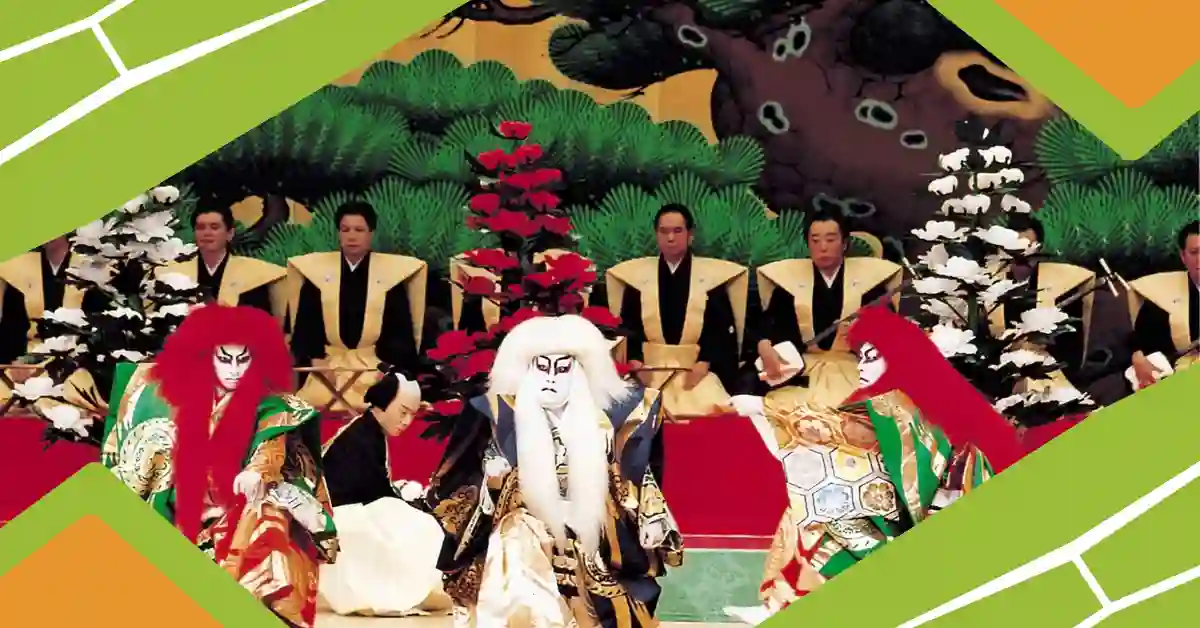
Kabuki and Noh theater represent two of Japan’s most iconic classical performance traditions, continuing to captivate audiences with their rich history, stylized expression, and cultural depth.
Introduction to Japan’s Classical Stage Arts
Kabuki and Noh theater are among the oldest surviving theatrical traditions in the world, dating back to the 14th and 17th centuries respectively. While they differ greatly in style, pacing, and audience engagement, both forms reflect Japan’s deep artistic heritage and philosophical outlook on performance. These traditional arts are not merely historical artifacts; they are living, evolving practices still performed in modern theaters across Japan and internationally.
Kabuki is known for its dynamic acting, elaborate costumes, and dramatic storytelling, while Noh is recognized for its minimalism, slow movement, and spiritual themes. Together, they form a cultural duality that showcases the breadth of Japanese theatrical expression.
Historical Roots and Cultural Development
Kabuki and Noh theater emerged during distinct periods in Japanese history, shaped by social, political, and cultural influences.
The history of Kabuki and Noh theater begins in the feudal era of Japan. Noh originated in the 14th century during the Muromachi period and was heavily influenced by Zen Buddhism and aristocratic culture. It was developed by Kan’ami and his son Zeami, who refined its symbolic gestures, masked performances, and musical accompaniment into a highly structured art form. Noh was historically performed for the samurai class, emphasizing themes of spirituality, fate, and the supernatural.
Kabuki, on the other hand, emerged in the early Edo period in the 17th century, founded by Izumo no Okuni. Unlike Noh’s elite associations, Kabuki was a popular form of entertainment for commoners in urban Japan. It evolved into a vibrant, exaggerated theatrical style featuring elaborate makeup (kumadori), dramatic poses (mie), and energetic storytelling. Over time, Kabuki became highly regulated by the government, yet it continued to flourish as a public art form.
Together, these traditions illustrate how Japanese theater developed across different social classes while maintaining artistic sophistication.
Kabuki Theater: Drama, Color, and Expression
Kabuki is one of Japan’s most visually striking performance arts. It is characterized by its bold makeup, stylized movements, and elaborate stage mechanics, including rotating platforms and trapdoors that enhance dramatic effects.
Actors in Kabuki are traditionally male, even in female roles, known as “onnagata.” This tradition adds a unique layer of artistry, as performers undergo extensive training to portray nuanced feminine movements and expressions.
Music also plays a crucial role in Kabuki performances, with instruments like the shamisen providing rhythmic accompaniment. The stories often revolve around historical events, moral conflicts, love, and betrayal, making Kabuki both entertaining and emotionally engaging for audiences.
Noh Theater: Subtlety, Symbolism, and Spiritual Depth
Noh is a deeply contemplative art form that emphasizes minimalism and symbolic storytelling. Performances are slow, deliberate, and highly ritualized, often exploring themes such as dreams, spirits, and human suffering.
The use of masks is central to Noh theater. Each mask represents a specific character type, such as ghosts, women, or demons, and allows actors to convey emotion through slight changes in angle and movement rather than facial expression. The stage is typically simple and uncluttered, allowing the audience to focus on the performance’s emotional and spiritual resonance.
Accompanied by a small ensemble of musicians and a chorus, Noh plays often create an atmosphere of meditative stillness. The art form is not designed for fast-paced entertainment but rather for reflection and aesthetic appreciation.
Key Differences Between Kabuki and Noh Theater
Although both are classical Japanese performance arts, Kabuki and Noh theater differ significantly in style, audience experience, and thematic expression.
Kabuki is dynamic, colorful, and accessible, designed to entertain and excite a broad audience. It uses elaborate staging, dramatic gestures, and expressive acting. In contrast, Noh is restrained, symbolic, and introspective, appealing to audiences who appreciate subtlety and tradition.
Another major difference lies in pacing. Kabuki performances are energetic and often lengthy, filled with action and dialogue, while Noh is slow and minimalist, emphasizing silence and movement precision. Despite these differences, both forms share a deep respect for tradition and artistic discipline.
Modern Relevance and Global Influence
Kabuki and Noh theater continue to play an important role in contemporary Japanese culture. Despite being centuries old, both art forms are actively performed in modern theaters such as Tokyo’s Kabuki-za and various Noh stages across Japan.
Kabuki and Noh theater in the modern era have also gained international recognition. Touring performances and cultural festivals have introduced global audiences to these unique art forms. UNESCO has recognized Noh as an Intangible Cultural Heritage, further emphasizing its cultural significance.
Modern adaptations have also emerged, blending traditional elements with contemporary themes and technology. Some productions incorporate modern lighting, subtitles, and innovative staging techniques to make performances more accessible to younger audiences.
Educational institutions and cultural organizations in Japan actively preserve these traditions by training new generations of actors, musicians, and stage technicians.
Cultural Tourism and Preservation Efforts
Japan’s traditional theater arts are a major attraction for cultural tourism. Visitors from around the world travel to experience live performances and gain insight into Japan’s artistic heritage.
Workshops, museum exhibitions, and guided theater tours allow tourists to learn about the history and techniques behind these performance styles. Efforts to preserve authenticity are strong, with government support and private foundations funding training programs and performance preservation initiatives.
These efforts ensure that both Kabuki and Noh continue to thrive in a rapidly modernizing world. The balance between preservation and innovation is key to maintaining their relevance for future generations.
The Continuing Legacy of Japanese Theater
Kabuki and Noh theater remain powerful symbols of Japan’s cultural identity. Their continued performance demonstrates how tradition can survive and evolve without losing its essence.
Kabuki and Noh theater together represent two contrasting yet complementary visions of performance art, one vibrant and theatrical, the other subtle and spiritual. This duality enriches Japan’s cultural landscape and offers audiences a diverse range of artistic experiences.
Conclusion
Kabuki and Noh theater continue to stand as living traditions that bridge Japan’s historical past with its modern present. Their enduring appeal lies in their ability to preserve centuries-old storytelling techniques while still engaging contemporary audiences.
Kabuki and Noh theater will likely continue to inspire artists, scholars, and audiences around the world, ensuring that these remarkable performance arts remain an essential part of global cultural heritage for generations to come.
Also Read: Japanese Cinema Guide: J-Horror, Samurai Films, and Cultural Film Legacy