Health and Longevity: Why Japan Has One of the Highest Life Expectancies in the World
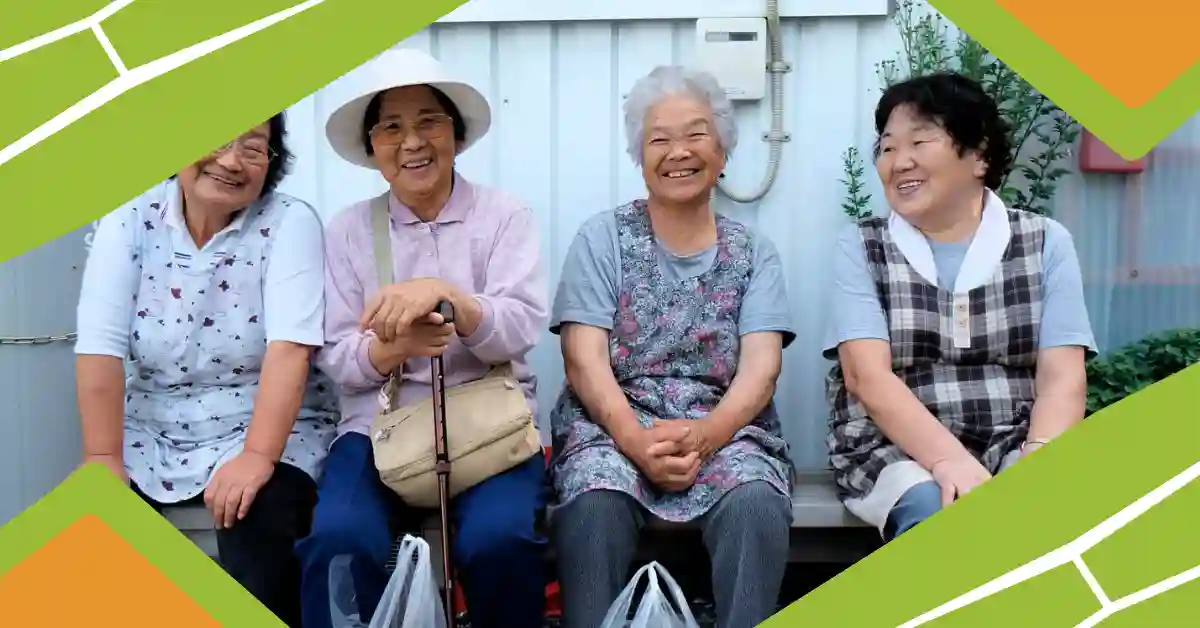
Longevity has become a defining subject in modern health research, especially as populations age across the globe. One of the most consistently cited examples of exceptional life expectancy is Japan, a nation where people regularly live into their late 80s and beyond while maintaining relatively good health. The concept of Longevity in Japan is not accidental or purely genetic; it is the result of a deeply rooted cultural, dietary, environmental, and healthcare system synergy that has developed over decades.
What makes Japan particularly interesting is not only how long people live, but how well they age. Many older adults remain active, socially engaged, and mentally sharp far later in life compared to global averages. Understanding this phenomenon requires looking at multiple interconnected factors rather than a single cause. From traditional dietary patterns to preventive healthcare systems and strong community structures, Japan offers a living model of how lifestyle can influence aging outcomes at a national scale.
Traditional Diet and Nutritional Balance as the Foundation of Longevity
One of the most influential contributors to longevity in Japan is its traditional diet, often referred to as “washoku.” This dietary pattern emphasizes simplicity, seasonality, and balance rather than excess. Meals are typically composed of rice, fish, vegetables, fermented foods, and modest portions of meat. Unlike many Western diets high in processed foods and added sugars, the Japanese diet prioritizes natural ingredients and nutrient density.
A key feature is portion control. Japanese meals are traditionally served in smaller dishes, encouraging mindful eating and reducing overall calorie intake without sacrificing nutrition. This naturally aligns with metabolic health and supports weight management across the lifespan. Another important element is the high consumption of fish, which provides omega-3 fatty acids known to support heart and brain health.
Fermented foods such as miso, natto, and pickled vegetables also play a crucial role. These foods support gut health, which is increasingly linked to immune function and overall aging processes. Green tea, another dietary staple, provides antioxidants that help reduce inflammation and oxidative stress, both of which are associated with aging.
Longevity in this context is reinforced by moderation. Rather than extreme dietary restrictions or fad eating patterns, the Japanese approach focuses on long-term sustainability. Meals are not only nourishment but also a cultural practice that encourages appreciation, patience, and balance. Over time, these habits contribute significantly to reduced rates of obesity, cardiovascular disease, and metabolic disorders.
In addition, food diversity plays a subtle but powerful role. Seasonal eating ensures a wide range of nutrients throughout the year, while traditional cooking methods preserve nutrient quality. This dietary philosophy demonstrates how consistent, moderate choices can have compounding effects on longevity over decades.
Active Living, Social Connection, and Daily Routine
Beyond diet, lifestyle habits in Japan play a central role in shaping Longevity outcomes. Physical activity is integrated into everyday life rather than being treated as a separate task. Many people walk or cycle regularly, and public transportation systems encourage movement as part of daily routines. This consistent, low-impact physical activity contributes to cardiovascular health and mobility in older age.
Social structure is another critical factor. Japanese society places strong emphasis on community belonging, family ties, and respect for elders. These social bonds reduce isolation, which is increasingly recognized as a major risk factor for poor health outcomes in aging populations. Elderly individuals often remain socially active through community centers, hobbies, and intergenerational relationships.
A notable cultural concept that supports Longevity is “ikigai,” which loosely translates to “reason for being.” This idea encourages individuals to find purpose in daily life, whether through work, family, hobbies, or community contribution. Having a sense of purpose has been linked in numerous studies to improved mental health and longer life expectancy.
Work culture also influences lifestyle patterns. While Japan is known for its demanding professional environment, there is also a strong emphasis on discipline, structure, and routine. Many older adults maintain part-time work or volunteer activities, keeping both mind and body engaged well into later life. This ongoing engagement helps preserve cognitive function and emotional well-being.
Another important aspect is preventive health behavior. Regular checkups and early medical intervention are common, allowing health issues to be detected and managed before they become severe. This proactive approach reduces the likelihood of chronic conditions progressing unnoticed.
Longevity is further supported by low levels of obesity compared to many developed nations. Combined with consistent movement and structured routines, this creates a lifestyle environment that naturally promotes long-term health stability.
Healthcare System, Environment, and Scientific Understanding of Aging
Healthcare access and quality in Japan are major contributors to its impressive life expectancy statistics. The national healthcare system is designed to provide universal coverage, ensuring that nearly all citizens have access to medical services regardless of income. This reduces disparities in treatment and supports early detection of diseases.
Preventive medicine is a cornerstone of the system. Regular health screenings are widely encouraged in workplaces, schools, and communities. These screenings often include blood pressure monitoring, cholesterol checks, and cancer screenings, enabling early intervention that significantly improves long-term outcomes.
Environmental factors also contribute to longevity. Japan has relatively high standards of sanitation, clean drinking water, and public hygiene practices. Urban planning supports walkability, and green spaces are integrated into many cities, offering opportunities for relaxation and physical activity.
Air quality in many regions is carefully managed, reducing exposure to pollutants that are known to accelerate aging and respiratory conditions. While urban density is high, infrastructure is designed to minimize environmental health risks.
Scientific research into aging is also highly active in Japan. Universities and medical institutions continue to study cellular aging, nutrition, and disease prevention, contributing to global understanding of how longevity can be extended. This research culture reinforces evidence-based health practices across the population.
Psychological well-being is another important layer. Lower stress lifestyles in older age, combined with strong social safety nets, help reduce chronic stress exposure. Chronic stress is known to accelerate biological aging processes, so its reduction plays a meaningful role in overall health outcomes.
Longevity in this context is not simply about extending life span but improving health span, the number of years lived in good health. Japan’s system focuses on maintaining independence and quality of life for as long as possible, which distinguishes it from models that prioritize lifespan alone.
Conclusion: A Holistic Model for Healthy Aging
The remarkable longevity observed in Japan is the result of a deeply integrated system where diet, lifestyle, healthcare, and culture work together. It is not a single secret but a combination of consistent, long-term habits that reinforce one another over time.
From nutrient-rich traditional meals to active daily routines and strong social networks, every layer contributes to healthier aging. Healthcare systems further support this foundation by emphasizing prevention and accessibility, while environmental and cultural factors reduce stress and encourage balance.
Ultimately, Longevity in Japan demonstrates that living longer is closely tied to living well. The focus is not merely on extending years but on preserving dignity, independence, and vitality throughout life. As global populations continue to age, the Japanese model offers valuable insights into how societies might structure themselves to support healthier, more sustainable aging for future generations.
Also Read: Diet & Lifestyle Secrets Japanese Women Follow for Health, Beauty & Longevity