The Concept of Wa: How Japan Maintains Harmony in Society and Life
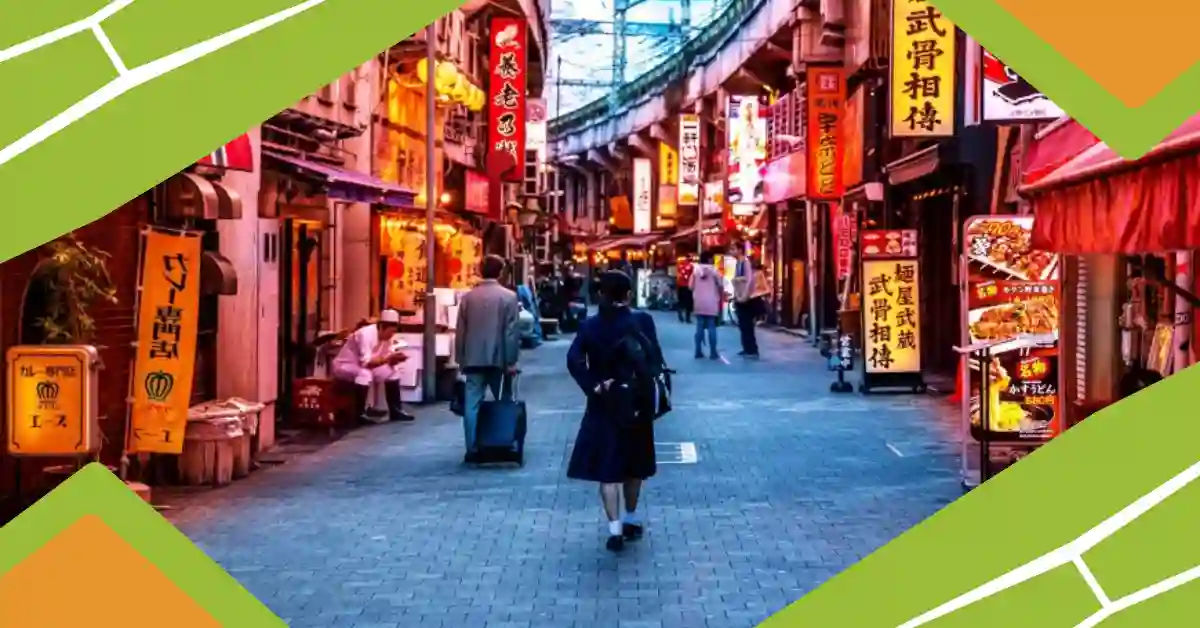
The philosophy behind harmony in Japanese society can be traced back centuries, where the idea of collective well-being has always been valued over individual assertion. The concept of Wa represents this cultural foundation, where maintaining peaceful relationships and social balance is seen as essential for a functioning society.
Unlike many Western frameworks that often prioritize individuality and direct expression, Wa encourages subtle communication, mutual respect, and group cohesion. This does not mean suppressing individuality, but rather aligning personal behavior in ways that support harmony within the larger group.
Historical Origins of Wa
The origins of Wa can be traced to ancient Japan, particularly during the Asuka period when Prince Shōtoku famously emphasized harmony in governance. His Seventeen-Article Constitution highlighted Wa as a guiding principle for political and social conduct.
At that time, Japan was influenced by Chinese Confucianism and Buddhism, both of which reinforced ideas of social order, respect for hierarchy, and moral behavior. However, Japan adapted these influences into its own cultural identity, forming a uniquely Japanese interpretation centered around cooperation rather than strict obedience.
Over time, this cultural orientation became deeply embedded in Japanese institutions, from family structures to governance and business practices.
Wa in Everyday Social Behavior
In daily life, the influence of Wa is visible in how people communicate and behave in groups. Japanese society often values indirect communication to avoid confrontation and preserve relationships. People tend to read between the lines rather than rely on explicit statements.
For example, silence in conversation is not necessarily awkward in Japan; instead, it can signal respect, thoughtfulness, or agreement. Similarly, politeness expressions and honorific language are essential tools used to maintain social balance.
The concept of Wa also plays a role in public behavior. In trains, streets, and shared spaces, individuals are expected to act in ways that do not disturb others. This includes keeping noise levels low, forming orderly queues, and respecting personal space.
Wa in the Workplace and Business Culture
Japanese workplaces are strongly influenced by Wa, particularly in decision-making processes and team dynamics. Rather than relying on individual authority or rapid decisions, companies often adopt a consensus-based approach known as nemawashi, where ideas are discussed informally before formal approval.
This ensures that everyone feels included and reduces the risk of conflict or resistance later on. Although this process may take longer than in more individualistic cultures, it often leads to stable and widely supported outcomes.
Hierarchy is also respected in Japanese organizations, but it is balanced with a sense of group responsibility. Employees are encouraged to prioritize team success over personal recognition, reflecting the deeper values behind Wa.
Wa in Education and Social Development
Education in Japan also reinforces harmony from an early age. Students are taught not only academic subjects but also how to function within a group. Classroom activities often emphasize teamwork, cleaning duties, and collective responsibility.
Rather than encouraging competition alone, schools promote cooperation and mutual support. This helps children internalize the idea that their actions affect others, reinforcing the concept of Wa as a lifelong behavioral principle.
Even extracurricular activities such as sports clubs and cultural groups operate on collective discipline, where unity and effort are valued as much as individual skill.
Wa and Conflict Avoidance
One of the most important aspects of Wa is conflict avoidance. In Japanese society, direct confrontation is often seen as disruptive to harmony. Instead of openly disagreeing, individuals may use subtle cues, indirect language, or mediation to resolve issues.
This approach does not eliminate conflict but manages it in a way that minimizes social disruption. The goal is not to suppress differences but to handle them with care and respect.
In business negotiations or personal relationships, this often means prioritizing long-term harmony over short-term gains. While this may sometimes appear overly cautious to outsiders, it reflects a deeply rooted cultural preference for stability.
Wa in Modern Japanese Society
In contemporary Japan, Wa continues to play a significant role, although globalization and digital communication have introduced new challenges. Younger generations are increasingly exposed to diverse communication styles and more direct forms of expression.
However, even with these changes, the underlying importance of harmony remains strong. Social media etiquette, workplace expectations, and community behavior still reflect traditional values of consideration and restraint.
Modern Japanese society often blends traditional Wa principles with global influences, creating a dynamic balance between tradition and innovation.
Challenges of Maintaining Wa Today
Despite its strengths, the emphasis on harmony can sometimes lead to challenges. For instance, avoiding direct communication may result in misunderstandings or delayed problem-solving. In some cases, individuals may feel pressured to conform rather than express personal opinions openly.
Additionally, in high-pressure environments such as corporate culture, maintaining harmony can sometimes contribute to stress, as individuals may suppress disagreement to avoid disrupting group cohesion.
These challenges highlight the complexity of the concept of Wa in a modern context. While it fosters unity, it also requires careful balance to ensure that individual voices are not lost.
The Global Relevance of Wa
Interestingly, Wa offers valuable lessons for societies around the world. In increasingly interconnected environments, the ability to cooperate, listen, and maintain respectful relationships is becoming more important than ever.
Organizations and communities outside Japan often study Japanese practices to improve teamwork, customer service, and conflict resolution. The emphasis on harmony can help reduce workplace friction and improve long-term collaboration.
By understanding Wa, global societies can gain insight into alternative ways of managing relationships that prioritize collective well-being.
Conclusion: The Enduring Power of Wa
The concept of Wa remains a cornerstone of Japanese identity, influencing everything from personal behavior to national institutions. Its emphasis on harmony, respect, and cooperation has helped shape a society known for order, politeness, and collective strength.
While modern challenges continue to test its application, Wa remains deeply relevant in both traditional and contemporary contexts. It serves as a reminder that harmony is not simply the absence of conflict, but the active practice of understanding, empathy, and balance in everyday life.