Akihabara Otaku Culture: Anime, Gaming & Pop Culture Hub of Tokyo Explained
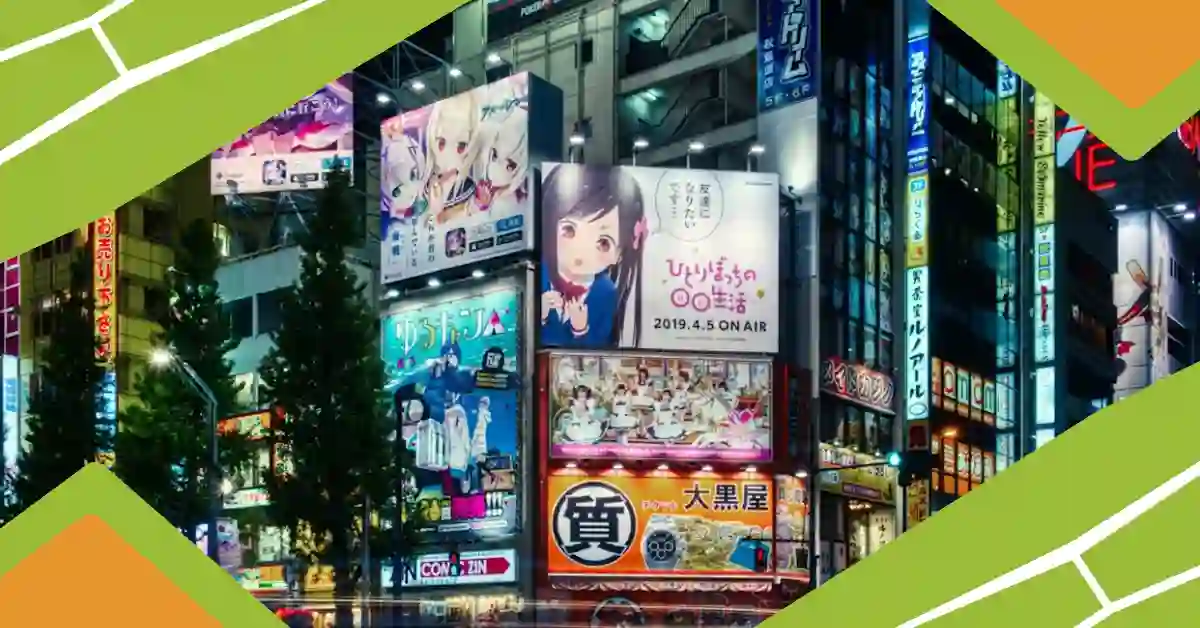
Akihabara Otaku culture is one of the most influential pop culture movements in Japan, transforming Tokyo’s Akihabara district into a global hotspot for anime, gaming, and fandom experiences. Known as “Electric Town,” Akihabara has evolved from an electronics market into a vibrant cultural ecosystem where enthusiasts gather to celebrate creativity, technology, and Japanese subculture.
Today, Akihabara is not just a place, it is an experience. From towering anime billboards to themed cafés and multi-floor gaming arcades, the district represents the beating heart of modern Japanese pop culture. For tourists, creators, and fans alike, it offers a deep dive into a world where fiction and reality often blend seamlessly.
The Evolution of Akihabara: From Electronics Hub to Otaku Capital
To understand the rise of Akihabara, it’s important to trace its transformation. In the post-war era, Akihabara became famous as a marketplace for electronic goods. Affordable radios, televisions, and computer parts attracted engineers, hobbyists, and tech enthusiasts from all over Japan.
However, by the late 1980s and early 1990s, the area began to shift. As consumer electronics became more mainstream, small niche stores started catering to emerging subcultures, particularly manga and anime fans. This marked the early foundation of what would later define Akihabara Otaku culture.
During this transition, specialty shops selling anime merchandise, collectible figures, and doujinshi (self-published manga) began to appear. Gaming also played a huge role, with retro arcade centers and console stores drawing crowds of passionate players. Over time, Akihabara became less about electronics hardware and more about immersive entertainment experiences.
Today, walking through Akihabara feels like stepping into a living digital dreamscape. Neon lights, anime characters, and themed storefronts dominate the landscape, creating an atmosphere that celebrates creativity and fandom in every direction.
Anime and Manga Paradise: The Core of Akihabara Experience
Anime and manga are the foundation of Akihabara’s identity. Visitors can find multi-story stores dedicated entirely to anime merchandise, rare collectibles, and limited-edition releases. These spaces are carefully curated to cater to fans of every genre from action-packed shonen series to emotional slice-of-life stories.
One of the defining features of Akihabara Otaku culture is the accessibility of niche content. Unlike mainstream retail environments, Akihabara allows fans to explore deeply specialized interests. Whether it’s vintage manga, figurines of obscure characters, or exclusive Blu-ray releases, the district offers something for every level of fandom.
Another key attraction is the presence of themed cafés. Maid cafés, in particular, are iconic in Akihabara. Staff dressed in elaborate costumes interact with guests in playful and immersive ways, often incorporating storytelling elements into the dining experience. These cafés are not just restaurants, they are performance spaces that blur the line between entertainment and hospitality.
In addition to cafés, anime exhibitions and pop-up events are frequently hosted in the area. Studios and brands often use Akihabara as a testing ground for new releases, making it a dynamic and ever-changing environment for fans.
Gaming Culture: Arcades, Esports, and Retro Revival
Gaming is another pillar of Akihabara Otaku culture, and the district is widely regarded as one of the best places in the world for arcade gaming. Multi-level arcades offer everything from classic fighting games to modern rhythm-based experiences. These arcades are social hubs where players compete, collaborate, and share their passion.
Retro gaming also thrives in Akihabara. Shops specializing in older consoles such as the Super Famicom, Sega Saturn, and PlayStation 1 attract collectors from around the globe. This nostalgia-driven market keeps gaming history alive and accessible.
In recent years, esports has further expanded the gaming scene. Dedicated gaming centers and event spaces now host tournaments, livestream events, and competitive gaming showcases. This evolution reflects how Akihabara continues to adapt to global gaming trends while maintaining its cultural identity.
The gaming ecosystem in Akihabara is not limited to entertainment alone. It also influences design, storytelling, and even fashion trends within the broader otaku community.
The Social Side of Akihabara: Community and Fandom Identity
Beyond shopping and entertainment, Akihabara functions as a social space where fans connect through shared interests. Communities form around specific anime series, game franchises, and even voice actors. This sense of belonging is a key reason why Akihabara Otaku culture has become so globally influential.
Events such as cosplay gatherings are common, where fans dress as their favorite characters and gather for photography and interaction. These events turn the streets of Akihabara into a living stage of creativity and expression.
Cosplay shops and rental studios also contribute to this ecosystem, allowing visitors to fully immerse themselves in character experiences. For many international tourists, participating in cosplay in Akihabara becomes a highlight of their Japan journey.
Additionally, the district fosters a unique respect for niche interests. What might be considered unusual elsewhere is celebrated here. This openness encourages creativity and supports the growth of independent artists, illustrators, and content creators.
Technology Meets Pop Culture: A Unique Blend
One of the most fascinating aspects of Akihabara is how seamlessly technology and pop culture intersect. High-tech gadget stores exist alongside anime boutiques, reflecting the district’s dual identity.
Modern digital displays, interactive installations, and augmented reality experiences are increasingly common. These innovations enhance the storytelling elements of anime and gaming, making Akihabara a pioneer in experiential entertainment.
Even vending machines in the area often feature anime branding or interactive screens, reinforcing the immersive environment. This fusion of old and new is a defining characteristic of Akihabara Otaku culture.
Why Akihabara Remains a Global Cultural Icon
Akihabara’s influence extends far beyond Japan. It has inspired similar districts and pop culture hubs around the world. Fans travel internationally just to experience its unique atmosphere firsthand.
The district’s ability to continuously evolve while staying true to its roots is what keeps it relevant. From electronics to anime to gaming, Akihabara has consistently adapted to cultural shifts without losing its identity.
For creators, it serves as a source of inspiration. For fans, it is a place of belonging. And for the global audience, it represents the pinnacle of Japanese pop culture expression.
Even as digital entertainment grows globally, Akihabara remains a physical space where fandom is tangible, social, and deeply immersive.
Conclusion: The Living Spirit of Otaku Culture
Akihabara is more than a tourist destination, it is a cultural phenomenon. Through its blend of anime, gaming, technology, and community, it embodies the essence of modern Japanese pop culture.
The continued growth of Akihabara Otaku culture demonstrates how fandom can shape entire districts, economies, and global trends. Whether you are a casual visitor or a lifelong enthusiast, Akihabara offers an experience that is both nostalgic and futuristic.
In a world increasingly dominated by digital spaces, Akihabara stands as a reminder that physical places can still be powerful centers of imagination, creativity, and shared passion.
Also Read: J-Pop and Music Industry: Evolution, Trends, and Global Impact of Japanese Pop Music