Visiting Onsens with Tattoos: Rules, Etiquette & What You Need to Know in Japan
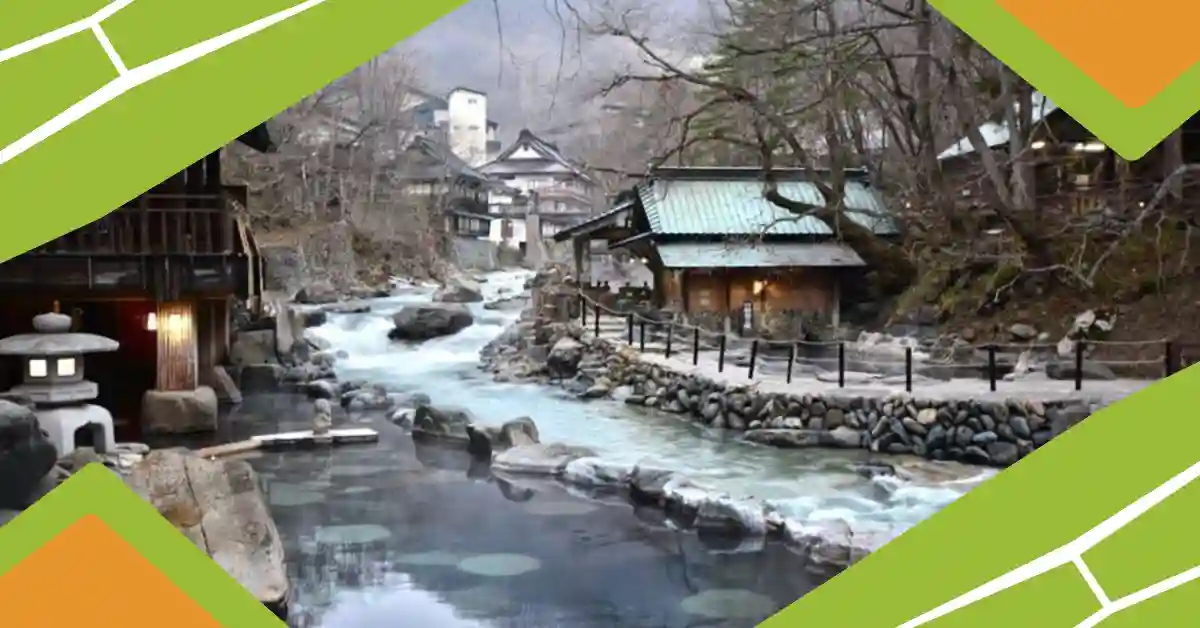
Visiting onsens with tattoos is becoming more common among international travelers, but understanding the rules and cultural expectations is essential before you step into a Japanese hot spring. Japan’s onsen culture is deeply rooted in tradition, and while attitudes are slowly changing, tattoos can still be associated with historical stigma. Knowing what to expect helps you avoid awkward situations and enjoy a more relaxing experience.
This guide explains how tattoo policies work, what etiquette to follow, and how to find tattoo-friendly onsens so you can enjoy Japan’s healing hot springs with confidence.
Understanding Tattoo Policies in Japanese Onsens
To understand onsen culture, it’s important to first recognize why tattoos have traditionally been restricted. In Japan, tattoos were historically associated with organized crime groups, particularly the yakuza. While this association is fading, many older establishments still maintain conservative rules.
Most traditional onsens operate with one of three approaches: complete tattoo bans, partial acceptance (small tattoos allowed with covering), or full acceptance. These rules are usually posted at the entrance or on the facility’s website, though sometimes only in Japanese. Because of this inconsistency, travelers should never assume entry is guaranteed.
For many first-time visitors, the reality of visiting onsens with tattoos can feel confusing. Some places may allow tattoos if they are covered with waterproof patches, while others may ask guests to use private baths instead of public pools. A growing number of modern spas and tourist-friendly onsens have become more flexible, especially in regions with high international tourism such as Tokyo, Kyoto, and Hokkaido.
The key takeaway is that policies vary widely depending on the establishment, not the region alone. This makes advanced research essential. Even within the same city, one bathhouse may welcome tattooed guests while another just a few blocks away may refuse entry.
Etiquette When Visiting an Onsen as a Tattooed Guest
Once you find an onsen that allows entry, understanding etiquette is just as important as the rules themselves. Japanese bathing culture places strong emphasis on cleanliness, respect, and shared harmony. Following these expectations ensures a smooth and respectful experience for everyone.
Before entering the bath area, guests are expected to wash thoroughly at the shower stations provided. This is non-negotiable in onsen culture, regardless of tattoos or background. Cleanliness before entering the communal water is a deeply rooted tradition and a sign of respect for others sharing the space.
If your tattoos are visible and allowed, it is still considered polite to remain discreet. Avoid drawing attention to them or making them a focal point of conversation. In some cases, even in tattoo-tolerant onsens, guests may choose to cover their tattoos using waterproof patches or bandages to avoid discomfort for others.
Another important aspect is noise control and behavior. Onsens are quiet spaces meant for relaxation. Speaking softly, avoiding phone use, and respecting personal space are all part of the experience. While these rules apply to everyone, they become especially important when you are already navigating being a tattooed guest in a culturally sensitive environment.
Here are a few etiquette principles to keep in mind while visiting onsens with tattoos:
- Always shower thoroughly before entering the bath
- Keep conversations quiet and minimal
- Do not bring towels into the water
- Respect any additional instructions from staff immediately
These practices help maintain harmony in shared bathing spaces and show respect for Japanese customs. Even when tattoos are accepted, cultural awareness plays a significant role in how welcoming your experience will feel.
Finding Tattoo-Friendly Onsens and Modern Trends
In recent years, Japan’s tourism industry has gradually adapted to global travelers, and this shift has led to more tattoo-friendly bathing options. While traditional public onsens may still have restrictions, many modern facilities now openly welcome tattooed guests.
Private baths, known as “kashikiri” or “family baths,” are one of the easiest solutions. These are enclosed rooms that can be reserved for individuals, couples, or families, allowing complete privacy without concern about public perception. Many ryokan (traditional inns) offer these as part of their accommodation packages, making them an ideal choice for travelers who want a stress-free experience.
Some urban spa complexes in major cities also cater specifically to international visitors. These facilities often clearly state their tattoo policies online, making it easier to plan ahead. Additionally, smaller boutique onsens in tourist-heavy areas have started embracing inclusivity as part of their business model.
When researching, it helps to look for terms like “tattoo OK,” “international friendly,” or “private bath available.” Travel forums and recent reviews can also provide updated insights, since policies may change over time.
In more rural areas, acceptance is still limited, but private booking options remain a reliable alternative. The growing demand from global tourists has encouraged some traditional inns to reconsider their policies, especially in regions that rely heavily on tourism revenue.
Ultimately, visiting onsens with tattoos is becoming more accessible, but flexibility is still required. Planning ahead ensures you avoid disappointment and helps you choose experiences that match your comfort level.
Cultural Sensitivity and Evolving Attitudes
Japan’s relationship with tattoos is slowly evolving. Younger generations tend to be more accepting, especially in urban environments influenced by global culture. However, tradition remains strong, and many older establishments continue to uphold long-standing rules.
Understanding this balance is key to enjoying your time in Japan. Rather than viewing restrictions as exclusionary, it helps to see them as part of a cultural system that is gradually adapting. Many onsen owners are now actively working to accommodate international guests while still respecting local customs.
This evolving landscape means that experiences can vary widely depending on where you go. One onsen might be completely open to tattoos, while another may require full coverage or private booking. Staying informed and flexible will significantly improve your experience.
Conclusion
Experiencing Japanese hot springs is one of the most memorable parts of visiting the country, and tattoos no longer need to be a complete barrier. While traditional rules still exist in many places, modern alternatives and changing attitudes are making the experience more accessible than ever.
If you are planning visiting onsens with tattoos, the key is preparation: understand the rules, respect the etiquette, and choose facilities that align with your needs. With the right approach, you can fully enjoy the calming, restorative nature of Japan’s onsen culture while navigating its traditions with confidence and respect.