Whisky and Sake: Exploring Japan’s Most Iconic Breweries and Distilleries
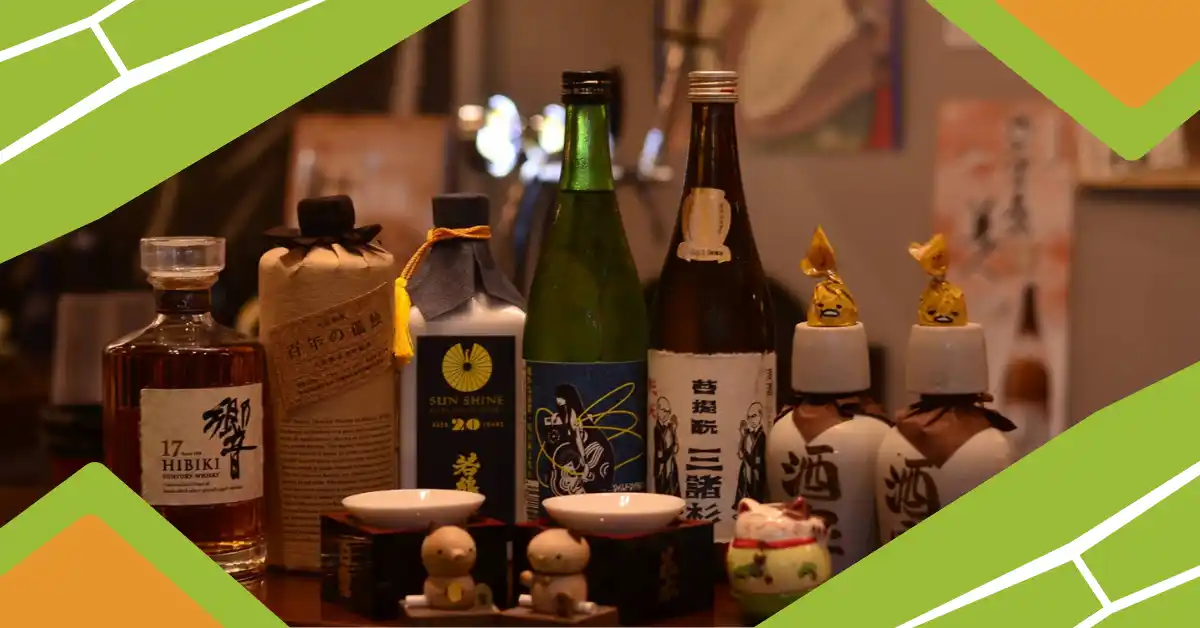
Whisky and Sake define Japan’s refined drinking culture, blending centuries-old fermentation artistry with modern distillation mastery that continues to captivate global enthusiasts. From misty mountain distilleries to centuries-old wooden sake breweries, Japan has perfected two contrasting yet deeply connected traditions. Whisky reflects precision, innovation, and climate-influenced aging, while sake embodies rice, water purity, and craftsmanship passed through generations. Together, they form a cultural duo that represents Japan’s dedication to quality, patience, and sensory balance.
For travelers and connoisseurs alike, exploring Japan through its iconic distilleries and breweries offers more than tasting sessions; it is a journey into history, geography, and philosophy. Each region contributes unique characteristics shaped by water sources, climate, and local ingredients, making every sip a reflection of place and tradition.
The Rise of Japanese Whisky: Precision Meets Nature
Japanese whisky has earned global recognition for its elegance, balance, and meticulous production techniques. Inspired originally by Scottish whisky-making methods, Japanese distillers adapted the craft to local conditions, resulting in a distinctly smoother and more delicate profile.
One of the earliest pioneers, Suntory, established its legacy with the Yamazaki Distillery near Kyoto. Nestled between rivers and forested hills, Yamazaki benefits from pure water sources and a humid climate ideal for aging whisky. This environment contributes to complex flavor development, often featuring notes of fruit, oak, and subtle spice.
Another cornerstone is Nikka Whisky, founded by Masataka Taketsuru, who studied distillation in Scotland before bringing his knowledge back to Japan. The Yoichi Distillery in Hokkaido is known for its bold, smoky character influenced by coastal air and traditional coal-fired distillation methods. Meanwhile, the Miyagikyo Distillery offers a softer, more floral profile, showcasing the diversity possible within a single brand.
Modern craft distilleries like Chichibu have further elevated Japan’s reputation by experimenting with cask types, aging techniques, and small-batch production. These innovations highlight how Japanese whisky continues to evolve while respecting its foundational principles.
The Cultural Depth of Sake Brewing in Japan
Sake is deeply woven into Japan’s cultural and spiritual identity. Unlike whisky, which relies on grain fermentation and distillation, sake is brewed from polished rice, water, yeast, and koji mold. This delicate process requires precision at every stage, from rice polishing ratios to fermentation temperature control.
Regions such as Niigata, Kyoto, and Hiroshima are especially renowned for sake production due to their pristine water sources and favorable climates. Niigata sake, for example, is often described as clean, dry, and refined, reflecting the region’s heavy snowfall and soft water. Kyoto, historically the heart of imperial Japan, produces sake with a more balanced and elegant profile, often linked to traditional brewing houses that have operated for centuries.
The craftsmanship behind sake brewing is also deeply seasonal. Many breweries operate in colder months to ensure optimal fermentation conditions, a practice known as “kanzukuri.” Master brewers, or toji, oversee the entire process, blending science with intuition developed over decades of experience.
Today, sake is experiencing a global renaissance, with craft producers experimenting with unfiltered styles, sparkling variations, and aged expressions that challenge traditional expectations while preserving cultural authenticity.
Iconic Destinations for Whisky and Sake Enthusiasts
Japan offers a wide range of destinations where visitors can experience both whisky distillation and sake brewing firsthand. These locations not only provide tastings but also immersive tours that explain production methods, aging techniques, and historical context.
- Yamazaki Distillery (near Kyoto): Japan’s first whisky distillery, known for its serene natural surroundings and award-winning single malts.
- Yoichi Distillery (Hokkaido): Famous for its robust, peaty whiskies and traditional production techniques.
- Hakushu Distillery (Yamanashi): Located in the forested Japanese Alps, producing fresh, herbal-style whiskies.
- Fushimi Sake District (Kyoto): Home to numerous historic sake breweries with tasting rooms and underground water sources essential for brewing.
These destinations showcase how geography directly influences flavor profiles, reinforcing the importance of environment in Japanese alcohol production.
Craftsmanship, Climate, and the Philosophy of Balance
What distinguishes Japan’s alcoholic beverage culture is not just technique, but philosophy. Both whisky and sake production emphasize harmony between human effort and natural conditions, tradition and innovation, precision and patience.
In whisky production, aging is carefully monitored as spirits mature in oak barrels under Japan’s varying climate conditions. Seasonal temperature shifts accelerate interaction between liquid and wood, producing depth and complexity in relatively shorter aging periods compared to other whisky regions.
Sake brewing, on the other hand, relies on microscopic balance. Koji mold transforms starch into sugar, yeast converts sugar into alcohol, and brewers carefully control fermentation to achieve desired flavor profiles. Even minor adjustments in temperature or timing can significantly alter the final product.
This shared philosophy of meticulous control and respect for natural processes is what unites these two traditions under a broader cultural identity. It is this balance that has elevated Japan to global prominence in the beverage world.
Modern Trends and Global Recognition
In recent years, both Japanese whisky and sake have experienced increasing international demand. Whisky from Japan frequently wins global awards, praised for its smoothness and refined character. Limited editions often sell out quickly, becoming collector’s items in global markets.
Sake, meanwhile, is expanding beyond traditional consumption styles. It is now featured in fine dining restaurants worldwide, paired with international cuisine and served in both traditional and contemporary formats. Export-focused breweries are also experimenting with labeling, alcohol levels, and flavor innovations to appeal to broader audiences.
This global appreciation reflects a growing recognition of Japan’s craftsmanship and cultural storytelling through beverages. It also highlights how tradition can adapt without losing authenticity.
Experiencing Japan Through Taste and Tradition
Travelers seeking to understand Japan beyond its cities and landmarks often find that its beverages offer a deeper narrative. Visiting distilleries and breweries provides insight into rural landscapes, seasonal rhythms, and centuries-old techniques still practiced today.
Whether walking through moss-covered whisky warehouses in Hokkaido or stepping into centuries-old sake cellars in Kyoto, visitors gain a sensory connection to Japan’s heritage. Tasting sessions often become storytelling experiences, where each drink reflects a region’s climate, history, and philosophy.
This cultural immersion is what makes exploring Japan’s beverage industry so memorable. It is not simply about drinking whisky or sake, it is about understanding the dedication behind every bottle.
Conclusion: A Timeless Cultural Pairing
The world of Japanese spirits is defined by harmony, discipline, and innovation. Whisky represents Japan’s ability to reinterpret foreign traditions with precision and artistry, while sake preserves indigenous techniques rooted in rice cultivation and spiritual heritage. Together, they form a cultural pairing that continues to inspire global admiration.
Ultimately, Whisky and Sake symbolize more than beverages; they reflect Japan’s identity as a nation that values craftsmanship, patience, and the pursuit of perfection. Whether you are a casual traveler or a seasoned connoisseur, exploring these traditions offers a meaningful window into Japan’s soul, one sip at a time.
Also Read: Taco Party Ideas: Trending Dining Concepts & Unique Food Items