Best 24/7 Convenience Gyms in Japan: Affordable Workout Options for Busy Urban Lifestyles
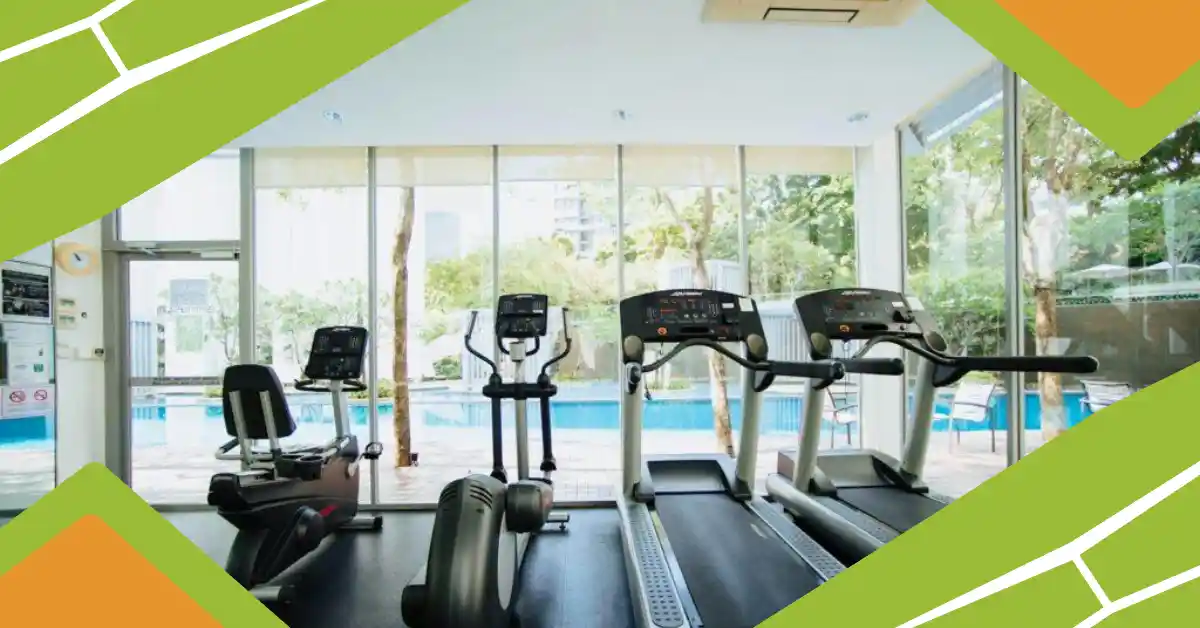
Convenience gyms in Japan are transforming fitness culture by offering flexible, affordable, and always-accessible workout spaces designed for modern city life. In fast-paced urban centers like Tokyo, Osaka, and Yokohama, where long working hours and tight schedules are common, these gyms have become a practical solution for maintaining health without disrupting daily routines.
Unlike traditional fitness clubs that operate on fixed schedules, Japan’s 24/7 fitness model prioritizes accessibility, automation, and cost efficiency. This has made them especially popular among office workers, students, and expats seeking a stress-free fitness experience.
The Rise of 24/7 Fitness Culture in Japan
Over the past decade, Japan has seen a significant shift in how people approach fitness. Traditional gyms once required long-term contracts, high joining fees, and limited operating hours. However, urban lifestyles have changed dramatically, pushing demand for more flexible options.
This is where convenience gyms entered the market and reshaped expectations. Inspired by the country’s famous “convenience store” culture where services are available anytime these gyms offer 24/7 access, automated entry systems, and minimal staffing.
Major cities like Tokyo now have fitness facilities on nearly every corner, making it easier than ever for people to squeeze workouts into early mornings, late nights, or even lunch breaks.
Why Convenience Gyms Are So Popular in Urban Japan
The popularity of convenience gyms is closely tied to Japan’s work culture and urban density. Many professionals work long hours and commute extensively, leaving little time for traditional gym schedules.
Key reasons for their popularity include:
- 24/7 accessibility for flexible workout timing
- No-frills environment focused purely on exercise
- Short walking distance from train stations or residential areas
- Affordable monthly fees compared to premium fitness clubs
- No long-term commitment in many cases
For busy individuals, this model eliminates excuses. Whether it’s a 30-minute session at midnight or a quick morning workout before work, flexibility is the biggest advantage.
Affordable Pricing Models That Fit Every Budget
One of the strongest appeals of Japan’s fitness industry is affordability. Many convenience gyms operate on subscription-based pricing models that are significantly cheaper than traditional fitness clubs, making them highly attractive in urban areas where cost of living is high.
Typical pricing structures usually range from ¥2,500 to ¥8,000 per month, with many gyms offering no enrollment fees or hidden maintenance charges. This transparent pricing approach helps users better manage their budgets without worrying about unexpected costs.
Some locations also provide pay-as-you-go options and discounted long-term memberships. To keep prices low, many gyms offer “basic access only” plans that exclude extras like group classes or personal training, focusing instead on essential workout equipment and 24/7 access.
Key Features of Modern Convenience Gyms
Modern gyms in Japan are built around efficiency and simplicity rather than luxury amenities. Most convenience gyms focus on providing essential workout equipment and a smooth, streamlined user experience that suits busy urban lifestyles.
Common features typically include automated entry systems using membership cards or QR codes, along with core equipment such as treadmills, free weights, and resistance machines. These gyms are usually compact but well-organized, with security systems in place to ensure safety and convenience.
Many convenience gyms also incorporate smart technology, allowing users to manage memberships, book sessions, and track workouts through mobile apps. This tech-driven approach is especially popular among younger users and working professionals who value flexibility and efficiency.
Popular Gym Chains in Japan
Japan has several well-known gym chains that have helped popularize the 24/7 fitness model. While offerings vary slightly, they all follow the same principle of accessibility and affordability.
Some of the most recognized names include:
- Anytime Fitness Japan
- Joyfit24
- chocoZAP by RIZAP Group
These gyms are widely distributed across urban and suburban areas, making them easy to access regardless of where you live. Many locations are open around the clock and staffed only during limited hours, reinforcing the self-service model.
The growth of convenience gyms has encouraged competition, leading to better equipment, improved hygiene standards, and more flexible membership plans across the board.
How to Choose the Right Convenience Gym in Japan
With so many options available, choosing the right gym depends on your lifestyle and fitness goals. While all convenience gyms offer basic 24/7 access, differences in pricing, equipment, and location can significantly affect your experience.
Here are some factors to consider:
- Location proximity: Choose a gym near your home or workplace
- Equipment variety: Ensure it matches your training needs
- Crowd levels: Some gyms are busier during peak commuting hours
- Contract flexibility: Look for no-lock-in or short-term options
- Cleanliness and maintenance: Important for comfort and safety
If you’re a beginner, a smaller local gym may be more comfortable. For experienced lifters, larger chains with more equipment variety might be a better fit.
Tips for Busy Urban Lifestyles
Balancing fitness with a demanding urban schedule can be challenging, but convenience gyms make it significantly easier. To maximize your workouts, consider the following strategies:
- Train during off-peak hours (late night or early morning)
- Keep workouts short and focused (30–45 minutes)
- Plan routines in advance to save time
- Use compound exercises for efficiency
- Combine workouts with commuting routes when possible
Consistency matters more than duration. Even short, regular sessions can lead to noticeable improvements in strength, energy, and overall health.
Additionally, many people in Japan use gym visits as a stress-relief routine after work, helping them maintain both physical and mental balance in high-pressure environments.
The Future of Fitness in Japan
The fitness industry in Japan continues to evolve, with technology playing an increasingly important role. AI-based workout tracking, app-controlled entry systems, and even unmanned gym facilities are becoming more common.
As urban populations grow and work-life balance remains a challenge, the demand for convenience gyms is expected to rise further. These gyms are not just a trend they represent a long-term shift toward flexible, affordable, and user-centric fitness solutions.
We can also expect more integration with wearable technology, allowing users to sync their health data directly with gym systems for personalized training insights.
Conclusion
Japan’s fitness landscape has been revolutionized by the rise of 24/7 access gyms, making health and exercise more accessible than ever. Convenience gyms have become the backbone of this transformation, offering affordability, flexibility, and simplicity for busy urban lifestyles.
Whether you are a salary worker in Tokyo, a student in Osaka, or an expat adjusting to life in Japan, these gyms provide a practical solution for staying active without disrupting your schedule.
As the demand for flexible fitness continues to grow, these gyms are likely to remain a defining feature of modern Japanese urban life helping people stay fit, healthy, and energized in one of the world’s busiest environments.
Also Read: Free Japanese Life Hacks: 10 Habits That Will Change Your Daily Routine