Japanese Mobile Phones: Best Plans, Coverage, and Services Explained
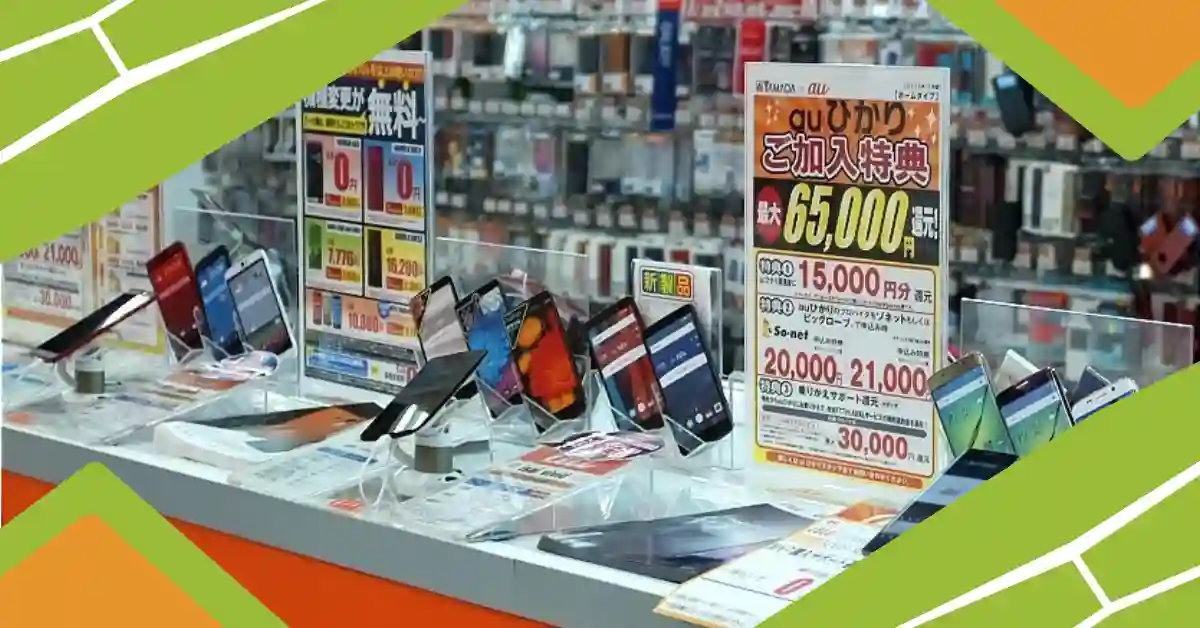
Japanese mobile phones are known for their advanced technology, strong network infrastructure, and highly competitive service ecosystem, making Japan one of the most developed mobile markets in the world.
Japan’s mobile landscape is unique compared to many countries, blending cutting-edge innovation with highly efficient telecom services. Whether you are a traveler, expatriate, or someone researching connectivity options, understanding how mobile services operate in Japan helps you make better decisions about plans, coverage, and device usage. The market is shaped by a few dominant carriers that ensure nationwide reliability, along with a growing presence of digital-first and budget-friendly operators that cater to diverse user needs.
Understanding Japan’s Mobile Ecosystem
The mobile industry in Japan is structured around a highly advanced infrastructure that prioritizes speed, stability, and seamless urban-to-rural connectivity. Unlike some regions where service quality varies significantly, Japan maintains consistent standards even in remote areas thanks to heavy investment in network expansion and maintenance.
In addition to strong infrastructure, Japan is known for early adoption of technologies like 5G, mobile payment integration, and IoT connectivity. This creates a highly integrated digital environment where smartphones are not just communication tools but central hubs for transportation, shopping, entertainment, and work.
Major Mobile Plans and Service Providers
When exploring mobile services, users typically encounter a few major carriers that dominate the market: NTT Docomo, KDDI (au), and SoftBank. These providers offer premium plans that emphasize speed, reliability, and wide coverage. They often include bundled services such as entertainment subscriptions, cloud storage, and device upgrade options.
Alongside these giants, there are also budget-friendly MVNOs (Mobile Virtual Network Operators) that lease infrastructure from larger carriers. These options are especially popular among students, short-term residents, and cost-conscious users who prioritize affordability over premium features.
Many plans in Japan are structured around data usage tiers rather than unlimited talk time, reflecting modern smartphone usage habits. Voice calls are often supplemented or replaced by messaging apps, which influences how service packages are designed.
Network Coverage and Performance Quality
One of the strongest advantages of using mobile services in Japan is the exceptional network coverage. Urban areas such as Tokyo, Osaka, and Nagoya enjoy ultra-fast 5G speeds, while rural regions still maintain stable LTE connections.
This consistency is the result of long-term infrastructure investment and strict regulatory standards. Commuters can travel across the country with minimal signal disruption, including during long-distance train journeys on high-speed rail systems. Even underground stations, shopping complexes, and dense city areas maintain reliable connectivity.
For users relying on Japanese mobile phones, this level of stability ensures uninterrupted access to navigation apps, mobile payments, and real-time communication services, which are deeply integrated into daily life in Japan.
Data Services, eSIM, and Digital Convenience
Modern Japanese mobile services emphasize digital convenience through features such as eSIM support, online plan activation, and app-based account management. This reduces the need for physical SIM cards and allows users to switch plans or carriers more easily.
Data services are highly optimized, with carriers offering high-speed data packages suitable for streaming, gaming, and remote work. Public Wi-Fi is also widely available in urban areas, but mobile data remains the primary source of connectivity due to its reliability and speed.
International travelers often find short-term SIM or eSIM plans particularly useful, as they provide immediate connectivity upon arrival without the need for complex registration processes. This flexibility is one of the reasons Japan remains a highly accessible destination for global visitors.
Choosing the Right Mobile Plan in Japan
Selecting a suitable mobile plan depends largely on usage habits, duration of stay, and budget considerations. Heavy data users who rely on streaming or remote work may prefer premium carrier plans, while casual users or tourists often benefit from prepaid or MVNO options.
Another important consideration is device compatibility, especially for foreign smartphones. While most modern devices work in Japan, ensuring compatibility with local network bands improves performance significantly.
Users exploring Japanese mobile phones often prioritize a balance between affordability and performance, particularly when staying for extended periods or managing multiple digital needs like navigation, translation, and mobile banking.
The Role of Technology in Japan’s Mobile Future
Japan continues to push forward in mobile innovation, with ongoing advancements in 5G expansion, smart city integration, and mobile-first services. The country is also exploring next-generation communication technologies that will further enhance speed, latency, and connectivity reliability.
As digital lifestyles evolve, mobile phones are becoming even more central to everyday life. From transportation systems that rely on QR-based ticketing to retail environments driven by mobile payments, smartphones are deeply embedded in Japan’s technological ecosystem.
This continuous innovation ensures that users of Japanese mobile phones benefit from a forward-looking infrastructure that supports both current needs and future developments.
Conclusion
Japan’s mobile industry stands out globally for its reliability, innovation, and user-focused service design. Whether through premium carriers or budget-friendly alternatives, users have access to a wide range of plans that suit different lifestyles and budgets. Strong coverage, advanced data services, and seamless digital integration make mobile usage in Japan exceptionally efficient.
For anyone planning to visit, live, or study in Japan, understanding how mobile services operate is essential for staying connected in a highly digital society. With continuous technological growth and expanding service options, Japanese mobile phones remain at the center of one of the world’s most advanced telecommunications ecosystems.