Inside Jails in Japan: Structure, Rules, Prison Life & Daily Routine Explained
Jails in Japan are often regarded as some of the most disciplined and strictly managed correctional facilities in the world. Unlike many Western prison systems, they emphasize order, rehabilitation, and social conformity over punishment alone. Understanding how these institutions operate provides deep insight into the broader justice culture of Japan, where structure and societal harmony play a central role in everyday life.
Introduction to Japan’s Correctional System
Jails in Japan function under a highly centralized system managed by the Ministry of Justice. The system is designed not only to detain offenders but also to reform them through strict routines, education, and labor programs. In cities like Tokyo and Osaka, correctional facilities follow the same standardized rules, ensuring consistency across the country.
One of the most distinctive features of Jails in Japan is the emphasis on discipline and predictability. Prisoners follow a highly structured daily schedule with minimal deviation. This structured environment reflects broader cultural values of order, respect, and responsibility.
Structure and Organization of Jails in Japan
The physical and administrative structure of Jails in Japan is designed for efficiency and control. Facilities are typically divided into multiple security levels, including maximum, medium, and minimum security zones. Each section is carefully monitored, and inmate movement is tightly regulated.
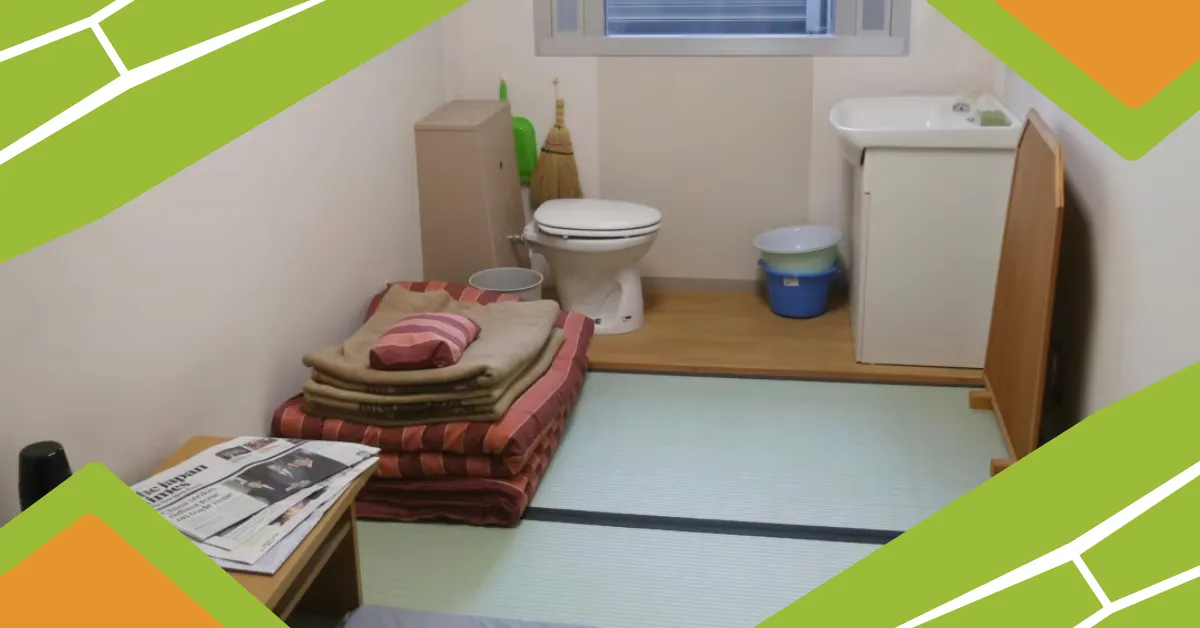
Cells are generally small and minimalist, containing only essential items such as bedding, a small desk, and storage space. Unlike prisons in some countries, privacy is limited, and surveillance is constant. However, this is justified by the authorities as a way to maintain safety and prevent misconduct.
Inside Jails in Japan, inmates are assigned based on factors such as offense type, behavior, and risk level. This classification system ensures that rehabilitation programs are tailored appropriately. The structure is not designed for comfort but for discipline and reform.
Legal Framework and Management
The legal foundation of Jails in Japan is deeply rooted in national correctional law and overseen by the Ministry of Justice. Every aspect, from inmate admission to release, follows strict procedural guidelines. Sentencing laws and prison regulations are applied consistently, leaving little room for discretionary variation within facilities.
The correctional philosophy prioritizes rehabilitation over long-term incarceration. Many inmates participate in structured programs that aim to prepare them for reintegration into society. This includes moral education, vocational training, and behavioral correction programs.
In Jails in Japan, officers are highly trained and expected to maintain professionalism at all times. Their role is not only to enforce rules but also to guide inmates toward behavioral improvement.
Daily Routine Inside Jails in Japan
Life inside Jails in Japan is governed by a strict and repetitive daily schedule. Inmates typically wake up early in the morning, followed by cleaning duties, inspections, and work assignments. The routine is designed to instill discipline and reduce idle time.
Meals are served at fixed times and are simple but nutritionally balanced. After breakfast, inmates proceed to assigned labor or educational programs. Work may include manufacturing tasks, assembly work, or facility maintenance.
Afternoons continue with structured activities, and free time is extremely limited. Even during rest periods, behavior is closely monitored. Lights-out occurs at a fixed hour, reinforcing the strict time discipline that defines Jails in Japan.
This highly regulated routine is intended to eliminate unpredictability and encourage inmates to develop self-control and responsibility.
Discipline, Rules, and Behavioral Expectations
Discipline is one of the most defining characteristics of Jails in Japan. Inmates are expected to follow rules with precision, and even minor violations can result in consequences such as loss of privileges or disciplinary confinement.
Communication between inmates is restricted and highly controlled. Silence is often required during work hours, and interaction is minimized to prevent conflict. Respect for authority is strictly enforced, and correctional officers maintain a formal distance from inmates.
Uniformity is another key aspect. Clothing, grooming, and personal conduct are all regulated. The goal is to reduce individuality within the prison environment, replacing it with collective order.
In Jails in Japan, rules are not merely guidelines but essential components of daily life. This strict environment is intended to reshape behavior and encourage long-term compliance with societal norms.
Prison Work and Rehabilitation Programs
Work plays a central role in Jails in Japan, serving both practical and rehabilitative purposes. Inmates are assigned labor based on their abilities and facility needs. Common tasks include manufacturing goods, assembling products, or engaging in agricultural work in some institutions.
These activities are not only designed to keep inmates occupied but also to teach responsibility, teamwork, and vocational skills. Earnings from prison labor are often modest and may be saved for use after release.
Rehabilitation programs are also an important component. Educational classes and moral instruction sessions aim to help inmates reflect on their actions and prepare for reintegration into society. In Jails in Japan, rehabilitation is considered just as important as punishment.
Unlike more punitive systems, the focus here is on long-term behavioral change rather than short-term confinement alone.
Living Conditions and Social Environment
Living conditions in Jails in Japan are clean, orderly, and strictly controlled. While not luxurious, facilities are maintained with a strong emphasis on hygiene and structure. Inmates are responsible for cleaning their own living spaces, reinforcing discipline and accountability.
The social environment is intentionally limited. Interaction is controlled to prevent conflict and maintain order. Group activities are structured and supervised, leaving little room for informal socializing.
Despite the strictness, the system is designed to minimize violence and instability. As a result, Jails in Japan are often noted for their low levels of inmate conflict compared to many other correctional systems worldwide.
The emphasis on routine, cleanliness, and behavioral control creates an environment that is predictable but highly regulated.
Psychological Impact and Cultural Context
Understanding Jails in Japan also requires considering cultural expectations. Japanese society places high value on conformity, respect for authority, and social responsibility. These values are deeply embedded in the correctional system.
For many inmates, the psychological experience is shaped by isolation from personal identity and immersion in structured discipline. While some find the environment restrictive, others adapt over time and develop new habits aligned with rehabilitation goals.
The system reflects a broader belief that structured discipline can lead to moral correction and reduced recidivism.
Conclusion: The Philosophy Behind Jails in Japan
Ultimately, Jails in Japan represent a correctional philosophy that prioritizes order, rehabilitation, and social reintegration over punishment alone. From strict daily routines to highly controlled living conditions, every aspect is designed to shape behavior and reinforce responsibility.
While the system may appear rigid from an outside perspective, it reflects the cultural and legal values of Japan and its approach to justice. In conclusion, Jails in Japan continue to stand as one of the most structured and discipline-oriented correctional systems in the world, balancing control with rehabilitation in a uniquely consistent manner.