How Japanese Daycares, Preschools & Kindergartens Work: A Complete Guide
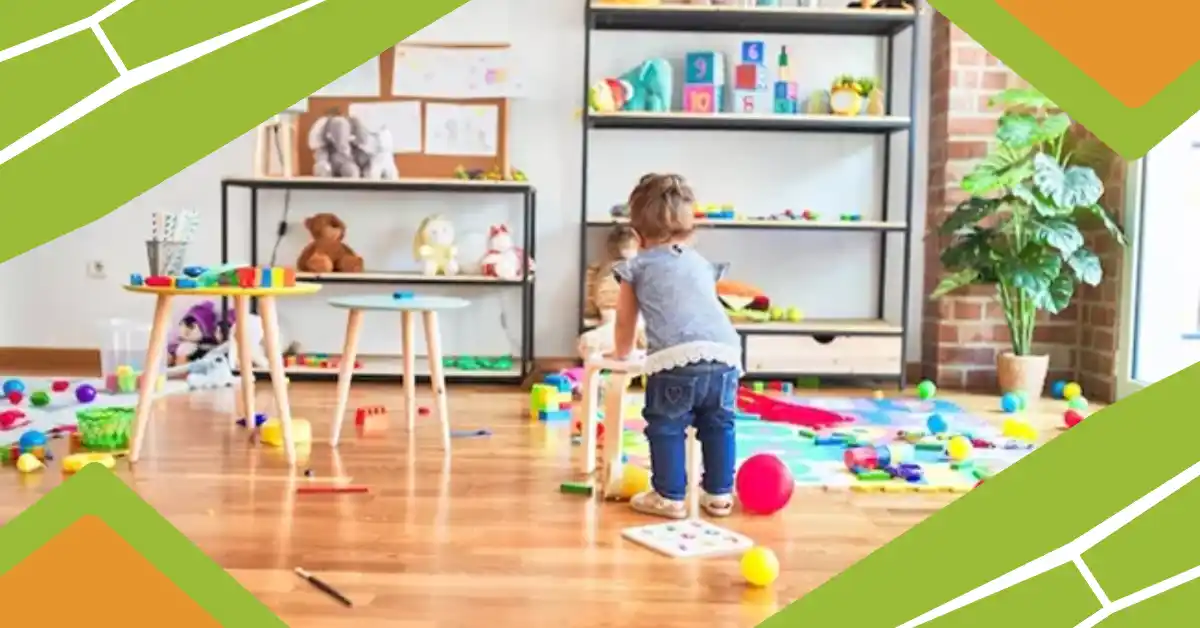
Japanese Daycares are widely recognized for their structured routines, strong educational foundations, and emphasis on social development from an early age. For many families, especially expatriates living in Japan or parents researching early education models globally, understanding how these institutions operate can feel both fascinating and complex. This guide breaks down everything you need to know about early childhood education in Japan, from daily life inside classrooms to cultural values that shape the system.
Early Childhood Education in Japan: An Overview
Early childhood education in Japan is built on a dual system that includes daycare centers (hoikuen), preschools, and kindergartens (yochien). While these terms are sometimes used interchangeably outside Japan, they serve distinct purposes within the country’s education and childcare ecosystem.
Daycare centers primarily focus on care for children whose parents work full-time. Preschools and kindergartens, on the other hand, place more emphasis on early learning and school readiness. Despite these differences, all institutions share a common goal: nurturing independence, discipline, and social harmony from a young age.
In urban areas such as Tokyo, demand for enrollment is extremely high, often requiring parents to apply months in advance and meet strict eligibility criteria.
The Structure of Daycare, Preschool, and Kindergarten Systems
The Japanese early education system is divided mainly into hoikuen (daycare centers), yochien (kindergartens), and nintei kodomoen (certified centers that combine both functions).
Hoikuen accepts children from as young as a few months old up to the age of six. These centers operate for longer hours, often from early morning until evening, making them essential for working families. Yochien typically serves children aged three to six and follows a more academic calendar, similar to schools.
Certified centers (kodomoen) combine both care and education under one roof, reflecting Japan’s effort to streamline early childhood services.
Within this structure, the concept of Japanese Daycares stands out as a system deeply integrated into societal expectations of discipline, responsibility, and collective behavior.
Daily Life and Routine Inside Japanese Early Childhood Centers
A typical day in a Japanese daycare or kindergarten follows a highly structured routine designed to provide stability and predictability for children. Upon arrival, children are encouraged to independently change their shoes, hang their belongings, and greet teachers and classmates. This practice fosters early self-reliance.
The day often includes group play, outdoor activities, creative arts, and structured learning sessions. Meals are usually eaten together, reinforcing communal habits and etiquette. Even naps for younger children are scheduled consistently to maintain balance and routine.
Teachers play a guiding role rather than a purely instructional one, observing children closely and encouraging them to solve problems independently rather than relying on direct intervention.
Educational Philosophy and Core Values
One of the defining features of early education in Japan is its emphasis on social harmony, known as “wa.” Children are taught from an early age to respect others, share resources, and function as part of a group.
Unlike some Western education models that prioritize individual achievement, Japanese early education focuses more on cooperation and collective responsibility. For example, children often clean classrooms together at the end of the day, reinforcing accountability and teamwork.
This philosophy also emphasizes emotional regulation, patience, and resilience. Teachers gently guide children through conflict resolution, helping them understand emotions rather than simply correcting behavior.
Enrollment Process and Eligibility Requirements
Enrollment in daycare and kindergarten in Japan can be highly competitive, especially in major cities. Parents typically need to submit applications to their local municipal office for hoikuen placements. Priority is often given to families where both parents are working full-time or have caregiving constraints.
Kindergartens may have their own application processes, including interviews or orientation sessions. Some private institutions also require entrance assessments, although these are generally informal and focus on social readiness rather than academic ability.
Because of high demand in cities like Tokyo and Osaka, waiting lists are common, and some families must apply to multiple centers simultaneously to secure placement.
Costs and Government Support
The cost of early childhood education in Japan varies depending on the type of institution and household income. Public daycare centers are often subsidized by local governments, making them relatively affordable for most families. Private kindergartens, however, can be significantly more expensive due to additional facilities, programs, and extended services.
In recent years, the Japanese government has expanded subsidies to support families with young children, aiming to reduce financial barriers and encourage higher birth rates. These policies have made early education more accessible, though competition for spots remains high in urban regions.
Cultural Influence and Discipline in Early Education
Cultural values play a major role in shaping early education practices. Respect for elders, punctuality, cleanliness, and group harmony are deeply embedded into daily activities. Children are encouraged to take responsibility for their belongings and participate in cleaning tasks, which is seen as a natural part of development.
Discipline in Japanese early education is generally calm and non-punitive. Teachers use guidance, repetition, and modeling behavior rather than strict punishment. This approach helps children internalize rules and understand their impact on others.
The environment is designed to cultivate emotional intelligence alongside practical life skills, preparing children not just for academic success but for societal participation.
What International Parents Should Know
For expatriate families moving to Japan, understanding the structure and expectations of early education can be challenging at first. Language barriers, application processes, and cultural differences may feel overwhelming.
However, many international schools and bilingual programs are available, particularly in larger cities. These institutions often blend Japanese educational values with global curricula, offering a balanced approach for children from diverse backgrounds.
Parents should also be aware that independence is highly valued, even at a very young age. Children are expected to manage basic tasks on their own, such as dressing, eating, and organizing their belongings.
Conclusion: A System Built on Balance and Growth
Early childhood education in Japan is a carefully designed system that balances care, discipline, and learning in equal measure. From structured routines to deeply rooted cultural values, every aspect of the system is intended to prepare children for both academic life and social integration.
Understanding how Japanese Daycares function provides valuable insight into why Japan consistently ranks highly in global education and child development discussions. While the system may seem strict or highly organized compared to others, it ultimately aims to build confident, responsible, and socially aware individuals who can thrive in a collective society.
Also Read: Top Things to Do with Kids in Tokyo: Farms, LEGO, Cafes Guide