Mibot by KG Motors: Japan’s Tiny EV Driving a New Urban Mobility Era
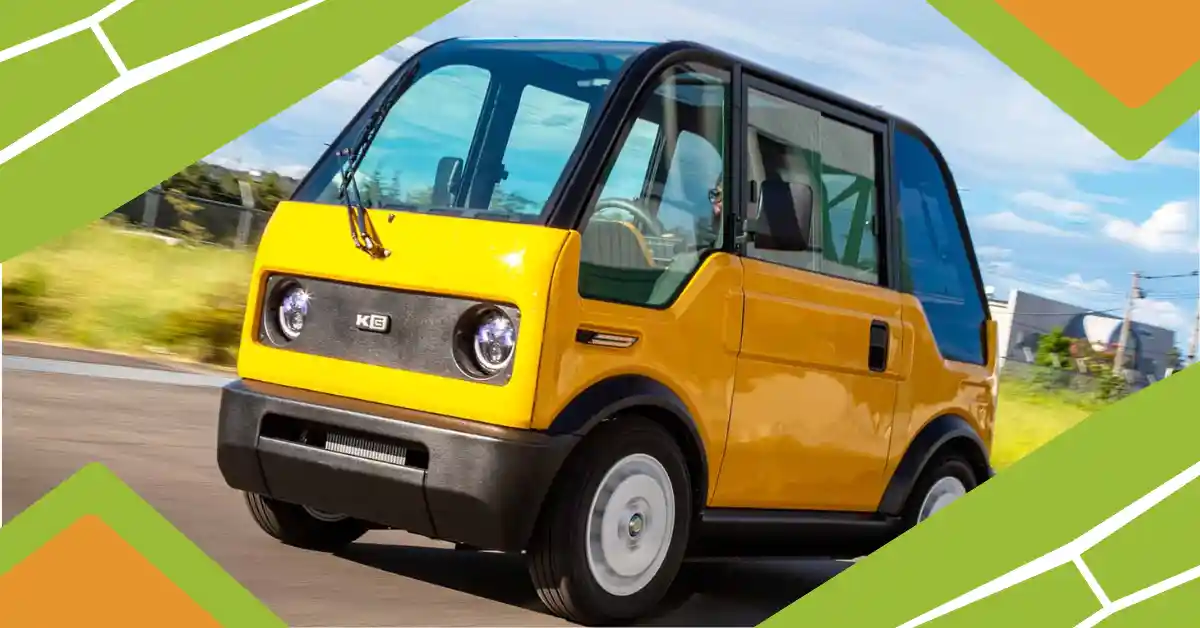
Urban transport is evolving faster than ever, and Japan’s latest innovation, the Mibot, a compact electric vehicle built by Hiroshima startup KG Motors, is capturing global attention. Designed for the realities of crowded city streets and short-distance travel, Mibot isn’t just a quirky new EV. It represents a shift toward more affordable, practical, and sustainable personal transport solutions.
Mibot’s emergence in a mature automotive market like Japan underscores the growing demand for vehicles that fit the evolving needs of city dwellers, environmentally conscious commuters, and cost-savvy consumers alike.
Why Mibot Matters in Today’s Mobility Landscape
For decades, Japanese cities have been dominated by compact cars, kei vehicles, and microvans, all engineered with space efficiency in mind. However, traditional electric vehicles (EVs) remain relatively expensive and often oversized for routine city use. Enter Mibot, a purpose-built electric microcar that reimagines urban transport for the 21st century.
This tiny EV is not simply a smaller car. It is a fresh approach to urban mobility that blends affordability with functionality. Mibot enters a niche between electric bicycles, scooters, and conventional four-wheel EVs. By offering a fully enclosed cabin, city-ready performance, and everyday practicality, it challenges long-held assumptions about what an EV should be.
A Giant Leap for Micro Electric Vehicles
At its core, Mibot is a single-seat, battery-powered electric vehicle engineered for short city journeys and daily errands. Its compact design measures roughly 2.49 meters long and just over a meter wide, enabling effortless navigation through Japan’s narrow streets, a crucial advantage in densely built environments.
Despite its size, Mibot does not skimp on practicality:
- Range: Around 100 km per charge, perfect for most city and suburb trips.
- Charging: A full charge takes about five hours on a standard household outlet, with no special infrastructure needed.
- Comfort Features: Air conditioning, basic infotainment, and a small cargo area enhance usability.
While its top speed of around 60 km/h means it is not designed for highways, Mibot offers more than enough performance for city grids, neighborhood errands, and short commutes.
Affordable Electric Mobility: Redefining Value
One of Mibot’s most disruptive features is its price tag of roughly ¥1 million in Japan (about $7,000 USD). That is a fraction of the cost of most traditional EVs, and a bold statement in a market where electric cars often carry premium prices.
This affordability opens up electric mobility to a broader audience, particularly:
- Young professionals looking for a daily commuter.
- Urban residents with limited parking and short travel needs.
- Environmentally minded drivers keen to reduce emissions without costly investments.
Unlike e-bikes or scooters, Mibot combines the stability and weather protection of a car with the price and simplicity of lightweight EVs. This unique value proposition has resonated with consumers, helping the vehicle sell out pre-orders even before full production begins.
Born From Passion: The Story Behind the Start-Up
The journey of KG Motors and its founder reveals the human story behind Mibot. Founder Kazunari Kusunoki, known to fans as “Kussun,” began as a mechanic and auto parts expert with a popular YouTube channel focused on custom vehicles.
Over time, Kusunoki became increasingly interested in building a vehicle tailored to real-world urban needs, one that did not just look cool but solved everyday problems. Partnering with friends and automotive specialists, he launched KG Motors in 2022 with a mission to rethink the smallest unit of personal mobility.
This grassroots origin, from garage tinkering to startup innovation, gives Mibot a unique identity. It is not just another car; it is the product of genuine passion for mobility and a deep understanding of the challenges that modern commuters face.
Impact on Japan’s EV Market and Beyond
Japan’s transition to electric vehicles has been slower compared to some regions, with hybrids still dominating new sales. Mibot’s success suggests that there is substantial demand for smaller, simpler EVs that fit everyday life rather than long-distance travel.
Early reports indicate that Mibot pre-orders are already outpacing EV sales of established manufacturers, including major Japanese brands, highlighting a hunger for practical, low-cost electric solutions.
By creating a lightweight, ultra-compact EV that bypasses the complexities and costs of larger electric cars, KG Motors is tapping into an underserved segment of the mobility market. This could inspire similar micro-EV efforts around the globe, especially in cities where traffic congestion, parking scarcity, and environmental concerns are paramount.
Navigating Urban Realities: Why Size Still Matters
One of the key advantages of Mibot lies not just in its technology, but in its adaptability to real urban conditions. Compact cars and micro vehicles have long been staples in Japan because they fit the tight corridors and limited parking of urban landscapes. Mibot takes this tradition and electricifies it in a way that is both modern and user-friendly.
Its slender build does not feel like a compromise but rather a clever optimization. Many city streets are narrower than many EVs’ turning radius, making small electric vehicles like Mibot more maneuverable and less stressful for drivers. Whether it is a commuting run to a train station or a quick trip to a local market, Mibot aims to make urban driving effortless.
Future Prospects: Scaling and Expansion
With initial deliveries set to begin and production scaling up, KG Motors is not just stopping at a single model. The company plans to boost annual capacity and gradually expand its product lineup over time.
There is also growing interest in partnerships and ecosystem support. For instance, collaborations with energy companies are enabling pilot sales and services through expanded sales networks, which are vital for after-sales support, maintenance, and customer assurance.
Looking ahead, Mibot may serve as a blueprint for micro EV adoption beyond Japan, particularly in markets where urban density and environmental goals intersect. Its low cost, simplicity, and practicality align with global trends toward shared mobility, electrification, and smart city planning.
Conclusion: A Small Car With a Big Vision
The story of the Mibot is more than a tale of a tiny electric vehicle. It is a reflection of changing attitudes toward transportation. In a world where affordability, sustainability, and practicality are increasingly critical, Mibot puts forward a compelling vision that mobility does not have to be big, expensive, or complicated to be meaningful.
By integrating user-centric design, accessible pricing, and real urban performance, KG Motors has developed a micro-EV that could redefine how cities and their residents think about personal transportation.
Whether it is the future of urban commuting or a stepping stone toward broader EV adoption, Mibot is proving that sometimes less really is more.