Kyoto Travel Guide: Explore Japan’s Historic Capital & Top Attractions
Kyoto travel offers an unforgettable journey into Japan’s cultural heart, where ancient temples, timeless traditions, and serene landscapes blend seamlessly with modern charm. Once the imperial capital of Japan for over a thousand years, Kyoto remains a living museum of history, art, and spirituality that continues to captivate visitors from around the world.
Why Kyoto Should Be on Your Travel List
Kyoto stands apart from other Japanese cities because of its deep-rooted heritage. Unlike the neon-lit energy of Tokyo or the bustling food scene of Osaka, Kyoto invites you to slow down and immerse yourself in centuries-old customs. Walking through its narrow streets feels like stepping back in time, with wooden machiya houses, tea shops, and glimpses of geisha culture still present today, making it a must for anyone exploring Japan travel.
The appeal of Kyoto travel lies in its balance. You can begin your day exploring ancient shrines and end it dining in a contemporary café. This harmony between past and present is what makes Kyoto such a unique destination.
The Cultural Heart of Japan
Kyoto is home to over 1,600 Buddhist temples and 400 Shinto shrines, many of which are UNESCO World Heritage Sites. These sacred spaces are not just tourist attractions; they are active places of worship that reflect Japan’s spiritual identity.
Temples such as Kinkaku-ji, the Golden Pavilion, shimmer beautifully against surrounding gardens, while Ryoan-ji offers a minimalist rock garden that encourages quiet reflection. Visiting these sites provides more than just photo opportunities it offers a deeper understanding of Japanese philosophy and aesthetics.
Kyoto travel experiences often center around these cultural landmarks, giving visitors a chance to connect with traditions that have been preserved for generations.
Exploring Kyoto’s Historic Districts
One of the most rewarding ways to experience Kyoto is by wandering through its historic districts. Gion, the city’s most famous geisha district, is known for its traditional wooden buildings and exclusive tea houses. If you’re lucky, you may catch a glimpse of a geiko or maiko gracefully making her way to an appointment.
Higashiyama is another must-visit area, filled with sloping streets, preserved architecture, and charming shops selling local crafts and sweets. As you stroll through these neighborhoods, you’ll notice how carefully Kyoto has maintained its historical identity despite modern development.
Kyoto travel becomes especially magical in these districts during early morning or evening hours when the crowds thin and the atmosphere feels more intimate.
Seasonal Beauty in Kyoto
Kyoto is a destination that transforms dramatically with the seasons. Each time of year offers a distinct experience, making it worth visiting more than once.
Spring brings cherry blossoms that blanket the city in soft pink hues, attracting visitors from across the globe. Parks, riverbanks, and temple grounds become picturesque settings for hanami, the traditional practice of flower viewing.
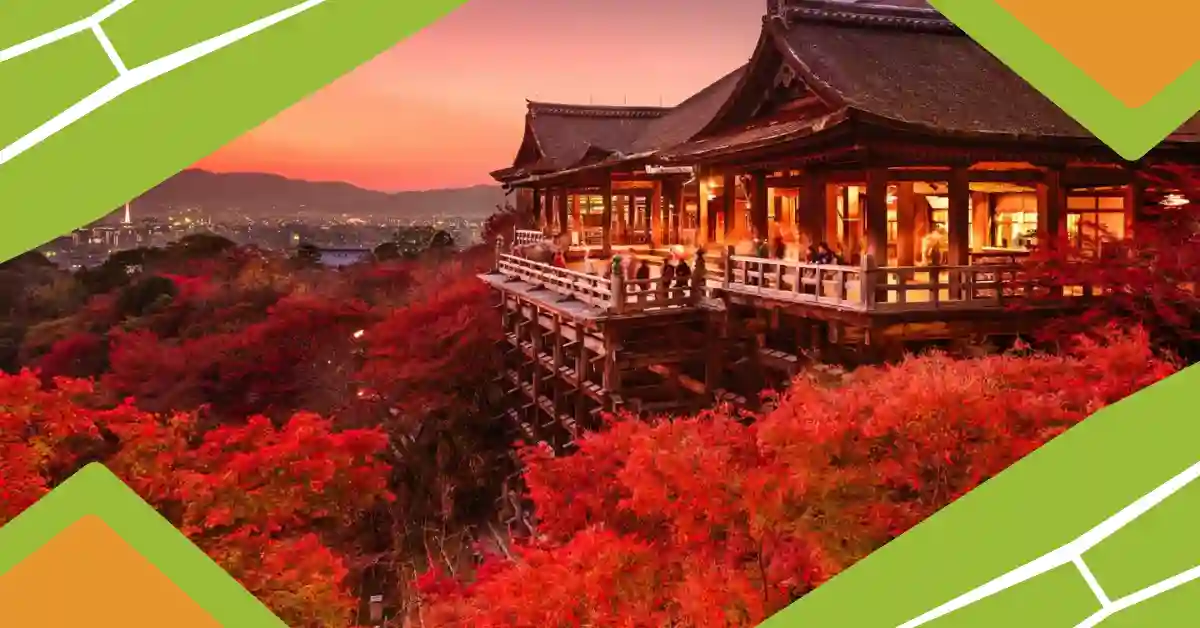
Autumn, on the other hand, paints Kyoto in fiery shades of red, orange, and gold. The foliage creates stunning backdrops, especially around temples and mountainous areas.
Even winter has its charm, with occasional snowfall adding a quiet elegance to temples and gardens. Summer, while warm, features vibrant festivals and lush greenery.
These seasonal changes enhance Kyoto travel by offering new perspectives and experiences throughout the year.
Food and Culinary Traditions
Kyoto’s cuisine is deeply tied to its cultural heritage. Known as kaiseki, traditional Kyoto dining emphasizes seasonal ingredients, artistic presentation, and balanced flavors. Each dish is carefully crafted to reflect nature and the time of year.
Beyond formal dining, Kyoto also offers a variety of casual food experiences. Nishiki Market, often referred to as “Kyoto’s kitchen,” is a lively place to sample local delicacies such as grilled seafood, pickles, and sweets.
Tea culture is another essential part of Kyoto’s identity. Matcha, or powdered green tea, is widely enjoyed in both traditional tea ceremonies and modern desserts. Participating in a tea ceremony can be a highlight of Kyoto travel, providing insight into Japanese hospitality and mindfulness.
Temples, Shrines, and Spiritual Experiences
While Kyoto has countless religious sites, each one offers something unique. Fushimi Inari Shrine is famous for its thousands of vermilion torii gates that form scenic pathways up a mountain. Walking through these gates is both visually striking and spiritually meaningful.
Kiyomizu-dera, perched on a hillside, offers panoramic views of the city and is especially popular during cherry blossom and autumn seasons. Its wooden stage, built without nails, showcases impressive traditional craftsmanship.
For those seeking tranquility, smaller temples and hidden gardens often provide a more peaceful experience. Kyoto travel isn’t just about visiting famous landmarks it’s also about discovering quiet corners where you can pause and reflect.
Getting Around Kyoto
Navigating Kyoto is relatively easy thanks to its efficient transportation system. Buses are the most common way to reach major attractions, while trains and subways connect key areas of the city.
Cycling is also a popular option, allowing you to explore at your own pace and access locations that may be less crowded. Many visitors find that walking is one of the best ways to truly appreciate Kyoto’s charm, especially in historic districts.
Planning your routes in advance can help maximize your time and ensure a smoother Kyoto travel experience.
Where Tradition Meets Modern Comfort
Despite its historical focus, Kyoto offers a range of modern accommodations and amenities. From luxury hotels to traditional ryokan inns, there are options to suit every type of traveler.
Staying in a ryokan can be particularly memorable, as it often includes tatami mat rooms, futon bedding, and multi-course meals. This immersive experience adds depth to your understanding of Japanese culture.
At the same time, Kyoto’s modern side includes stylish cafés, boutique shops, and contemporary art spaces. This blend ensures that Kyoto travel remains comfortable while still being culturally enriching.
Tips for First-Time Visitors
When visiting Kyoto, it’s important to respect local customs. Simple gestures such as removing your shoes when required, speaking quietly in public spaces, and following photography guidelines at temples can go a long way.
Timing your visits to popular attractions can also make a big difference. Early mornings or late afternoons are ideal for avoiding large crowds and enjoying a more მშვიდ atmosphere.
While Kyoto is welcoming to tourists, maintaining awareness of cultural etiquette enhances the overall experience and shows appreciation for the city’s traditions.
Final Thoughts on Kyoto Travel
Kyoto is more than just a destination it’s an experience that stays with you long after your journey ends. Its temples, gardens, cuisine, and traditions create a rich tapestry that reflects the essence of Japan.
Whether you’re drawn by history, nature, or cultural exploration, Kyoto offers something deeply meaningful. The beauty of Kyoto travel lies not only in what you see but also in how it makes you feel: calm, inspired, and connected to a world that values harmony and heritage.
By taking the time to explore Kyoto thoughtfully, you’ll discover why it continues to be one of Japan’s most beloved cities and a must-visit destination for travelers seeking authenticity and timeless beauty.
Also Read: How to Plan a Private Trip to Japan with the Help of a Travel Agency