Japan’s Gaming and Entertainment Landscape in 2026: A Complete Guide
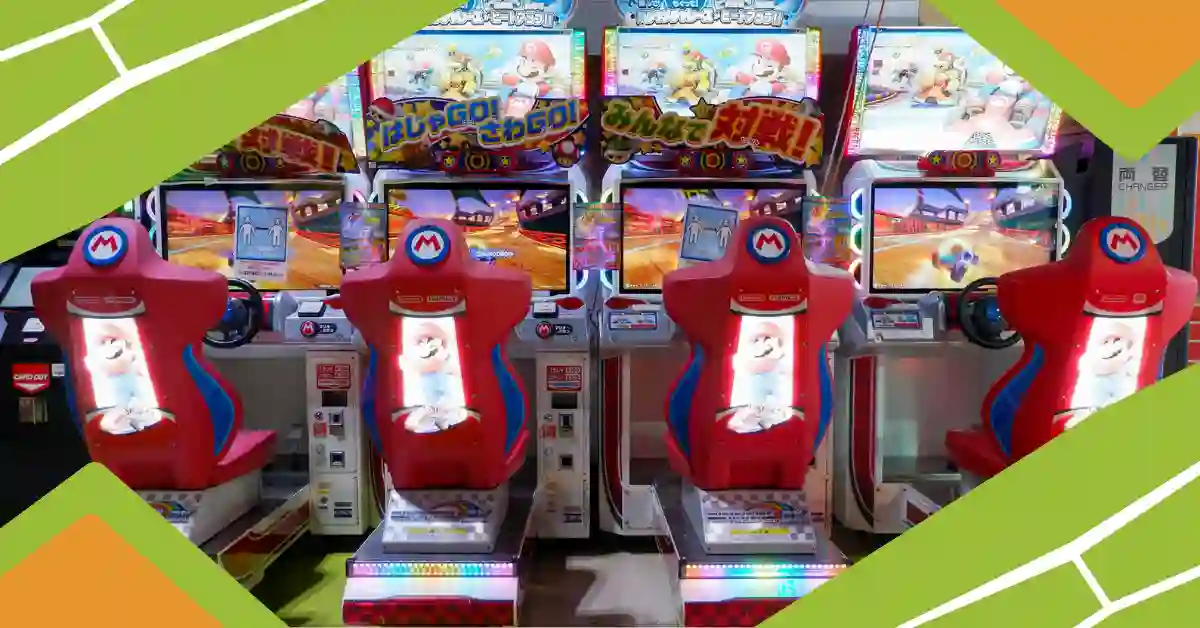
Japan has long been celebrated as a global leader in gaming and entertainment, and 2026 continues that trend with a unique blend of nostalgic arcade culture, cutting-edge console technology, and large-scale immersive experiences. From the dominance of the Nintendo Switch 2 to the rising popularity of AR/VR experiences and esports, Japan offers a rich ecosystem for both casual enthusiasts and hardcore gamers.
Nintendo Switch 2: Leading the Hardware Market
The Nintendo Switch 2 has taken Japan by storm, solidifying its position as the country’s top-selling gaming console. Early 2026 data shows that over four million units have been sold domestically, and monthly sales figures like 453,433 units in January highlight the console’s consistent appeal. Its success is fueled not only by Nintendo’s strong brand but also by a robust lineup of exclusive and cross-platform titles that continue to captivate gamers.
Among the standout titles for 2026 are Pokemon Pokopia, a highly anticipated Nintendo Switch 2 release, and Mario Kart World, which continues the legacy of one of the franchise’s most beloved entries. Multi-platform releases like Dragon Quest VII Reimagined and survival-horror hits such as Resident Evil Requiem (available on both PS5 and Switch 2) are keeping the market diverse, catering to both traditional fans and new audiences. These high-profile releases are complemented by a thriving indie game scene, which is experiencing remarkable fiscal growth and further diversifying the gaming experience in Japan.
The Rise of Indie and PC Gaming
While consoles continue to dominate, Japan’s indie and PC gaming sectors are seeing significant expansion. Steam’s user base in Japan has grown by over 150% since 2019, highlighting a renewed interest in PC gaming. Indie games, in particular, are projected to achieve the highest growth rates in the Japanese otaku market, reflecting an appetite for innovative, niche titles alongside mainstream blockbusters. This growth is supported by digital distribution platforms, crowdfunding, and the increasing popularity of esports-friendly PC titles.
AR and VR: Immersive Experiences Redefined
Augmented reality (AR) and virtual reality (VR) are reshaping the gaming landscape in Japan. With an estimated market value of $3.42 billion, AR/VR technologies are increasingly integrated into gaming arcades, museums, and large-scale entertainment spaces. Locations like RED° E-Sports at Tokyo Tower provide fully immersive experiences, combining competitive gaming with cutting-edge virtual environments. VR arcades allow visitors to step into expansive worlds that blend traditional Japanese aesthetics with futuristic gameplay mechanics, bridging the gap between the physical and digital gaming experiences.
Esports and Competitive Gaming Events
2026 is also a landmark year for competitive gaming in Japan. Esports has grown into a mainstream entertainment industry, culminating in prestigious events such as the Asian Games, where esports is recognized as a full medal sport. Titles like Street Fighter 6, Tekken 8, and League of Legends are not only part of international tournaments but also attract large live audiences and streaming viewership, further embedding competitive gaming into Japan’s entertainment culture.
Beyond esports, Japan hosts an impressive array of entertainment events that blend traditional and modern culture. The Japanese Grand Prix at Suzuka Circuit remains a premier motorsport event, while high-profile concerts, including Janet Jackson’s 2026 tour, draw international crowds. These events exemplify Japan’s ability to merge entertainment, culture, and fan engagement on a global scale.
Iconic Gaming Destinations
For those seeking more than just home gaming, Japan offers several must-visit destinations that celebrate its rich gaming heritage. The Nintendo Museum in Kyoto, opened in 2024, has become a pilgrimage site for fans, featuring two floors of historical archives, interactive exhibits, and hands-on experiences. In Tokyo, Akihabara famously known as “Electric Town” offers a labyrinth of multi-floor arcades, retro gaming stores like Super Potato, and specialty shops catering to every type of gamer.
Shibuya Parco provides another hub for enthusiasts, hosting Nintendo Tokyo, the Capcom Store, and a Pokémon Center on its sixth floor. These locations combine retail with immersive experiences, allowing fans to interact with games, merchandise, and themed attractions under one roof. Themed cafes dedicated to franchises such as Final Fantasy, Monster Hunter, and Kirby further enhance the fan experience, offering exclusive décor, food, and merchandise in carefully curated spaces.
Social Entertainment and Unique Experiences
Gaming in Japan is not confined to consoles and PCs it extends into diverse social entertainment formats. Karaoke boxes, such as those operated by Karaoke Kan and Big Echo, provide private rooms for friends and family, often complete with food and drink services, creating a casual but interactive social environment. Animal cafes, including owl cafes like Akiba Fukurou and micro-pig cafés, remain popular for relaxation and socialization. Pachinko parlors, featuring vertical pinball-style machines, continue to attract an older demographic, acting as an “alternate casino” while preserving a uniquely Japanese gaming tradition.
These social venues emphasize the diversity of Japan’s entertainment sector. Whether visitors seek immersive digital experiences, nostalgic arcade play, or simply a place to socialize, Japan offers a spectrum of engaging options for all interests and age groups.
Planning Your Visit: Key Tips
For international visitors or those planning an extended stay, 2026 presents many opportunities to explore Japan’s gaming and entertainment offerings. Attending the Tokyo Game Show in September provides early access to unreleased titles, developer panels, and competitive tournaments. Booking tickets in advance is strongly recommended due to high demand, and many events now offer digital passes for virtual attendance.
Visiting themed cafes or specialized gaming stores often requires reservations, particularly for popular franchises. Fans are advised to plan ahead and consult official websites or tourism portals for schedules, ticketing, and special events.
Conclusion
Japan’s gaming and entertainment industry in 2026 is a dynamic blend of tradition and innovation. The Nintendo Switch 2 leads the console market with impressive sales, while indie and PC gaming continue to grow, providing a diverse ecosystem for gamers of all types. AR and VR experiences, combined with social entertainment venues and international events like the Asian Games esports competitions, highlight Japan’s unique ability to merge cutting-edge technology with cultural heritage.
Whether you are a competitive gamer, a technology enthusiast, or a visitor seeking unforgettable entertainment experiences, Japan in 2026 offers a comprehensive and vibrant scene that continues to influence the global gaming landscape. From iconic museums and retail hubs to immersive AR/VR arenas and themed cafes, the country provides endless opportunities to explore, engage, and celebrate the art of gaming.
Japan’s commitment to innovation, nostalgia, and fan-focused experiences ensures that it remains not just a gaming hub, but a cultural epicenter for entertainment worldwide.
Also Read: How to Say I Love You in Japanese: The Complete Guide