Shisa: The Guardian Lions of Okinawa History, Meaning & Cultural Legacy
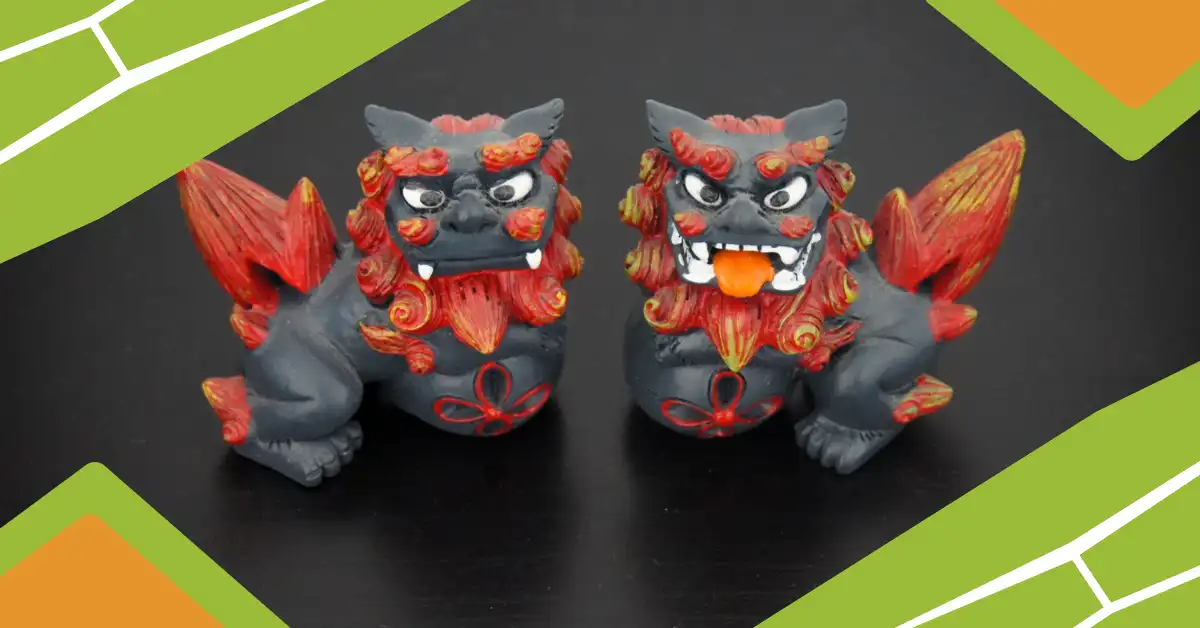
When you stroll through Okinawa’s vibrant streets, one of the first things that catches your eye isn’t just the turquoise ocean or subtropical breeze, it’s the ubiquitous Shisa statues watching silently from rooftops, gateposts, and entrances everywhere. These charming and fierce lion-like figures are more than just ornaments or souvenirs. In fact, Shisa are a powerful symbol of Okinawan belief, serving as protective guardians that have shaped local identity for centuries.
In this article, we’ll explore where the tradition comes from, what these enigmatic figures truly mean, how they are used, and why they continue to captivate both Okinawans and international visitors alike.
What Are Shisa?
At first glance, Shisa may look like whimsical statues, but they are deeply rooted in the spiritual and cultural fabric of Okinawa. A Shisa, often described as a guardian lion or lion-dog, is a mythical creature believed to ward off evil and bring good fortune.
Unlike many decorative artifacts that fade into the background, their presence is unmistakable in Okinawa. Large and small, traditional and contemporary, you’ll find Shisa perched on rooftops, front gates, walls, and even inside homes or businesses. Their placement is deliberate, serving as a visual and spiritual barrier against disaster, misfortune, and negative forces.
Origins and Historical Journey
From Chinese Guardian Lions to Okinawan Tradition
The story of Shisa begins far from the shores of Okinawa, tracing back to ancient guardian lion statues in China, where lions symbolized imperial protection and spiritual strength. As trade and cultural exchange spread through East Asia, these guardian lion traditions traveled to the Ryukyu Kingdom, modern-day Okinawa, around the 14th–15th century.
In China, guardian lions, often called Shi Shi, were placed at palaces, temples, and tombs to guard against evil spirits. Over time, Okinawan craftsmen adapted these ideas, blending them with local beliefs and environmental influences to create the distinctive Shisa forms we recognize today.
A Folk Legend of Protection
One celebrated story from southern Okinawa illustrates just how powerful Shisa can be in local imagination. In the village of Madanbashi, a fearsome dragon was said to have terrorized villagers. During a visit by the Ryukyu king, a priestess noticed a small Shisa figure worn by the king and asked for its help. Legend says that when the figure was raised, a thundering roar rang out, summoning a giant rock that crushed the dragon’s tail and ended its threat forever. From that day forward, the village honored this Shisa, known as Iri-nu, as its guardian.
While folkloric in nature, this tale highlights the deep spiritual importance Okinawans place on these figures, not merely as statues, but as protectors of community, harmony, and safety.
Symbolism and Placement
Shisa are rarely displayed randomly. Their design and position are rich with symbolic intention.
Male and Female Pairing
When presented as a pair, each Shisa plays a different spiritual role:
- Open-mouthed Shisa, usually on the right, symbolizes the act of expelling evil spirits and harmful forces.
- Closed-mouthed Shisa, on the left, represents the idea of keeping good spirits and blessings close.
This yin-yang style pairing reflects a belief in balance, pushing negativity away while preserving positive energy. It echoes similar traditions across Asia, such as the guardians in Japanese temples and Chinese stone lions at imperial entrances, but with local Okinawan interpretations and placements for everyday life.
Strategic Locations
Traditional placement of Shisa is meant to maximize protection:
- Rooftops: Placing them on rooftops was believed to guard the entire household from unseen spiritual threats.
- Gateposts and Entrances: Guarding thresholds, the point where internal life meets the outside world, protects homes and communities from entering misfortune.
- Community Crossroads: Larger Shisa figures in public spaces often serve as both spiritual and cultural landmarks.
These placements signify a pervasive belief in protection, community safety, and spiritual balance.
Shisa in Everyday Okinawan Life
From Folk Object to Cultural Icon
Once exclusively spiritual objects associated with royalty and temples, Shisa have become central to Okinawan daily identity. After World War II, the tradition expanded widely into ordinary homes, and by the late 19th century, there was even a shift from rooftop placements to gatepost pairs as tiled roofs became more common.
Today, Shisa are more diverse in form than ever before. Brightly colored ceramics, handcrafted pottery versions, and even playful, cartoon-like interpretations appear in art, fashion, souvenirs, and design. But regardless of style, most retain the original symbolic framework protection and blessings that makes Shisa beloved.
Craftsmanship and Local Tradition
Shisa figures are not only symbolic but also artistic. Towns like Tsuboya in Naha City are famous for producing Shisa in kiln-fired pottery, each piece reflecting local craftsmanship and centuries-old ceramic traditions. Many visitors to Okinawa participate in workshops to make and paint their own Shisa, strengthening their personal connection to this tradition.
Shisa Beyond Okinawa
Although Shisa remain intrinsically Okinawan, their influence has spread with tourism and global appreciation for Japanese culture. Today, people around the world display Shisa statues as:
- Home décor for positive energy
- Souvenirs or gifts symbolizing protection
- Art pieces reflecting East Asian spiritual motifs
Yet, while their popularity has grown, many Okinawans view these figures not just as trendy items, but as living symbols of tradition, history, and spiritual guardianship deeply anchored in local life.
Conclusion: Why Shisa Matters
From ancient legend to modern rooftops, Shisa bridges the mystical and the everyday. More than decorative statues, they are cultural artifacts that embody Okinawan beliefs in protection, balance, and spiritual harmony. Their unmistakable presence across the islands continues to attract curiosity and admiration from travelers, scholars, and spiritual seekers alike.
Whether you encounter a pair guarding the gate of a humble home or a grand sculpture watching over a community crossroads, Shisa are a reminder of how myth, art, and lived belief can shape cultural identity. In a fast-changing world, these guardian lions still stand firm, watchful, symbolic, and timeless.
Also Read: Japanese Honorifics: Understanding San, Sama, Kun, Chan, and More