Daily Cleaning Routines for Kids: Lessons from Japanese Homes and Schools
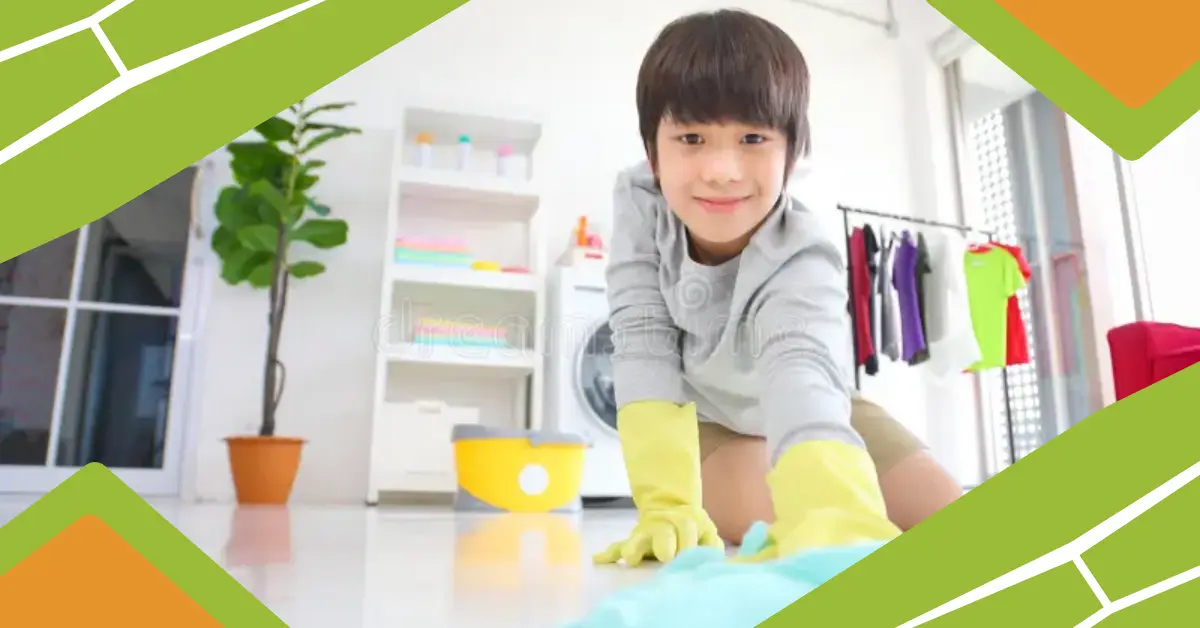
In Japan, cleanliness is more than hygiene it is a deeply embedded cultural value that shapes children’s character, independence, and social responsibility from an early age. Unlike many Western households where chores can feel like a punishment, Japanese children embrace cleaning as a joyful activity and a path toward self-reliance. For parents, this approach eases household management while cultivating habits that last a lifetime. Understanding how Japan integrates cleaning into daily life can provide practical strategies for parents worldwide.
The Japanese Philosophy of Cleanliness
Japanese homes are known for their compact design, with limited storage and highly organized living spaces. This spatial constraint naturally encourages children to keep their surroundings tidy. In households, cleaning is not just about removing dirt; it is a practice of mindfulness, responsibility, and shared family life. Parents guide children with simple, clear rules, often framed as fun challenges or routines rather than strict duties.
The practice also aligns with broader societal norms: schools, public spaces, and workplaces maintain immaculate environments, and children witness this behavior consistently. Growing up in such a context, tidiness becomes a valued skill rather than an imposed chore.
Making Cleaning Fun at Home
For parents, the key is to turn cleaning into an engaging activity. Some effective strategies include:
- Child-sized organization tools: Small bins, low shelves, and labeled containers help children sort toys and personal items independently. Seeing the result of their effort gives them a sense of achievement.
- Gamification: Timers, “cleaning hero” rewards, or points systems can turn tidying into a playful challenge. For instance, children can race against the clock to put away toys or earn stickers for completing tasks.
- Positive framing: Instead of saying “you must clean,” frame tasks as a way to preserve favorite toys, protect pets, or prepare a cozy environment for family time. This reduces feelings of loss and encourages intrinsic motivation.
- Visible rules: Posting simple cleaning routines in shared spaces reinforces expectations without nagging. Rules like “Toys away before playtime” or “Clothes in basket before bedtime” help children internalize habits.
Parents in Japan often report that incorporating these techniques not only teaches responsibility but also nurtures pride in a child’s own accomplishments. As children experience success and autonomy, they are more likely to maintain habits independently.
Schools as Models of Collective Responsibility
One of the most remarkable aspects of Japanese culture is how schools incorporate cleaning into the daily routine. From elementary to high school, students spend 5–15 minutes each day cleaning classrooms, hallways, and even bathrooms. Teachers actively participate, creating a strong sense of equality and teamwork. This daily ritual, known as “souji,” fosters humility, collaboration, and pride in shared spaces.
Year-end cleaning sessions, called o-soji, provide deeper lessons. Surveys conducted by Japan’s Ministry of Education, Culture, Sports, Science, and Technology (MEXT) show that 85% of students feel a stronger connection to their school after participating in these intensive cleanings. Children not only develop practical skills but also internalize respect for community environments, lessons that naturally extend to home life.
Emotional and Lifelong Benefits
Teaching children to clean in a positive, structured way offers more than a tidy room. It cultivates qualities that benefit emotional, social, and cognitive development:
- Sense of accomplishment: Completing tasks independently boosts self-esteem and fosters pride.
- Discipline and work ethic: Daily chores help children learn consistency and accountability.
- Mindfulness and focus: Cleaning routines encourage children to pay attention to detail and take pride in effort.
- Community awareness: Children develop empathy and respect for shared spaces, enhancing cooperation in school, home, and society.
Even outside Japan, these benefits are evident. For example, children in countries like Egypt have adopted similar practices, tidying homes unprompted after exposure to Japanese-style cleaning habits. The lessons transcend geography, proving that cultivating pride in one’s environment fosters independence and social responsibility.
Practical Tips for Parents
Parents seeking to integrate Japanese-style cleaning habits into their homes can adopt several strategies:
- Rotate responsibilities: Assign children different tasks each day or week to maintain variety and prevent boredom.
- Blend games with learning: Older children can earn small rewards or “cleaning points” to reinforce effort while building responsibility.
- Set achievable goals: Tasks should match age and ability. Toddlers can sort toys; school-age children can sweep or wipe tables; older children can handle laundry or kitchen chores.
- Model behavior: Children emulate adults. Parents who tidy alongside their children demonstrate the value of effort, teamwork, and respect for shared spaces.
- Use supportive tools and services: Services like Kurashinity in Japan provide deep-cleaning support, allowing families to maintain structure without overwhelm. Parents can focus on habit formation while external help handles intensive tasks.
- Celebrate achievements: Praise and acknowledgment reinforce habits and make cleaning a source of pride rather than duty.
Integrating Cleaning Into Daily Life
The ultimate goal is for children to view cleaning not as a burden but as a natural part of life. Strategies that work include:
- Establishing short daily routines after meals or before bedtime.
- Framing chores as part of family bonding, like putting away toys together while discussing the day.
- Encouraging peer participation, such as having siblings collaborate or older children mentor younger ones.
- Linking cleaning to personal benefits, such as a clutter-free play area or a cozy study space.
Through these practices, children internalize habits that serve them for life. They learn that a tidy space contributes to a calm mind, and that contributing to communal environments builds trust, pride, and empathy.
Cultural and Psychological Insights
Japanese cleaning traditions align with Zen principles, where simplicity and order reflect inner harmony. Children are taught that a clean environment is a reflection of respect for themselves and others. This philosophy enhances mindfulness, emotional regulation, and personal responsibility. Even in compact apartments, a clean room can provide a sense of control and accomplishment that resonates psychologically.
Schools reinforce these values, turning small acts of tidying into shared cultural rituals. The result is a generation of children who approach life with a balance of independence, humility, and community awareness.
Conclusion
Teaching children to clean in Japan is more than instilling household skills it is a thoughtful cultural practice that fosters independence, pride, and social responsibility. By turning cleaning into a playful, structured activity, parents can nurture lifelong habits while easing daily routines. Schools reinforce this philosophy, modeling teamwork, equality, and shared ownership of spaces.
For parents worldwide, the Japanese approach offers valuable lessons: frame cleaning as fun, celebrate progress, provide supportive tools, and involve children in meaningful tasks. By embracing these strategies, every wiped surface, folded shirt, and organized toy becomes a step toward raising responsible, confident, and mindful children. In essence, cleaning is not just a chore it is a joyful path to growth, belonging, and pride.
Also Read: Volunteering in Tokyo: A Heartfelt Guide for Expats & Newcomers