Japan’s Culture of Cleanliness: The Hidden Philosophy Behind a Spotless Nation
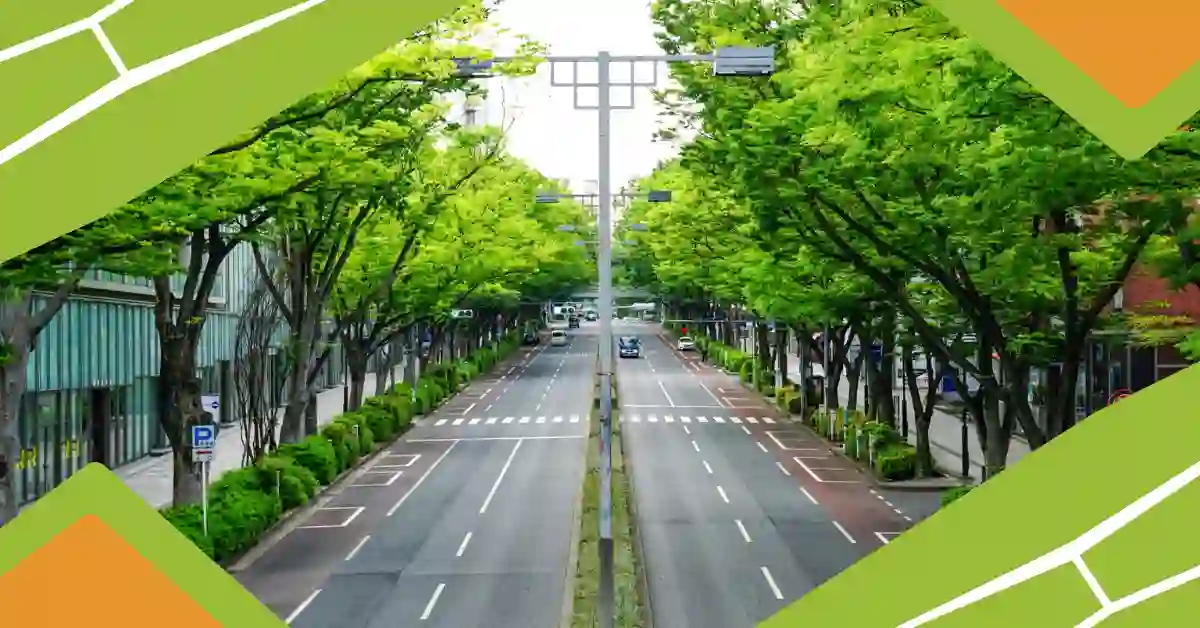
Walk through the streets of Tokyo or any major city in Japan, and one thing immediately stands out: the remarkable cleanliness. Streets are spotless, public spaces are pristine, and even the busiest train stations feel orderly and well-maintained. What makes this even more fascinating is the absence of public trash bins in many areas. Yet, litter is almost nonexistent.
This isn’t a coincidence or the result of strict enforcement alone it’s a deeply rooted cultural phenomenon shaped by centuries of tradition, education, and collective responsibility. Japan’s approach to cleanliness offers valuable lessons not just in hygiene, but in mindset, discipline, and respect for shared spaces.
The Spiritual Roots of Cleanliness in Japan
Japan’s cleanliness culture begins with its spiritual foundations, particularly Shinto and Zen Buddhism. In Shinto belief, purity is essential, and impurity known as “kegare” is something to be cleansed regularly. This isn’t limited to physical dirt but extends to spiritual and emotional states.
At Shinto shrines, visitors perform ritual purification by washing their hands and rinsing their mouths before entering. This act symbolizes not only physical cleanliness but also mental clarity and respect for sacred spaces. The idea that cleanliness reflects inner purity has quietly influenced everyday life across Japan.
Zen Buddhism reinforces this philosophy by treating cleaning as a form of meditation. Activities like sweeping, wiping, and organizing are not seen as chores but as mindful practices. Cleaning becomes a way to focus the mind, cultivate discipline, and maintain harmony between oneself and the environment.
Cleanliness as a Core Part of Education
One of the most distinctive aspects of Japanese culture is how cleanliness is taught from a young age. In schools across Japan, students participate in a daily cleaning routine known as “o-soji.”
Instead of relying on janitors, children clean their own classrooms, hallways, and even restrooms. This practice instills several lifelong values:
- Responsibility: Students take ownership of their environment
- Respect: They learn to appreciate shared spaces
- Teamwork: Cleaning is done in groups, fostering cooperation
- Humility: No task is considered beneath anyone
These lessons extend far beyond school walls. By the time students grow up, cleanliness is no longer a rule it becomes second nature.
This approach contrasts sharply with many other countries, where cleaning is often outsourced. In Japan, the act of cleaning is not just functional; it is moral and social training.
A Society Built on Collective Responsibility
Cleanliness in Japan thrives because of a powerful social principle: shared responsibility. The idea is simple public spaces belong to everyone, so everyone must take care of them.
This mindset is reflected in everyday behaviors:
- People carry their trash home instead of searching for bins
- Smokers use portable ashtrays
- Communities organize regular neighborhood cleanups
- Businesses maintain the areas in front of their shops
There’s also a cultural concept often summarized as “clean beyond your own space.” This means individuals are expected to maintain not just their immediate surroundings but also contribute to the cleanliness of the broader community.
Because of this, social pressure not strict law enforcement plays a major role. Littering is rare not because of fear of punishment, but because it goes against deeply ingrained social norms.
The Role of Infrastructure and History
Interestingly, Japan’s cleanliness is not dependent on convenience. In fact, the lack of public trash bins in cities like Tokyo surprises many visitors.
This situation partly stems from security measures introduced after the Tokyo subway sarin attack, when many public bins were removed. Instead of leading to more litter, the change reinforced personal responsibility.
Additionally, local governments and communities work together to maintain cleanliness through:
- Efficient waste separation systems
- Strict recycling rules
- Scheduled garbage collection days
- Clear labeling and public education
These systems are supported by citizens who willingly follow them, ensuring smooth and effective waste management.
Cleanliness in Public Events and Daily Life
Japan’s culture of cleanliness becomes especially visible during large public events. After sports matches, festivals, or concerts, it’s common to see attendees cleaning up their own trash before leaving.
This behavior gained global attention during international sporting events, where Japanese fans stayed behind to tidy stadiums even when their team lost. These acts were widely praised as symbols of respect and discipline.
Another famous example is the efficiency of Japan’s high-speed rail system, the Shinkansen. Cleaning crews perform what is often called the “7-minute miracle,” transforming train cars between trips with remarkable speed and precision.
These moments highlight a key idea: cleanliness is not a task it’s a reflection of identity and pride.
The Influence of Design and Innovation
Japan’s approach to cleanliness is also supported by thoughtful design and innovative tools. Everyday products are created to make cleaning easier, faster, and even enjoyable.
From lint rollers to advanced cleaning sprays, Japanese products emphasize:
- Efficiency
- Ease of use
- Environmental friendliness
- Compact design
Homes and public spaces are also designed with cleanliness in mind. Features like removable shoes indoors, minimalistic interiors, and organized storage systems help reduce clutter and dirt.
This integration of design and habit ensures that maintaining cleanliness requires less effort, making it sustainable over time.
Social Norms and the Power of Example
One of the most powerful drivers of cleanliness in Japan is social expectation. People are influenced by what they see around them. When environments are clean, individuals feel compelled to keep them that way.
This aligns with the broader idea that behavior is shaped by surroundings. A clean street encourages more cleanliness, while a dirty one invites neglect.
In Japan, the consistent standard of cleanliness reinforces itself. Each person contributes, and the result is a society where order and hygiene are the norm rather than the exception.
Lessons the World Can Learn
Japan’s cleanliness is often admired, but it’s not something that can be replicated overnight. It is the result of generations of cultural development, education, and shared values.
However, there are key lessons that can be applied anywhere:
1. Start with Education
Teaching children responsibility and respect for shared spaces creates long-term impact.
2. Encourage Personal Accountability
When individuals take ownership, public systems become more effective.
3. Design for Simplicity
Making cleaning easy increases the likelihood that people will do it consistently.
4. Build Social Norms
Positive behaviors spread when they are visible and widely practiced.
5. Connect Cleanliness to Values
When cleanliness is linked to pride, respect, and identity, it becomes meaningful.
Beyond Cleanliness: A Reflection of Culture
Ultimately, Japan’s cleanliness is not just about hygiene it is a reflection of deeper cultural principles. Respect for others, attention to detail, discipline, and harmony all play a role.
Clean streets and organized spaces are simply the visible outcomes of these values. What truly sets Japan apart is not the absence of trash, but the presence of a mindset that prioritizes collective well-being.
Conclusion
Japan’s reputation for cleanliness is well-earned, but it is often misunderstood. It is not driven by strict rules or constant enforcement. Instead, it is the result of a cultural ecosystem where spirituality, education, community, and design work together seamlessly.
From the quiet rituals of Shinto purification to the disciplined routines in schools and the shared responsibility in public life, cleanliness in Japan is a way of living.
It teaches an important lesson: a clean environment is not created by systems alone, but by people who care deeply about the spaces they share.
In a world struggling with waste and urban challenges, Japan’s example stands as a powerful reminder true cleanliness begins within, and when nurtured collectively, it can transform an entire nation.
Also Read: Fukuri Kosei: Japan’s Heartfelt Employee Benefits System