Japan’s Real-Life Anime Locations: Explore Iconic Spots and Step Into Your Favorite Worlds
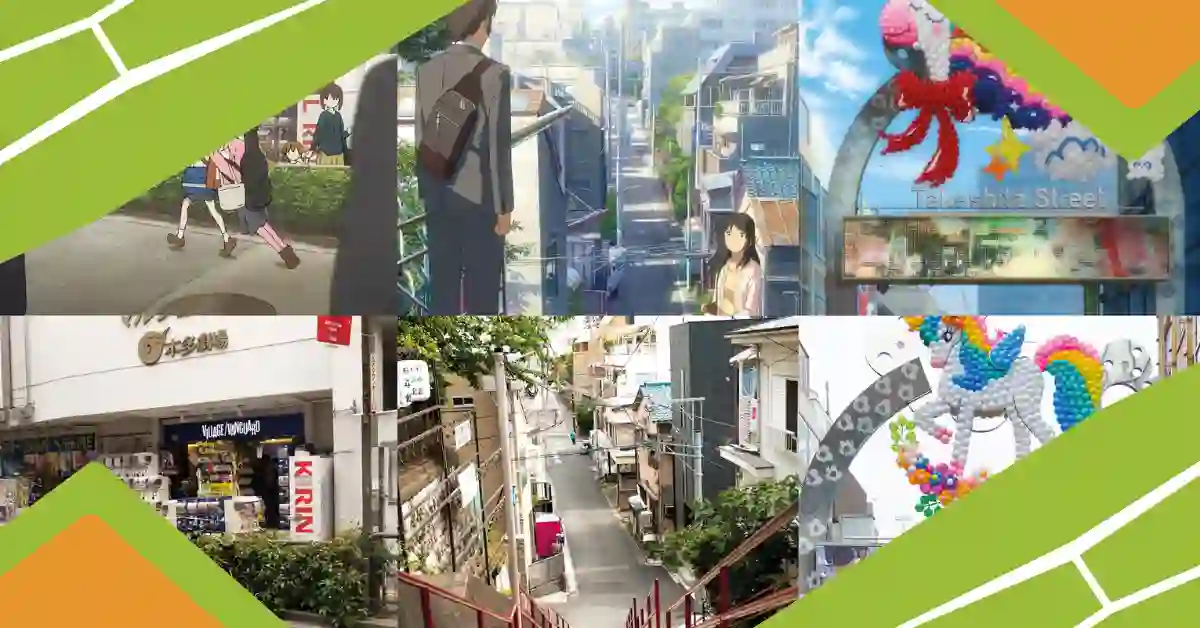
Japan is a treasure trove of anime inspiration, where real-life locations blend seamlessly with fictional worlds. For anime fans, visiting these sites is more than tourism—it’s a pilgrimage into the heart of stories they love. From bustling urban districts to serene natural landscapes, Japan’s diverse scenery has shaped some of the most iconic anime series and films. This phenomenon, often called anime tourism, invites enthusiasts to explore the exact streets, temples, and neighborhoods depicted on screen.
Whether you’re chasing the neon glow of Tokyo’s cityscape, strolling through historic shrines, or standing atop misty mountain peaks, Japan offers countless opportunities to bring your favorite anime to life. Here’s a comprehensive guide to the country’s real-life anime locations, along with practical tips for making the most of your journey.
Iconic Urban Settings for Anime Fans
Akihabara, Tokyo: The Ultimate Otaku Paradise
No list of real-life anime locations is complete without Akihabara. This vibrant Tokyo district pulses with electronics shops, maid cafés, and manga stores, serving as the backdrop for the sci-fi classic Steins;Gate. Iconic landmarks like Radio Kaikan, Akihabara Station, and Yanagimori Shrine are faithfully recreated in the series, offering fans an immersive experience where fiction meets reality. Walking through Akihabara feels like stepping into the anime itself, with every alleyway and neon sign evoking the essence of otaku culture.
Asakusa, Tokyo: A Glimpse of Taisho-Era Japan
Asakusa’s Kaminarimon Gate and historic streets transport visitors to the Taisho era, famously depicted in Demon Slayer: Kimetsu no Yaiba. Here, Tanjiro’s fateful encounter with Muzan comes alive amid traditional shops and cobblestone streets, creating a powerful sense of nostalgia. Photography enthusiasts and anime pilgrims alike are drawn to Asakusa’s atmospheric lanes, where the past and present coexist in perfect harmony.
Shibuya Crossing: Heart of the Action
The world-famous Shibuya Scramble Crossing sets the stage for intense sequences in Jujutsu Kaisen. Known for its chaotic energy, Shibuya embodies the high-stakes, fast-paced vibe of Tokyo’s urban life. Fans often flock to this intersection to recreate memorable scenes, making it a must-visit for any anime itinerary.
Coastal and Island Inspirations
Numazu, Shizuoka: Love Live! Sunshine!!
Numazu’s serene Uchiura Bay inspired the idyllic coastal scenes in Love Live! Sunshine!!. From the waterfront promenades to local streets, many locations are replicated with striking fidelity. Fans often report a sense of awe when encountering familiar landmarks, making Numazu a top destination for anime-inspired seaside adventures.
Enoshima and Fujisawa, Kanagawa: Rascal Does Not Dream of Bunny Girl Senpai
The sunny beaches, train stations, and urban streets of Enoshima and Fujisawa appear almost frame-for-frame in Rascal Does Not Dream of Bunny Girl Senpai. Walking along these locations, fans can retrace the steps of Sakuta and Mai, bringing the anime’s romantic and whimsical moments into real life.
Kamakura: Slam Dunk Nostalgia
Kamakura’s iconic Enoden railway line provides the setting for the basketball-themed anime Slam Dunk. The nostalgic charm of the railway and surrounding streets evokes memories of friendship, sportsmanship, and the trials of youth. For many, visiting Kamakura is a journey into both anime history and Japanese culture.
Historic and Spiritual Sites
Dogo Onsen, Ehime: Spirited Away’s Magical Bathhouse
Dogo Onsen, one of Japan’s oldest hot springs, is said to have inspired Hayao Miyazaki’s Spirited Away. Its traditional architecture, wooden façades, and serene atmosphere capture the mystical essence of Chihiro’s adventure. Visitors can soak in the springs while imagining themselves stepping into an animated world of spirits and wonder.
Suga Shrine, Tokyo: Your Name’s Fateful Steps
Tokyo’s Suga Shrine, with its iconic 26-step staircase, features prominently in Your Name. Fans visit the shrine to experience the poignant meeting point of Taki and Mitsuha, where themes of love, fate, and destiny converge. Photographers especially enjoy capturing the stairway from different angles, recreating the anime’s cinematic magic.
Omi-jingu Shrine, Otsu: Serene Anime Retreat
Omi-jingu Shrine in Otsu offers a peaceful backdrop seen in various anime. Its tranquil grounds and timeless architecture make it a favorite for fans seeking both spiritual reflection and an anime-inspired escape.
Natural and Adventure Spots
Ittoseki Split Boulder, Nara: Demon Slayer’s Training Ground
The Ittoseki Split Boulder in Nara serves as Tanjiro’s training site in Demon Slayer. Slicing this massive rock symbolizes determination and growth, making it a motivational landmark for visitors. Hiking to this site combines adventure with a tangible connection to the anime world.
Mt. Kumotori: Kamado Family Home Inspiration
Spanning Tokyo, Saitama, and Yamanashi, Mt. Kumotori is believed to inspire the Kamado family home in Demon Slayer. Its misty peaks and expansive forests echo the resilience and humility of the series’ protagonists. Nature lovers and anime fans alike find the climb both challenging and deeply rewarding.
Lake Ashi, Hakone: Neon Genesis Evangelion
Hakone’s Lake Ashi offers a stunning natural setting linked to Neon Genesis Evangelion. With its reflective waters and majestic mountains, the lake provides a contemplative atmosphere that mirrors the anime’s existential themes. It’s a must-see for fans seeking to experience the harmony of anime storytelling and natural beauty.
Anime Tourism: Tips for Fans
Japan has embraced anime tourism wholeheartedly. Many local tourist offices provide anime pilgrimage maps, highlighting famous locations across all 47 prefectures. For example, Oarai in Ibaraki celebrates Girls und Panzer with tank parades, life-sized cutouts, and themed events, turning the town itself into a living homage.
When planning your anime pilgrimage, consider these tips:
- Research Seasonality: Some sites are more photogenic during cherry blossom season or autumn foliage.
- Local Etiquette: Respect sacred spaces and private properties when visiting shrines or residential streets.
- Use Public Transport: Many anime locations are accessible via trains and buses, making travel convenient.
- Document Your Journey: Many fans share photos and videos on social media, adding to the global anime community experience.
Conclusion
Japan’s real-life anime locations offer an unparalleled way to step into your favorite stories. From the electrifying streets of Akihabara to the serene temples of Omi-jingu, the country merges fiction with reality in ways that are visually stunning and emotionally resonant. Whether you’re seeking urban excitement, coastal charm, historic serenity, or natural adventure, Japan’s anime spots provide something for every fan.
These pilgrimages not only enhance the anime experience but also contribute to local economies, demonstrating the cultural and commercial impact of anime tourism. For fans, walking through these locations is more than sightseeing—it’s stepping into the very heart of the stories they cherish.
If you dream of living out iconic anime moments, Japan’s anime-inspired destinations are waiting, ready to transform fiction into unforgettable reality.