The Conflict-Avoiding Culture of Japan: How Harmony Shapes Daily Life
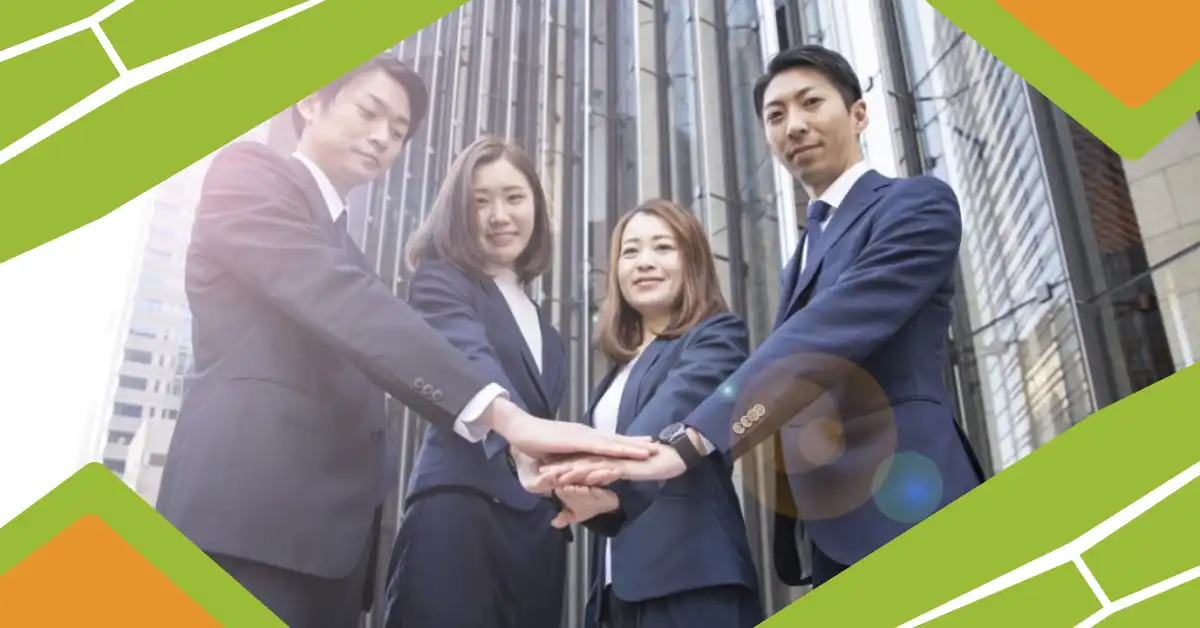
In Japan, public conflict is rare, almost whisper-like in its subtlety, reflecting a deep-rooted cultural principle known as wa the sacred harmony that holds society together. Unlike many cultures where disagreements can erupt into loud confrontations, Japanese interactions are defined by restraint, politeness, and a conscious effort to maintain peace. On a busy Tokyo street, for instance, tensions that might escalate elsewhere are often resolved through silence, soft words, or subtle gestures, preserving both dignity and social cohesion. This approach isn’t merely a social courtesy it’s a reflection of a profound commitment to collective well-being, where any overt display of anger can brand the speaker as inconsiderate or socially negligent.
Understanding Wa: The Heartbeat of Japanese Society
At its core, wa emphasizes harmony over personal assertion. Japanese people are taught from childhood to consider the group’s feelings before their own, prioritizing social balance over confrontation. Public arguments are almost non-existent, and even minor disagreements are usually handled delicately to avoid haji the shame and embarrassment that can linger far longer than any temporary dispute. A raised voice is not just seen as impolite; it signals a breakdown in empathy and respect, fracturing the subtle social fabric that keeps communities functioning smoothly.
Early life in Japan instills this ethos through lessons in etiquette, bowing, and hierarchical respect. As Sean Narron explains in his cultural commentary, children learn to internalize restraint and navigate disagreements quietly, turning potential chaos into calm coexistence. This approach to conflict fosters an environment where civility is instinctive, and harmony is considered more valuable than personal victory.
Japanese Strategies for Conflict Management
Japanese culture has developed numerous methods for handling friction without confrontation, each reflecting empathy, subtlety, and respect for others:
1. Silence and Avoidance
One of the most common tools in Japanese conflict management is silence. Often, the kindest response to tension is no response at all. Instead of arguing, individuals may let disagreements fade, preserving peace and allowing the situation to resolve naturally. According to an article on constructive criticism by Rise Corp, opting for a silent acknowledgment rather than confrontation is frequently the most effective path to social harmony.
2. Indirect Communication
Direct refusal or criticism is rare. Japanese people often use nuanced language, softening disagreement with words like “perhaps” or averted eye contact. This indirect style protects the other party’s feelings while conveying the necessary message. As explained by Omakase Tokyo, ambiguity is a form of courtesy, allowing both parties to save face while avoiding tension.
3. Hierarchical Deference
Respect for age, rank, and status is integral to Japanese communication. When addressing elders or superiors, deference helps diffuse potential conflicts before they arise. A simple bow or polite phrasing demonstrates acknowledgment and prevents minor disagreements from escalating.
4. Third-Party Mediation
When silence or indirect communication isn’t enough, intermediaries often step in. Trusted colleagues or friends convey sensitive messages on behalf of others, ensuring that neither party loses face (kao). This method reflects a profound cultural commitment to empathy and discretion, keeping conflicts contained and relationships intact.
5. Honne and Tatemae: Private vs. Public Selves
The Japanese distinction between honne (true feelings) and tatemae (public facade) is central to maintaining harmony. While internal frustrations or opinions may be deeply felt, outward behavior emphasizes calmness and composure. This duality is often misunderstood as duplicity by outsiders, but it represents a mature understanding of social responsibility and group cohesion.
6. The Low-Voice Principle
Even when disagreements surface, Japanese people typically lower their voices. Loud arguments are viewed as selfish and socially disruptive. Reddit users in Japan frequently note that maintaining a soft, calm tone even in conflict is a critical aspect of preserving harmony.
This philosophy is summed up in the Japanese proverb: “The nail that sticks out gets hammered down.” While it enforces conformity, it is not rigid oppression; rather, it is a gentle insistence on collective care and mutual respect.
When Harmony Faces Challenges
While wa dominates Japanese social interactions, it is not absolute. Severe threats to safety, for instance, break the usual calm, prompting discreet action from bystanders or the police rather than public heroics. Drunken arguments occasionally erupt in social settings like izakayas, but public disapproval and subtle interventions quickly restore order.
In workplaces, Japanese managers often rely on sontaku anticipating and addressing issues before they become conflicts. This proactive approach ensures that workplace harmony is preserved, fostering loyalty, trust, and a familial sense of community. According to GaijinPot, this anticipatory method of conflict resolution minimizes disruption while reinforcing social bonds.
The Double-Edged Nature of Japanese Harmony
The benefits of Japan’s conflict-avoidant culture are undeniable. Streets remain safe, communities are tightly knit, and social interactions are remarkably smooth. The emphasis on restraint and empathy produces a society where patience and understanding are not just virtues but practical necessities for daily life.
Yet, this serenity carries a cost. Unexpressed frustrations can accumulate, and foreign residents often struggle with the absence of direct communication, yearning for the unfiltered honesty of their home cultures. Reddit discussions highlight how this silent tension can feel isolating for newcomers, despite the apparent calm and order.
Nonetheless, Japan offers a powerful lesson in the quiet strength of empathy and social intelligence. Avoiding conflict here is not a sign of weakness but a deliberate strategy to sustain collective well-being. In a world dominated by noise and impulsive reactions, Japan demonstrates how subtlety, patience, and respect for others can create a society that thrives on harmony.
Key Takeaways for Visitors and Expats:
- Speak softly and avoid public confrontations.
- Use indirect language to decline or critique.
- Respect hierarchical norms and age-based authority.
- Trust intermediaries to handle sensitive communication.
- Recognize the distinction between private feelings (honne) and public demeanor (tatemae).
- Observe restraint as a mark of social maturity, not weakness.
By understanding these principles, one can navigate Japanese society with grace, respect, and a deeper appreciation for the subtle art of conflict avoidance.
Conclusion
The conflict-avoiding culture of Japan is a testament to the enduring power of wa. Through avoidance, indirect communication, hierarchical deference, mediation, and the balancing act of honne and tatemae, Japanese society exemplifies a unique mastery of social harmony. While it presents challenges for outsiders and carries its own emotional weight, the system’s elegance lies in its ability to convert potential discord into quiet coexistence.
For anyone interested in understanding Japan’s social fabric, appreciating wa is essential. It shapes behavior, governs interactions, and defines the delicate equilibrium that keeps Japanese life serene yet deeply connected. Here, harmony is not a superficial veneer it is the lifeblood of a society that values peace over pride, empathy over ego, and collective well-being over personal assertion.