Seven-Eleven Japan Launches Major “Onigiri Super Sale” with Rice Balls as Low as 100 Yen from March 5
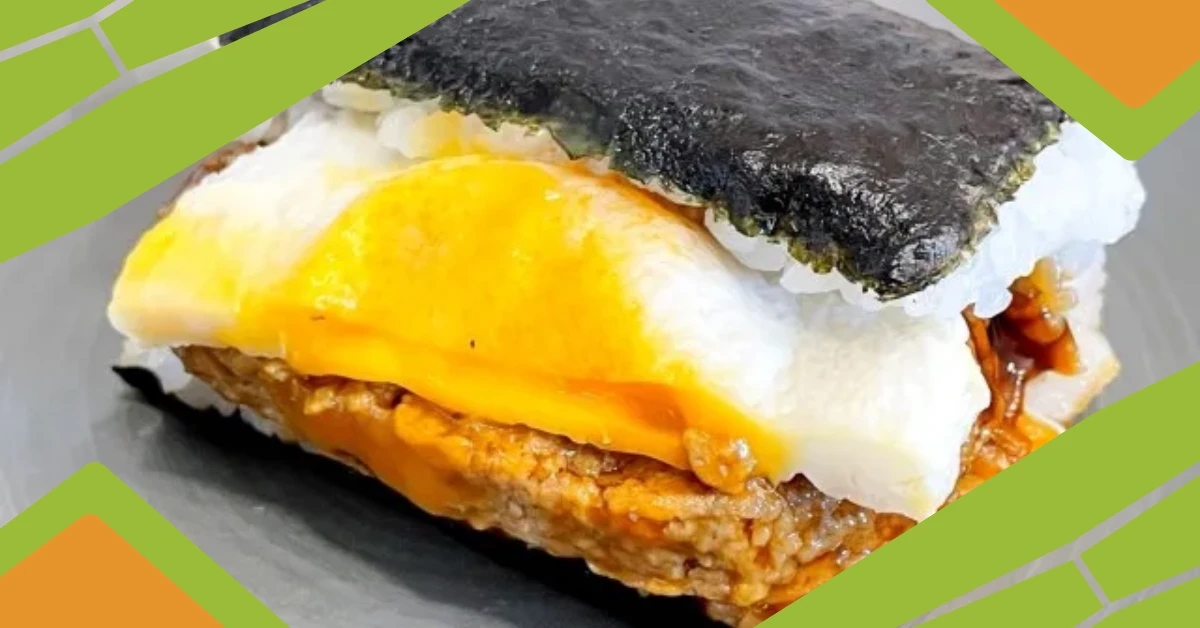
Starting Thursday, March 5, 2026, Seven-Eleven Japan is rolling out one of the largest onigiri (rice ball) discount campaigns in recent years. For three days, from March 5 to March 7, selected onigiri and sushi items at Seven-Eleven stores nationwide will be offered at deeply reduced prices, some as low as 100 yen. This price represents a significant reduction from standard prices and is one of the most attractive offers seen in the convenience store sector in recent years.
The campaign is more than a simple sale. It reflects broader trends in Japanese retail, food inflation, and consumer habits. This article provides a detailed overview of the promotion, the items included, and the context surrounding convenience store food in Japan.
Sale Details
The campaign is officially titled “Morning Genki – Onigiri and Sushi Super Sale” and runs for three days, from March 5 to March 7, 2026.
Prices will be discounted according to the standard price of each item:
- 100 yen (excluding tax) for onigiri and sushi items normally priced up to 179 yen.
- 150 yen (excluding tax) for items priced between 180 and 239 yen.
- 200 yen (excluding tax) for items priced between 240 and 359 yen.
After tax, these prices range roughly from 108 to 216 yen at the register. Products originally priced 360 yen or more are not included. The discounts apply to in-store purchases at standard Seven-Eleven locations across Japan, although some regional restrictions may apply.
Significance of the Sale
This promotion is notable for several reasons. First, it represents a return to ultra-low prices. Japan’s onigiri traditionally cost between 100 and 120 yen decades ago. In recent years, prices have steadily increased due to inflation, rising ingredient costs, and supply chain pressures. Premium onigiri now often cost 200 to 300 yen or more, making this promotion especially attractive. Consumers can save between 50 and 150 yen per item compared to typical prices.
Second, the sale demonstrates the competitive strategies of convenience stores in Japan. Stores such as Seven-Eleven, Lawson, and FamilyMart frequently use promotions to attract daily shoppers. Onigiri and sushi are staples in Japanese life, consumed for breakfast, lunch, snacks, and quick dinners. By offering deep discounts for a limited time, Seven-Eleven aims to increase foot traffic and encourage additional purchases while competing with rival chains.
Third, the sale reflects broader economic factors. Rising rice costs, influenced by weather, labor, and global economic conditions, have contributed to higher prices for convenience store food. This promotion signals a strategic effort to balance consumer affordability with the current economic environment.
How the Sale Works
The sale runs from March 5 to March 7 during normal store hours. There are no specific restrictions on the time of day, although the promotion title emphasizes morning hours. Selected onigiri and sushi items are included, while frozen items or certain online purchases may not qualify. Coupons can be used in addition to the sale discount. Stock availability may vary by store.
Types of Onigiri Included
Seven-Eleven Japan offers a wide array of rice balls, from simple salted varieties to premium items with rich fillings. Popular options include grilled salmon, tuna mayonnaise, spicy cod roe, teriyaki chicken, and mixed rice varieties. While some newly released premium items, such as large omelet-flavored rice balls, may not be eligible for the 100-yen price, the promotion still covers a wide range of staple and popular options.
Public Reaction and Cultural Context
Previous promotions offering similar discounts on onigiri have generated considerable public interest. In June 2025, a three-day sale attracted enthusiastic responses online, with many consumers appreciating the opportunity to purchase rice balls at nostalgic prices. Rising convenience store food prices have been a topic of discussion in online forums, with some lamenting higher costs while others note improvements in quality or flavor. This March promotion combines affordability, nostalgia, and everyday convenience store culture, highlighting the continued importance of onigiri in Japanese daily life.
Broader Convenience Store Promotions
The onigiri sale coincides with other seasonal promotions at Seven-Eleven in March 2026, such as discounts on frozen foods when multiple items are purchased together. These campaigns illustrate how convenience store chains maintain dynamic pricing and value-focused promotions throughout the season.
Conclusion
The Seven-Eleven Japan Onigiri Super Sale, beginning on March 5, offers a unique opportunity for consumers to enjoy a staple of Japanese cuisine at significantly reduced prices. With rice balls priced as low as 100 yen, this promotion is a noteworthy event for bargain seekers and regular convenience store shoppers alike. The campaign exemplifies strategic retail promotion, affordability in the context of rising food costs, and the enduring cultural significance of onigiri in Japan.
This three-day sale is an opportunity for customers to rediscover the simplicity and enjoyment of Japanese rice balls while experiencing one of the most attractive pricing campaigns in recent years.