Van Gogh Exhibition in Fukushima Draws Thousands on National Holiday
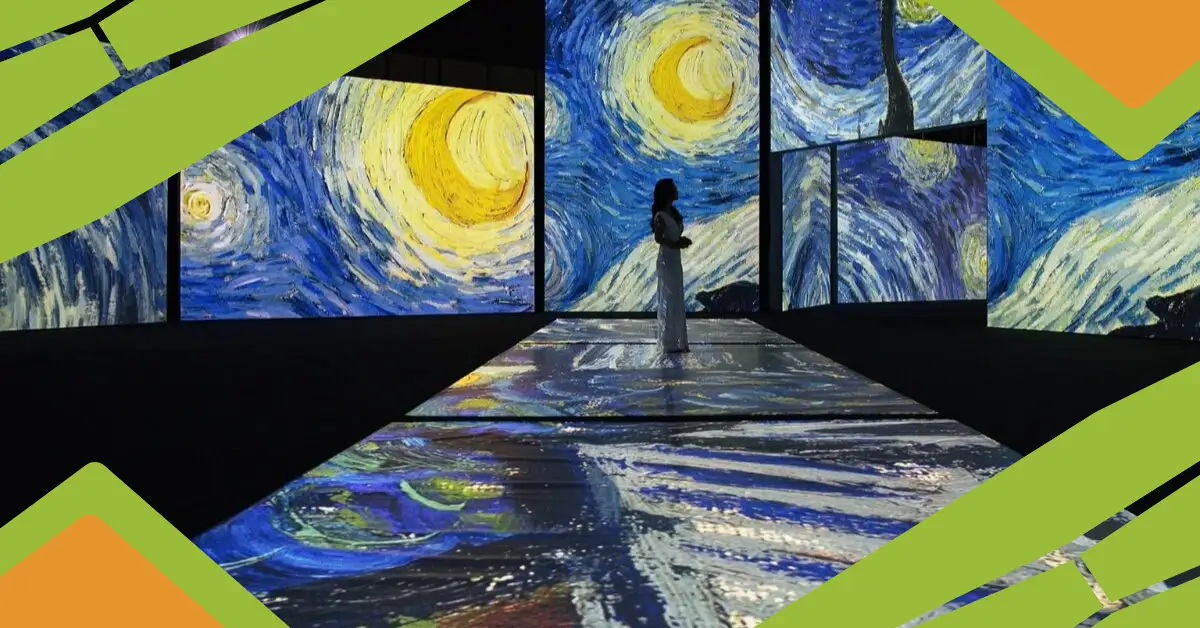
On the final day of Japan’s recent long weekend, thousands of visitors from both inside and outside Fukushima Prefecture flocked to the Van Gogh Exhibition at the Fukushima Prefectural Museum of Art in Fukushima City, creating long lines even before the museum opened. The exhibition, which opened on February 21, 2026, has quickly become one of the most talked-about cultural events in the region.
The remarkable turnout highlights not only the enduring appeal of Vincent van Gogh’s art but also the significance of bringing world-class exhibitions to regional Japan, supporting cultural engagement and community revitalization.
“Van Gogh Exhibition: Terrace of a Café at Night”
The exhibition, officially titled “Van Gogh Exhibition: Terrace of a Café at Night”, features a curated selection of Van Gogh’s masterpieces, primarily from the Kröller-Müller Museum in the Netherlands. Visitors can experience works spanning Van Gogh’s early Dutch period, his Parisian influences, and the vibrant landscapes of Arles in southern France.
Among the highlights is the iconic painting “Terrace of a Café at Night”, a piece rarely displayed in Japan and celebrated for its vivid night-time palette and emotional depth. The exhibition runs through May 10, 2026, and has been designed to provide both visual and educational experiences, including digital installations and interactive multimedia features.
This exhibition is also part of a broader cultural initiative, commemorating Fukushima Prefecture’s 150th anniversary and reflecting the region’s ongoing cultural revitalization following the 2011 earthquake and nuclear disaster.
Record Crowds on the Final Holiday
On February 23, 2026, the exhibition drew an unprecedented crowd, with visitors forming long queues outside the museum before opening hours. People traveled from across Japan to see the collection, making it a notable cultural event that highlighted both local enthusiasm and national interest in Van Gogh’s work.
Visitors praised the museum for its organization, accessibility, and the unique opportunity to experience world-class art in Fukushima, far from major urban centers like Tokyo or Osaka. The museum has also provided audio guides, educational materials, and interactive displays, making Van Gogh’s work accessible to a wide range of audiences, including children and first-time art enthusiasts.
Why the Exhibition Matters
Celebrating Van Gogh’s Legacy
Vincent van Gogh (1853–1890) remains one of the most influential and beloved artists in history. Known for his bold use of color, emotional depth, and expressive brushwork, Van Gogh’s works continue to captivate audiences worldwide. Exhibitions like this allow visitors to connect with his artistic journey and understand the emotional and historical context behind his paintings.
Promoting Cultural Revitalization in Fukushima
Hosting a world-class exhibition in Fukushima is culturally and socially significant. The region, still rebuilding after the 2011 earthquake and nuclear disaster, benefits from events that draw tourism, support local businesses, and foster civic pride. This exhibition reinforces Fukushima’s image as a vibrant cultural hub in Tōhoku.
Educational and Community Impact
The Van Gogh Exhibition provides an opportunity for educational engagement. Schools, art groups, and community organizations have leveraged the exhibition to teach art history, explore creative techniques, and inspire students. By combining traditional art displays with digital and interactive experiences, the museum has made the exhibition both informative and engaging for visitors of all ages.
Exhibition Highlights
“Terrace of a Café at Night”
This masterpiece is a centerpiece of the exhibition, famed for its luminous night-time scene and vibrant use of color. Its presence in Japan is rare, attracting art enthusiasts eager for a close-up experience.
A Journey Through Van Gogh’s Life
The exhibition traces Van Gogh’s artistic evolution:
- Early works from the Netherlands
- Parisian influences and the Impressionist style
- Vibrant landscapes and portraits from southern France
This timeline provides insight into his growth as an artist and the development of his unique style.
Interactive and Digital Displays
Collaborations with technology partners have allowed the museum to enhance visitor experiences through digital projections, interactive art stations, and immersive storytelling that complements the traditional exhibition.
Visitor Information
- Location: Fukushima Prefectural Museum of Art, Fukushima City
- Dates: February 21 – May 10, 2026
- Hours: 9:30 a.m. to 5:00 p.m. (last entry at 4:30 p.m.)
- Tickets: Available online with options for general admission and special packages
- Access: Easily reachable by public transportation, including rail and bus services
Visitors are encouraged to purchase tickets in advance, especially during weekends and holidays, as the exhibition continues to draw large crowds.
Looking Ahead: Van Gogh in Japan
After Fukushima, the exhibition will tour other major Japanese cities, including Tokyo, where additional masterpieces will be showcased at renowned institutions such as the Ueno Forest Museum. The touring nature of the exhibition ensures that art lovers throughout Japan will have the opportunity to experience Van Gogh’s works, further cementing his global cultural significance.
Conclusion
The Van Gogh Exhibition at the Fukushima Prefectural Museum of Art is more than a display of artwork — it is a celebration of art, culture, and community. The exhibition has drawn thousands from across Japan, showcasing the enduring power of Van Gogh’s legacy and the growing cultural vibrancy of regional Japan.
For anyone passionate about art, history, or cultural experiences, visiting the Van Gogh Exhibition in Fukushima offers a rare and unforgettable opportunity to experience one of the world’s greatest artists in a meaningful, immersive setting.