Quiet Carriages and Social Norms on Public Transport in Japan
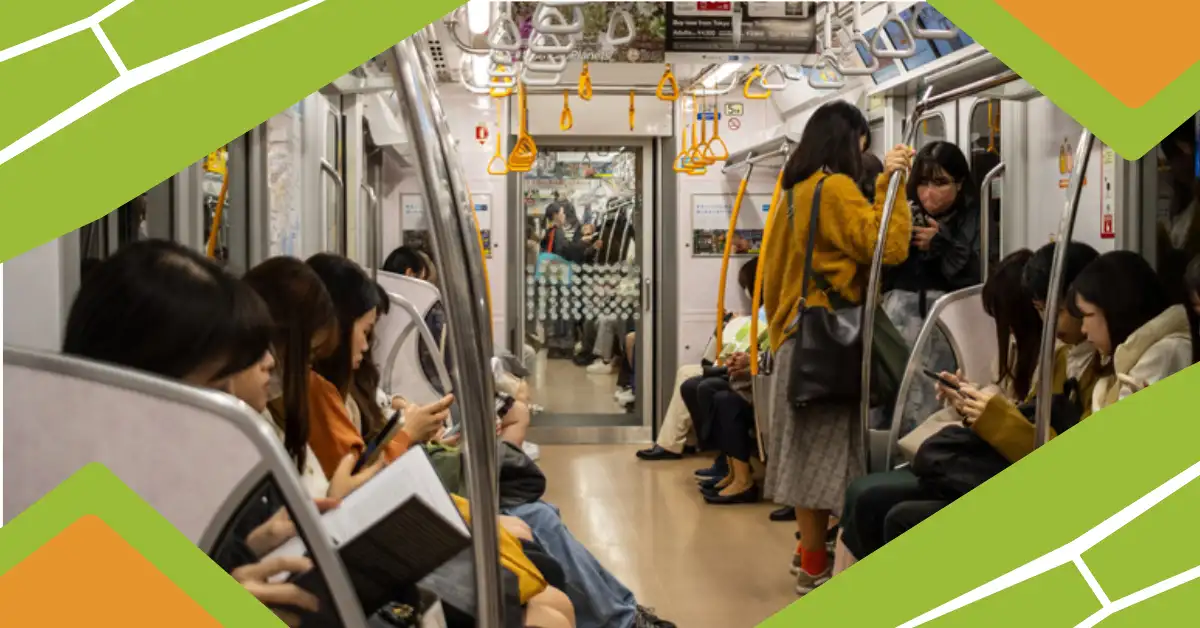
Public transport in Japan is not just a means to get from one place to another-it is a reflection of social values, mindfulness, and respect for others. Among the many unique features of Japanese trains is the concept of quiet carriages, spaces designed to allow passengers to travel without unnecessary noise or distraction. These carriages are a window into the culture of consideration, highlighting the ways social norms shape everyday life.
Quiet carriages are part of a broader ethos in Japan where public behavior emphasizes harmony, order, and shared responsibility. They demonstrate that public spaces can be both functional and respectful, offering a model for thoughtful, collective living.
The Purpose of Quiet Carriages
Quiet carriages were introduced on Japanese trains to provide passengers with a space where they can relax, read, or work without interruptions. Mobile phones are typically set to silent, and conversations are minimized.
The goal is to create a peaceful environment in the midst of bustling cities and crowded trains. Business travelers, students, and tourists alike can benefit from the calm atmosphere. Quiet carriages are particularly appreciated during peak hours, allowing those who need to concentrate or rest to do so without disruption.
Social Norms and Consideration
The concept of quiet carriages aligns with a broader set of unwritten social norms in Japan. Public transport etiquette emphasizes respect for fellow passengers. Common practices include:
- Keeping mobile phones on silent and avoiding loud conversations.
- Speaking softly if conversation is necessary.
- Avoiding eating strong-smelling food on trains.
- Offering seats to the elderly, pregnant women, or people with disabilities.
- Keeping personal space tidy and minimizing disturbances.
These norms are not enforced by strict rules but by a cultural understanding that public spaces are shared. Awareness of others’ comfort is deeply ingrained, fostering a society where consideration is expected and appreciated.
The Role of Mindfulness
Quiet carriages reflect mindfulness in action. Passengers are aware of the collective environment and adjust their behavior accordingly. Even small gestures, such as turning down the volume on headphones or gently closing a bag, contribute to the calm atmosphere.
This culture of mindfulness extends beyond trains to buses, subways, and even pedestrian spaces. Japanese public transport encourages self-regulation, reinforcing social harmony and minimizing friction in crowded environments.
Benefits for Commuters
Quiet carriages offer numerous benefits:
- Reduced stress: A calm space helps commuters relax, reducing anxiety from crowded or noisy trains.
- Improved focus: Students and professionals can study or work without distractions.
- Enhanced travel experience: Tourists and visitors gain a unique insight into Japanese social etiquette and cultural values.
By promoting quietness and mindfulness, these spaces elevate the everyday experience of commuting, transforming what could be a stressful activity into a moment of calm.
Quiet Carriages as Cultural Reflection
The existence of quiet carriages highlights how Japanese society values collective well-being over individual expression in shared spaces. While personal freedom is respected, there is an understanding that public behavior impacts others. Quiet carriages are a practical manifestation of this principle, balancing individual needs with community responsibility.
These spaces also showcase Japan’s commitment to creating environments where everyone can coexist peacefully, illustrating how design, policy, and social norms can shape daily life positively.
Conclusion: Harmony in Motion
Quiet carriages are more than a feature of Japanese trains, they are a symbol of the culture of respect, mindfulness, and consideration that permeates everyday life. By fostering calm, encouraging focus, and reducing stress, they transform public transport into a space of shared comfort and social harmony.
In a world where public spaces are often chaotic, Japan’s quiet carriages serve as a reminder that collective awareness and small acts of consideration can create a more pleasant and serene environment for everyone. They reflect a cultural commitment to balance, respect, and the quiet beauty of shared social responsibility.