7-Day Japan Itinerary: Tokyo, Kyoto, Osaka Travel Plan for First-Time Visitors
The 7-day Japan Itinerary is one of the most searched travel plans for first-time visitors who want to experience Tokyo, Kyoto, and Osaka in a single trip without feeling rushed. Japan offers a seamless blend of ultra-modern cities, ancient temples, efficient transport, and unforgettable food culture. In just one week, you can move from neon-lit skyscrapers to peaceful bamboo forests and historic castles, making it one of the most rewarding short international itineraries for travelers worldwide.
This guide is designed to help you structure a balanced journey that maximizes time, minimizes stress, and ensures you experience Japan’s highlights in a logical route from Tokyo to Kyoto and finally Osaka. It is optimized for travelers who want both cultural immersion and modern city exploration without unnecessary complexity.
Tokyo: The Perfect Start to Your Japan Journey (Days 1–3)
Tokyo is where your journey begins, and it immediately sets the tone for Japan’s energy, precision, and contrast. As one of the most advanced cities in the world, Tokyo is a mix of futuristic districts and deeply traditional neighborhoods that coexist effortlessly.
On your first day, arriving in Tokyo usually means adjusting to the pace and scale of the city. Areas like Shibuya and Shinjuku are ideal for initial exploration. Shibuya Crossing, often called the busiest pedestrian intersection in the world, gives you an instant sense of Tokyo’s organized chaos. Nearby, you’ll find shopping streets, entertainment centers, and endless dining options ranging from ramen shops to Michelin-level restaurants.
The second day is ideal for cultural discovery. Visit Asakusa, home to Senso-ji Temple, one of Tokyo’s oldest and most significant Buddhist sites. Walking through Nakamise Street leading to the temple allows you to experience traditional snacks, souvenirs, and a slower, more historic side of the city. In contrast, the afternoon can be spent in Akihabara, the hub of anime, gaming, and electronics culture, offering a completely different energy.
On your third day, explore Tokyo’s modern and upscale districts like Ginza or Odaiba. Ginza is perfect for luxury shopping and refined dining, while Odaiba offers waterfront views, entertainment complexes, and futuristic architecture. This balance between tradition and innovation is what makes Tokyo a strong opening chapter in your journey.
By the time you leave Tokyo, you will already understand why many travelers consider Japan a destination that feels both familiar and completely new at the same time.
Kyoto: Cultural Heart of Japan and Timeless Beauty (Days 4–5)
Traveling from Tokyo to Kyoto is most efficiently done via the Shinkansen (bullet train), which is an experience in itself. The smooth, fast ride symbolizes Japan’s world-renowned transportation system and sets the tone for a slower, more reflective phase of your trip.
Kyoto is the cultural soul of Japan, filled with temples, shrines, and preserved districts that reflect centuries of tradition. Unlike Tokyo’s fast pace, Kyoto encourages you to slow down and absorb your surroundings.
A well-planned 7-day Japan Itinerary naturally includes Kyoto as its centerpiece because of its unmatched historical depth. On your first day here, visiting Fushimi Inari Shrine is essential. The thousands of red torii gates create a striking path up the mountain, offering both a spiritual and visual experience that is unforgettable.
Another highlight is the Arashiyama Bamboo Grove. Walking through tall bamboo stalks that sway gently with the wind creates a peaceful atmosphere unlike anything in modern cities. Nearby, the Tenryu-ji Temple adds historical context to the natural beauty of the area.
On your second day in Kyoto, explore the Higashiyama district and Kiyomizu-dera Temple. The wooden terrace of the temple provides panoramic views of the city, especially beautiful during cherry blossom or autumn seasons. Strolling through preserved streets like Sannenzaka and Ninenzaka gives you a glimpse of old Kyoto, complete with traditional tea houses and artisan shops.
Kyoto is not just about sightseeing; it is about experiencing Japan’s cultural identity at its deepest level. Tea ceremonies, kimono rentals, and traditional cuisine further enhance the authenticity of your visit, making this segment of your journey feel truly timeless.
Osaka: Food, Nightlife, and Modern Energy (Days 6–7)
The final stop of your journey is Osaka, Japan’s vibrant culinary capital and a city known for its friendly atmosphere and lively streets. Just a short train ride from Kyoto, Osaka immediately feels more casual and energetic.
Dotonbori is the heart of Osaka’s entertainment district, famous for its glowing neon signs, street food, and riverside nightlife. This area is perfect for evening exploration, where you can try iconic local dishes like takoyaki (octopus balls) and okonomiyaki (savory pancakes). The energy here contrasts beautifully with Kyoto’s calm and Tokyo’s structure.
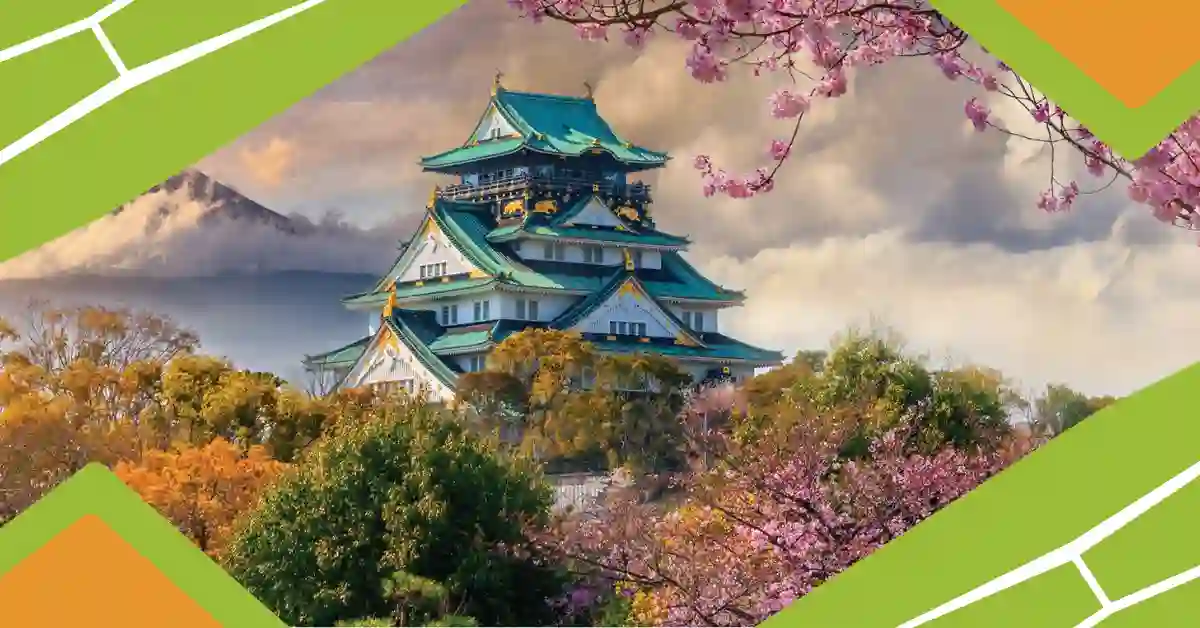
During the daytime, Osaka Castle is a must-visit landmark. Surrounded by parks and seasonal blossoms, it offers a historical perspective on the city’s samurai-era past. The castle museum inside provides insights into Japan’s feudal history, making it both educational and scenic.
If you enjoy shopping or entertainment, the Umeda and Namba districts offer modern malls, arcades, and observation decks with panoramic city views. Osaka’s charm lies in its accessibility and warmth; locals are often more outgoing, making it an easy city for first-time visitors to navigate and enjoy.
Ending your trip in Osaka ensures a satisfying conclusion, combining food, culture, and entertainment into a memorable finale.
Japan is one of the few destinations where every city feels like a completely different world, yet everything is connected by an efficient transport system that makes travel seamless. This balance is what makes a 7-day Japan Itinerary so appealing to global travelers it delivers variety without overwhelming complexity.
By the end of your journey, you will have experienced Tokyo’s futuristic skyline, Kyoto’s spiritual heritage, and Osaka’s energetic street culture. This combination creates a complete introduction to Japan’s identity, making it an ideal first trip for anyone visiting the country.
A well-planned 7-day Japan Itinerary not only helps you see the highlights but also allows you to appreciate how smoothly tradition and modern life coexist in Japan. Whether it is your first visit or the beginning of many, this route offers a strong foundation for understanding why Japan remains one of the world’s most fascinating travel destinations.
Also Read: Is Japan Expensive? Costs, Budget Tips & Travel Expenses Explained