Emotional Distance as Respect: Understanding Boundaries in Japanese Culture
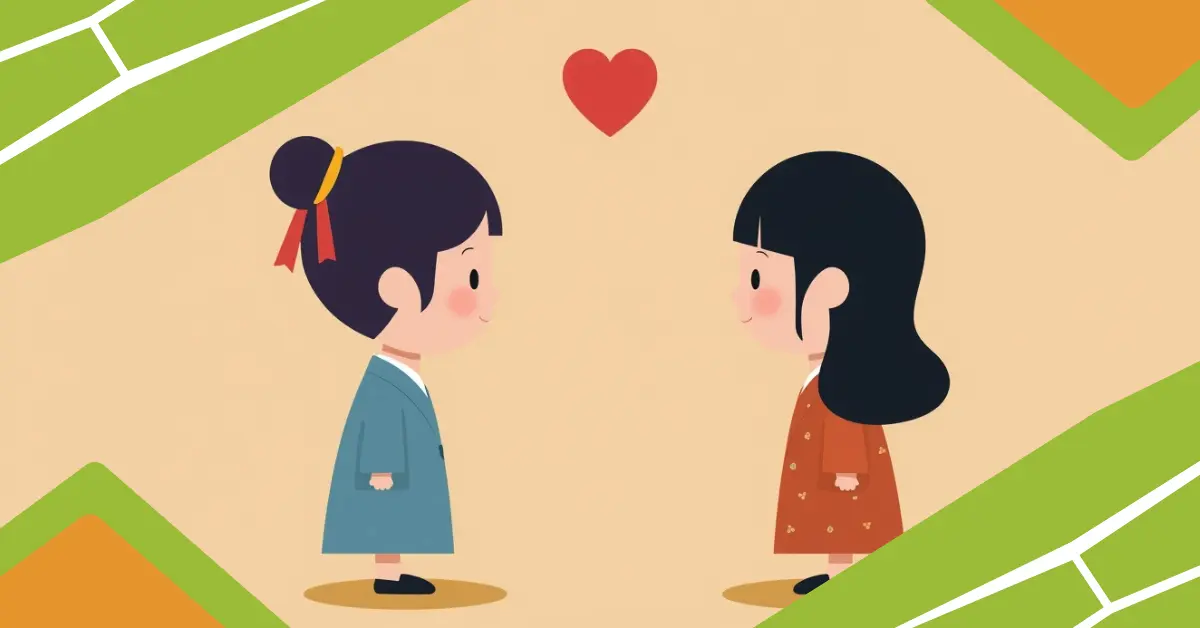
In Japanese culture, respect is often expressed in subtle ways. One of the most profound expressions is through emotional distance. Unlike cultures where closeness is a sign of trust, in Japan, maintaining measured distance conveys politeness, consideration, and respect for personal space.
Emotional distance does not mean coldness or indifference. It is a conscious practice that promotes harmony, reduces conflict, and acknowledges the individuality of others. Understanding this cultural nuance is essential for navigating both personal and professional relationships in Japan.
Cultural Roots of Emotional Distance
The idea of emotional distance in Japan is influenced by social harmony, known as wa, and the importance of group cohesion. Keeping distance helps prevent disruption, avoids imposing personal feelings, and allows relationships to develop gradually.
From childhood, Japanese people learn restraint, modesty, and discretion. Expressing intense emotions publicly, especially negative ones, can be considered inappropriate. By maintaining emotional distance, individuals show awareness of others’ comfort and boundaries.
Respect Through Non-Intrusion
Emotional distance often appears as careful observation, listening without judgment, and avoiding unnecessary interference. Colleagues may offer help only when it is requested rather than assuming someone needs it. Friends may give space during stressful times instead of offering unsolicited advice.
This approach prioritizes autonomy and demonstrates consideration. It communicates that a person’s space and independence are respected while still showing thoughtfulness.
Emotional Distance in Professional Settings
In workplaces, emotional distance is a sign of professionalism. Overly familiar behavior can be seen as presumptuous. Polite boundaries help build mutual respect and allow relationships to grow naturally.
Managers may give employees space to make decisions and learn independently, signaling trust without micromanaging. Employees respect hierarchical structures by maintaining formal behavior and avoiding overly casual interactions with superiors.
Balancing Distance and Connection
Emotional distance does not mean isolation. Japanese culture also emphasizes indirect expressions of care. Small gestures, thoughtful words, and shared rituals convey connection while respecting boundaries.
In personal relationships, distance is balanced with attentiveness and reliability. By respecting each other’s space, trust and understanding develop more deeply over time.
Emotional Distance and Personal Well-Being
Practicing emotional distance benefits mental and emotional health. It allows individuals to maintain clarity, manage energy, and avoid unnecessary conflict. Respectful boundaries create comfort and mutual acknowledgment.
This practice encourages mindfulness and self-awareness. Knowing when to engage and when to step back fosters emotional regulation and patience, leading to healthier interactions.
Lessons for Modern Life
In a fast-paced world, emotional distance can improve relationships. It teaches respect for boundaries, thoughtful communication, and the value of personal space.
Adopting this approach can benefit workplaces, friendships, and family life. It emphasizes meaningful engagement over constant interaction and demonstrates that respect can be shown quietly through consideration and space.
Conclusion: Respect Beyond Words
Emotional distance is not detachment. It is a deliberate form of respect that balances individuality with social harmony. By observing this practice, relationships can grow naturally, trust is strengthened, and interactions become more mindful.
Understanding emotional distance shows that respect is sometimes expressed quietly through patience, space, and thoughtful consideration. Embracing this principle can enhance connections and foster harmony in personal and professional life.