What Makes Japanese Daily Life So Fascinating to Foreigners? Culture Explained
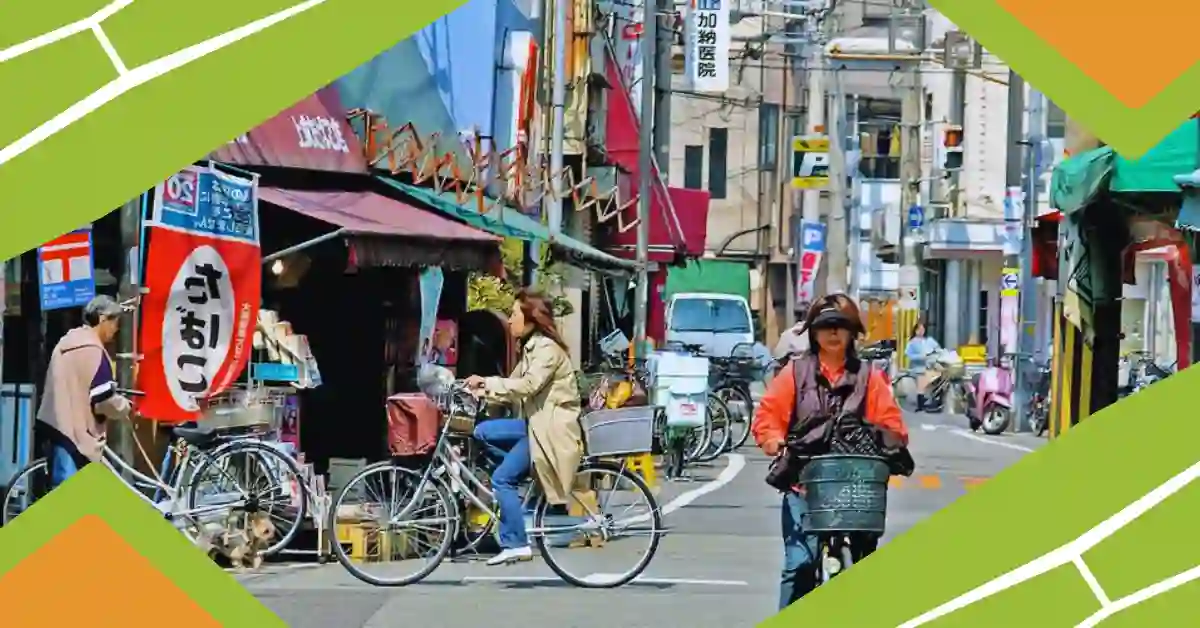
Japanese daily life is often described as a seamless blend of precision, beauty, and quiet order that surprises many first-time visitors. From the way trains arrive to the second, to the gentle politeness exchanged between strangers, everyday routines in Japan create a cultural rhythm that feels both highly efficient and deeply human. For foreigners, this contrast between the familiar and the unexpected is what makes observing life in Japan so compelling.
At first glance, cities like Tokyo and Osaka appear futuristic, filled with neon lights, towering buildings, and advanced technology. Yet just a few streets away, one can find quiet neighborhoods, traditional wooden homes, and small family-run shops that have existed for generations. This coexistence of old and new is not accidental; it is deeply rooted in Japanese cultural values that emphasize continuity, respect, and balance.
The Harmony of Tradition and Modernity in Everyday Life
One of the most fascinating aspects of life in Japan is how tradition and modernity are not in conflict but rather intertwined. Unlike many countries where modernization replaces older customs, Japan has developed a way to preserve cultural heritage while embracing innovation.
Walk through Kyoto, and you will still see geisha districts, centuries-old temples, and tea houses that follow rituals unchanged for hundreds of years. Yet even here, digital payment systems, high-speed rail access, and modern cafés are seamlessly integrated into daily routines. This coexistence creates a unique atmosphere where the past is not preserved in isolation but actively lived.
In contrast, districts like Shibuya in Tokyo demonstrate the other extreme of modern Japanese culture. The famous Shibuya Crossing is one of the busiest pedestrian intersections in the world, where hundreds of people cross simultaneously in a perfectly timed flow. Despite the chaos it appears to create, everything functions with remarkable order. This sense of controlled movement reflects a deeper cultural principle: individuality exists, but it is expressed within collective harmony.
Foreigners often find this balance intriguing because it challenges the assumption that modernization must erase tradition. Instead, Japan demonstrates that both can coexist without diminishing each other.
The Subtle Social Etiquette That Shapes Daily Interactions
Another reason people find Japanese culture captivating is the deeply embedded system of social etiquette that governs everyday behavior. In Japan, politeness is not just a formal requirement but a lived practice that shapes communication, body language, and even silence.
From bowing when greeting someone to carefully wrapping items at a convenience store, small gestures carry meaning. These behaviors are not performed for show but are rooted in the cultural value of respecting others’ space and feelings. In busy cities like Tokyo, where millions interact daily, this unspoken understanding helps maintain harmony without constant verbal communication.
Even public transportation reflects this cultural discipline. Trains are famously punctual, and passengers typically remain quiet, avoiding phone calls or loud conversations. This is not enforced through strict rules alone but through collective awareness of shared space. Visitors often notice how peaceful commuter trains feel despite being packed during rush hours.
At the same time, politeness does not mean emotional distance. In fact, hospitality in Japan often referred to as “omotenashi” emphasizes anticipating needs before they are expressed. Whether it is a shop assistant carefully packaging a purchase or a restaurant staff member refilling water without being asked, these small acts create a strong impression of care.
For foreigners, this level of attention can feel both impressive and unfamiliar. It reshapes expectations of service and social interaction, making everyday experiences feel unusually thoughtful.
Food Culture, Convenience, and Urban Living Surprises
Food plays a central role in understanding daily life in Japan. What surprises many visitors is not only the quality of cuisine but the accessibility of good food at nearly every price level. From Michelin-star restaurants to vending machines and convenience stores, food culture is deeply woven into urban life.
One of the most iconic features of Japanese cities is the convenience store, or “konbini.” These stores are open 24/7 and offer an astonishing variety of fresh meals, snacks, and essentials. Unlike convenience stores in many other countries, Japanese versions are known for their quality and consistency. A quick meal from a konbini can include rice bowls, sushi packs, sandwiches, and seasonal desserts all prepared with attention to detail.
Street-level food culture also reflects regional diversity. In Osaka, known as Japan’s kitchen, street food like takoyaki and okonomiyaki dominates casual dining. Meanwhile, Tokyo offers a more global culinary mix, blending traditional dishes with international influences. This variety ensures that eating out is not just a necessity but a daily cultural experience.
Urban living in Japan also reflects efficiency in surprising ways. Apartments in densely populated cities are often compact, yet they are designed with remarkable functionality. Every square meter is optimized for comfort and practicality. Public systems such as garbage sorting, recycling schedules, and neighborhood organization contribute to a sense of order that keeps cities remarkably clean despite high population density.
Transportation further enhances this efficiency. The railway system connects even distant regions with precision timing, allowing commuters to live far from city centers without sacrificing accessibility. This infrastructure shapes lifestyle choices and enables a level of mobility that supports both work and leisure.
Why Everyday Simplicity Feels So Unique
When looking closely at Japanese daily life, what stands out is not dramatic difference but subtle refinement. Many of the experiences that fascinate foreigners are not extraordinary events but ordinary moments executed with extraordinary care. Whether it is the quiet atmosphere of a morning train, the presentation of a meal, or the respectful tone of a casual conversation, daily routines are elevated through consistency and attention to detail.
This is why many travelers leave Japan with a sense of admiration for its everyday systems. The culture does not rely on spectacle to impress; instead, it reveals itself gradually through repetition and observation. Over time, even small interactions begin to feel meaningful.
The phrase “efficiency with elegance” is often used to describe Japan, but it only partially captures the experience. There is also warmth beneath the structure, and creativity beneath the discipline. Together, these elements create a lifestyle that feels both organized and alive.
In the end, what makes Japan particularly fascinating is not just its technology, traditions, or cities, but the way all these elements come together in ordinary life. From early morning commuters in Tokyo to quiet temple visits in Kyoto, every moment reflects a cultural system that values balance.
And for many visitors, it is precisely this balance that leaves the deepest impression an everyday world where order and beauty coexist in ways that continue to inspire curiosity long after the journey ends.
Also Read: Japan Daily Life and Etiquette: Guide to Manners and Culture