Seiyuu Culture in Japan: Inside the Rising World of Japanese Anime Voice Actors
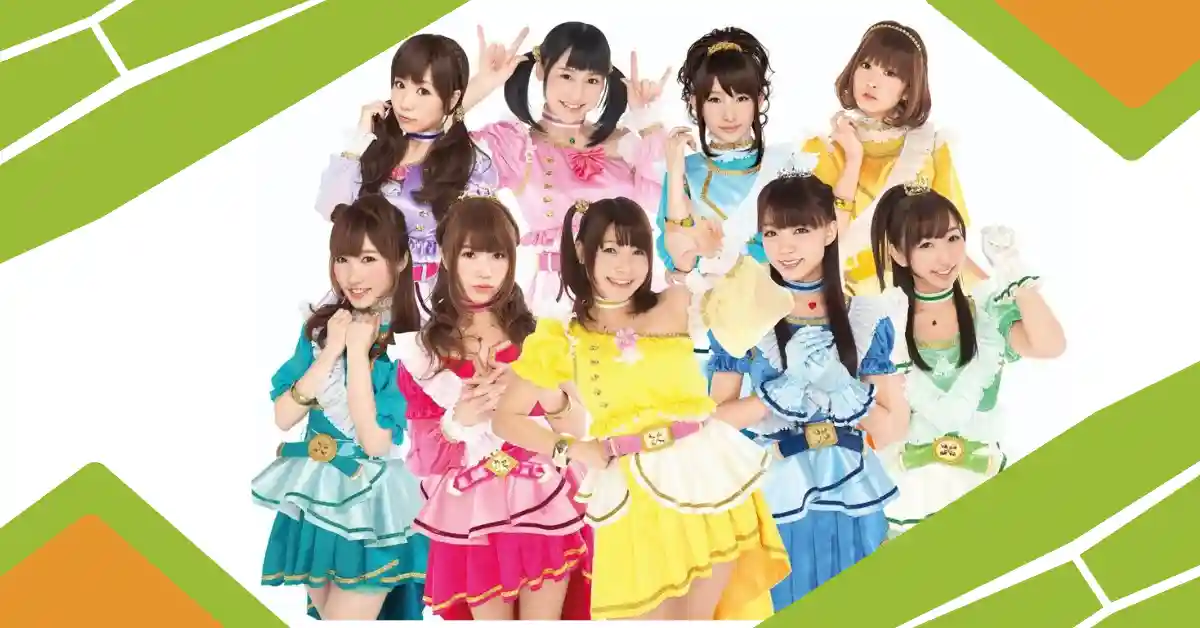
Japanese voice actors known as seiyuu are among the most influential figures in Japan’s entertainment industry. Once hidden behind microphones, these performers now stand at the heart of anime, video games, and pop culture. Today, many seiyuu enjoy celebrity status comparable to mainstream actors and musicians, attracting devoted fans around the world.
From recording studios to concert stages, the world of seiyuu blends acting, music, fan culture, and commercial marketing. This article explores the rise of seiyuu culture in Japan, how voice actors became pop icons, and why the industry continues to captivate audiences globally.
The Origins of Seiyuu in Japan
The history of Japanese voice acting stretches back to the early 20th century, long before modern anime existed. In the 1920s and 1930s, radio dramas were extremely popular in Japan. Actors performed multiple characters live on air, providing voices and narration for listeners. At the time, these performers were rarely credited or publicly recognized.
The profession began to take shape with the expansion of television in the 1950s and 1960s. When Japan started importing foreign films and television shows, voice actors were needed to dub dialogue into Japanese.
A major turning point came with the emergence of television anime such as Astro Boy in the 1960s. As anime gained popularity, audiences began noticing the voices behind their favorite characters. Later classics like Space Battleship Yamato in the 1970s helped create passionate fan communities that cared deeply about voice performances.
By the 1980s, fan magazines and conventions began highlighting voice actors themselves. What once was an invisible profession gradually became a recognized part of Japanese entertainment culture.
The Rise of Seiyuu as Pop Culture Celebrities
Today, seiyuu are far more than voice actors. Many have become multi-talented entertainers who work across music, television, live events, and digital media.
A defining example of this evolution is Nana Mizuki, one of the most successful voice actors in Japan. While known for her anime roles, she also built a powerful music career, topping Japanese music charts and performing at prestigious national events. Her success demonstrated that seiyuu could transition into the broader pop music industry.
Modern voice actors often:
- Release albums and perform live concerts
- Host radio shows or podcasts
- Appear in television variety programs
- Participate in stage plays and live readings
- Engage with fans through social media and streaming
Because of this wide range of activities, the seiyuu profession now resembles the idol industry, where performers build strong personal brands alongside their acting work.
The Unique Relationship Between Seiyuu and Their Characters
One fascinating aspect of seiyuu culture is the close connection between voice actors and the characters they portray.
Fans often associate a performer’s personality with their most famous roles. For example:
- A voice actor known for playing gentle characters may be expected to appear soft-spoken and kind during public events.
- Someone famous for energetic or comedic roles might be expected to maintain a lively personality on stage or in interviews.
This relationship can create magical moments for fans, who feel as if their favorite characters have come to life. However, it also brings pressure.
Voice actors are real people with private lives, yet some fans expect them to maintain an idealized image. Personal events such as dating or marriage sometimes spark controversy within fandoms. As a result, many seiyuu carefully balance public persona and personal identity.
How Aspiring Seiyuu Train for the Industry
Japan has developed a large network of voice acting schools and training programs designed to prepare the next generation of seiyuu.
There are two main paths into the industry.
1. Vocational Colleges
These two-year programs focus on:
- Acting techniques
- Voice projection and diction
- Microphone performance
- Script interpretation
- Singing and dancing
Students train in professional recording studios and learn skills needed for anime, video games, and dubbing.
2. Agency Training Programs
Many talent agencies operate their own training schools. Students who complete these programs may earn the chance to join the agency’s junior talent roster if they pass internal auditions.
These schools promote the dream of becoming a seiyuu, but the journey is competitive. Tuition can reach around one million yen per year, and thousands of students compete for limited opportunities.
The Skills Required to Become a Successful Seiyuu
Modern seiyuu must master far more than voice acting. The industry increasingly expects performers to become complete entertainers.
Key skills include:
Acting Ability
Voice actors must deliver convincing emotional performances while matching the timing of animated characters.
Vocal Control
Different roles require varied tones, accents, and vocal styles. Breath control is essential for long recording sessions.
Musical Talent
Many seiyuu sing character songs or perform in concerts, making vocal training crucial.
Public Communication
Radio hosting, fan events, and interviews require strong speaking skills and charisma.
Physical Performance
Live shows sometimes involve choreography and stage acting.
Because of these demands, successful seiyuu often spend years refining both artistic and performance skills.
The Competitive Reality of the Seiyuu Industry
Although the profession is glamorous on the surface, becoming a successful seiyuu is extremely difficult.
Every year, hundreds of aspiring voice actors graduate from training programs. However, the number of available roles grows much more slowly.
Industry veterans often compare the situation to a game of musical chairs:
- Many performers compete for a limited number of major roles
- New talents constantly enter the market
- Only a few achieve long-term fame
Most newcomers begin with minor roles, background voices, or small projects like drama CDs. Many also work part-time jobs while pursuing their voice acting careers.
Despite the challenges, surveys show that “seiyuu” remains one of the most popular dream jobs among Japanese children.
The Power of Seiyuu in Anime Marketing
Voice actors are not just performers they are important marketing assets.
Anime producers frequently cast popular seiyuu to attract fans. A well-known voice actor can boost:
- Blu-ray and DVD sales
- Music releases
- Merchandise purchases
- Live event attendance
Seiyuu also participate in promotional campaigns, fan meetups, and stage greetings at film premieres. Their involvement helps build emotional connections between audiences and the characters they portray.
Because of this influence, successful seiyuu often become powerful brands within the anime industry.
The Global Growth of Seiyuu Fandom
Thanks to international streaming platforms, anime audiences have expanded dramatically worldwide. As global fans increasingly watch anime in Japanese with subtitles, many have begun recognizing individual voice actors.
International anime conventions now invite seiyuu as special guests. These events allow fans from around the world to meet their favorite performers and experience live performances.
Online communities also play a major role. Fans discuss voice acting performances, follow careers across multiple anime series, and celebrate their favorite seiyuu through fan art, music covers, and social media.
The Future of Seiyuu Culture
The seiyuu industry continues to evolve as technology and entertainment trends change.
Several developments are shaping its future:
- Online streaming and digital radio programs
- International anime conventions and concerts
- Virtual performances and digital fan events
- Cross-media projects combining anime, music, and gaming
At the same time, the core of the profession remains unchanged: bringing characters to life through the power of voice and emotion.
Why Seiyuu Culture Matters
Seiyuu culture represents a unique fusion of acting, music, fandom, and storytelling. These performers give life to beloved characters and create emotional moments that resonate with audiences worldwide.
Whether recording dramatic scenes in a studio or performing in front of thousands of fans at a concert, seiyuu continue to shape the world of anime and Japanese pop culture.
For millions of fans and for aspiring voice actors who dream of standing behind the microphone this vibrant industry remains a place where imagination, talent, and dedication come together to create unforgettable stories.
Also Read: Why Japanese Variety Shows Captivate Audiences Differently from Western TV